For years, podcast advertising in the Middle East was treated the way most new media is treated: sampled, not committed to. That’s changing fast — and the data backs it up.
Advertiser demand on Next Audio’s network, the largest Arabic podcast advertising business in the world, grew 67% year-over-year between 2024 and 2025. Average campaign spend is up 30% through 2026, driven not by newcomers but by returning advertisers making bigger bets. Podcast listens across the UAE, Saudi Arabia and the wider GCC climbed 32% YoY. And ad listen-through rates, the closest thing podcast has to a skip-proof metric, are averaging close to 99% in categories like Business, Sports, Society & Culture and True Crime.
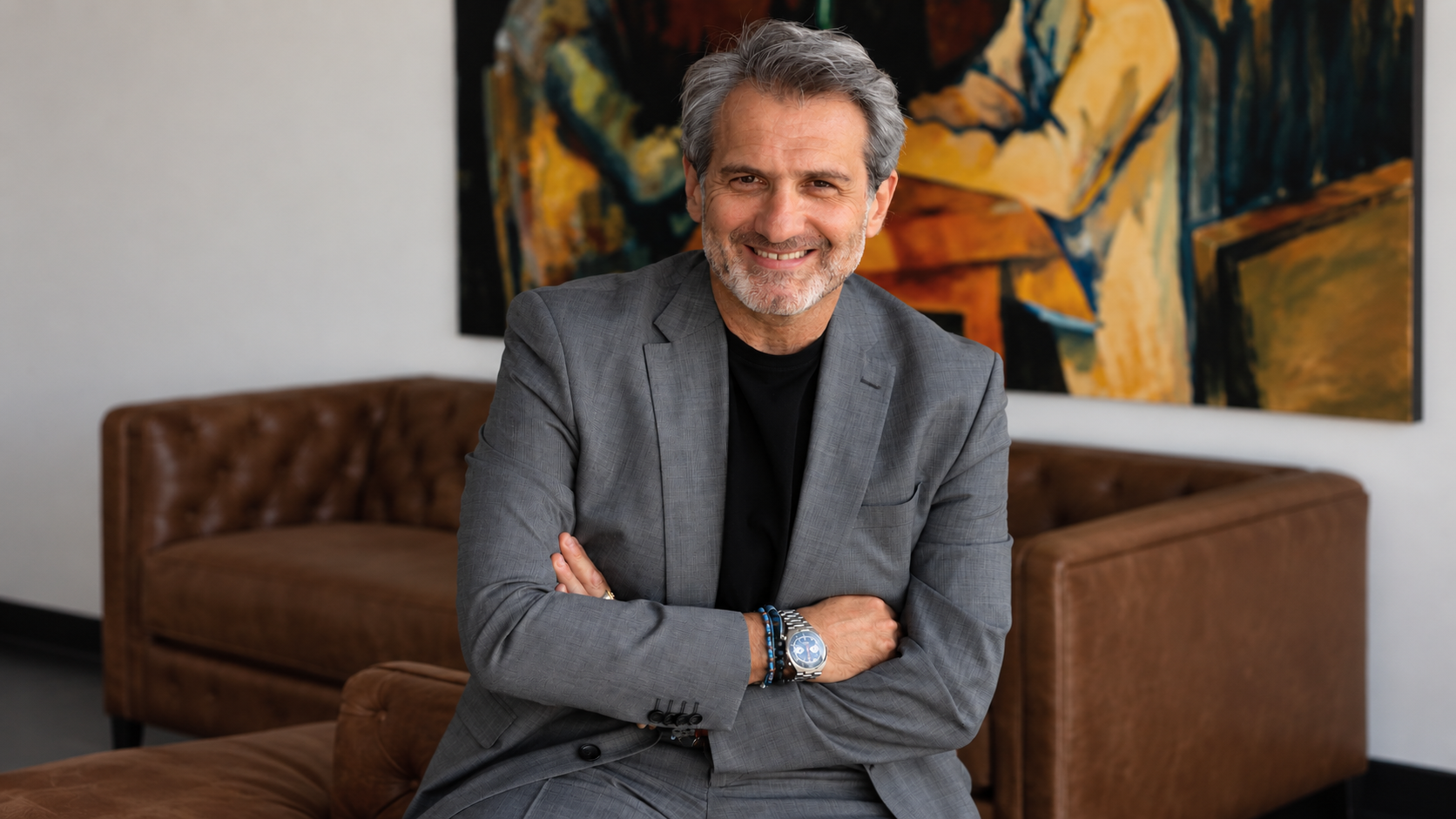
“It sits in the ecosystem,” says Patrick Samaha, Partner at Next Audio. “It’s earned its seat. It’s earned its respect and reputation.” Having worked across TV, streaming and audio, Samaha is unequivocal about where podcast now stands: “So yes, it has earned its place in core media plans.”
The problem, as Samaha tells it, isn’t proving podcast works. It’s getting the media plan to catch up to what the data already shows. That starts with not lumping podcast in with every other digital format on the brief. “Audio should be bought as audio first,” he says.
Two Countries, One Region
Any brand running a single “MENA strategy” is already behind. Next Audio’s own data shows UAE podcast consumption sits at 75% English, 25% Arabic, a share of English content that’s grown from 60% in 2023. Saudi Arabia runs almost the exact opposite: 68% Arabic, 22% English. Oman, Qatar, Bahrain and Kuwait land closer to Saudi, at roughly 70% Arabic.
That split isn’t just about language, Samaha says, it’s about who’s actually listening. “Saudi will work on an Arabic-first podcast,” he explains, pointing to how deeply content there ties into local sports, fashion and tradition. The UAE is a different animal entirely: “The UAE as a country is built on 200 nationalities,” he says — meaning a Filipino resident in Dubai is often still listening to Tagalog-language podcasts produced back home, not content made locally. “You don’t access them from content created here. You access them from content created in their first country.” As Samaha puts it more broadly: “It requires understanding of the culture, conversations, people, references and moments that matter to that audience, because in such an intimate medium a brand needs to join the conversation rather than interrupt it.”
For agencies planning a “regional” podcast buy off one deck, that’s the trap: a UAE strategy built around English-language, mainstream shows will simply miss the audience in Riyadh — and vice versa.
The Un-Skippable Ad
If display and social have taught CMOs anything, it’s to distrust attention metrics. Podcast, Samaha argues, is the rare channel where the data holds up, and he’s blunt about why click-based measurement never made sense for this format. “Clicks are a poor way to judge a medium people consume while driving, walking or working out!” he says. Independent Next Audio figures show category listen-through rates in the high 90s across the board, Business podcasts at 99.56%, True Crime at 99.62%, and regional platform Anghami recording 99.80% network-wide, among the highest of any platform Next Audio tracks.
Real-world campaigns back it up: a Saudi financial-services host-read campaign delivered a 28% lift in brand consideration alongside a 97% listen-through rate. Major UAE banking campaigns targeting high-net-worth individuals and entrepreneurs recorded 96% listen-through. Four separate real estate advertisers across UAE, KSA and the wider GCC independently landed 97–98%.
Samaha’s read on why the category is still under-tapped is blunt. “The digital audio market is already undermonetized,” he says, “because audio is, you know, usually understood as radio.” His bigger frustration is with the planning cycle itself. “Planning today is replanning,” he says. “If you don’t replan, you’re not planning, you’re just wasting time. You’re actually not investing properly.”
Gen Z Doesn’t “Tune In” But Discover
Ask Samaha what a Gen Z-first podcast strategy looks like, and he cuts straight to it: “Buy into the creator, not just the ad slot.” The rest of the answer has nothing to do with podcast apps. “Gen Z come from a way where they are social media first, podcast listener second,” he says. A clip surfaces on TikTok or Instagram often posted by someone with no connection to the show at all, it goes viral, and only then does a listener chase down the full episode. Older, “avid” listeners still search podcast platforms directly by topic or host. Gen Z gets pulled in sideways, through the creator, not the platform.
That shift is exactly why the creator economy is now inseparable from podcast strategy, and why Samaha lights up talking about Kris Fade, the longtime Virgin Radio host who recently launched his own podcast in partnership with ARN. “I feel Kris (Fade) is going to have a really good career into that. I mean, he’s an excellent host on Virgin Radio. Now he’s doing this.”
It’s a small aside in a longer conversation, but it captures the bigger trend Samaha is describing: podcast success in this region increasingly rides on personality-led launches, radio hosts, influencers and media names extending their trust into a new format, not shows built from scratch.
What CMOs Should Take From This
Samaha’s pitch to CMOs is simple, if a little pointed: “Every CMO is a podcast listener I believe, and if you are consuming the podcast, why isn’t your brand advertising on it?”
And when a client says no? “A no is not a no because they don’t want to advertise,” he says. “A no is more as a no, I’m not convinced.”
For agencies and brand leads still treating podcast as a test-budget line item, the numbers Next Audio is putting on the table, 67% demand growth, 32% listener growth, near-total ad completion — suggest the format has moved past the pilot stage. The advertisers already leaning in aren’t experimenting anymore. They’re scaling.