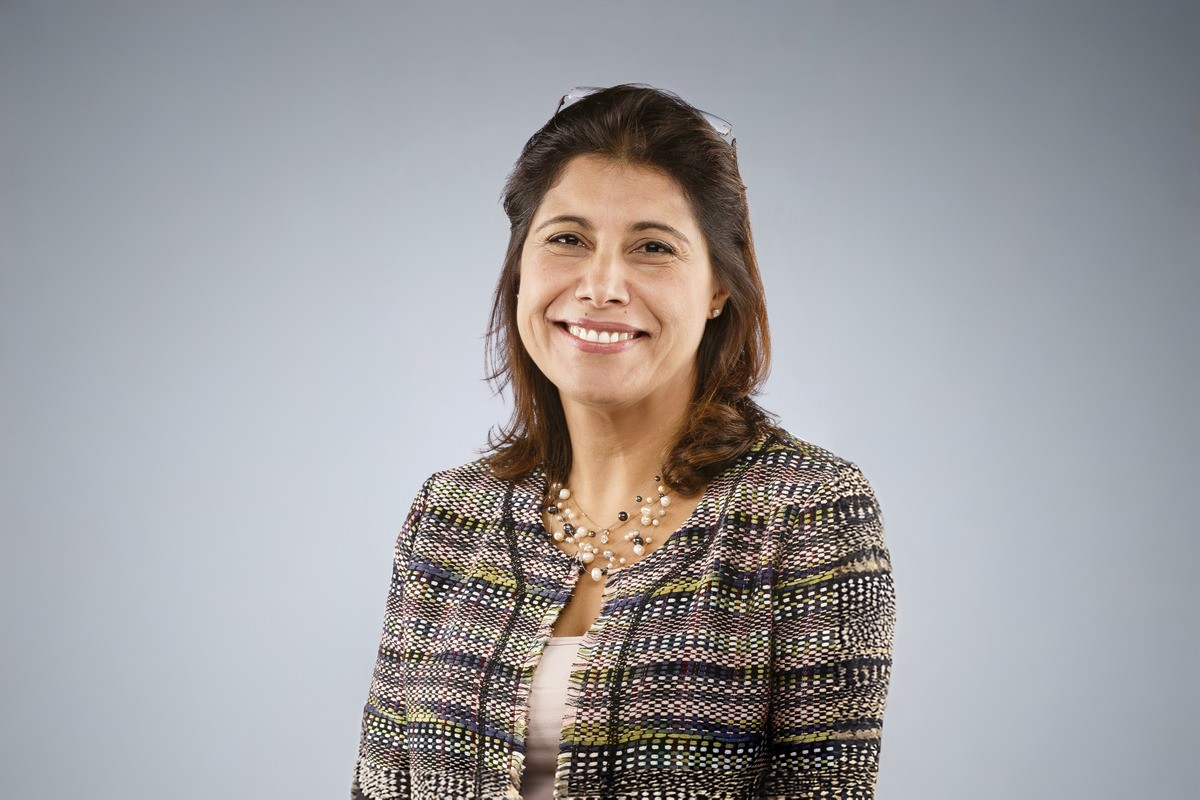
Ilhem Allagui
Recovering from geopolitical crises is both psychological and economic, affecting consumers and businesses alike.
During wartime, consumers’ sense of reality is affected and damaged. Crises disrupt normality and the way consumers think about, feel toward, and relate to brands. A 2020 study in the Journal of Consumer Research by Margaret Campbell and her colleagues, Inman, Kirmani, and Price, provided a framework for understanding the impacts of threats on consumers and marketers. They argue that threats create “ontological insecurity,” the root issue that leaves people feeling uncertain, anxious, insecure, and disoriented. When experiencing this, emotions tend to override rational decision-making. The study highlights that increased uncertainty leads people to rely more on emotions rather than reason. Brands providing rational value propositions might not resonate well with anxious consumers, eliciting different reactions than when targeting more composed consumers.
Researchers Steven Rayburn and colleagues published a 2021 study that tracked consumers longitudinally through the full arc of the COVID-19 pandemic, from the first lockdown through the lifting of restrictions. The study, published in the International Journal of Consumer Studies, found a remarkably consistent pattern: consumers move through three stages. First, fear takes over, causing panic buying and shifting consumers into survival mode. Second, the frugality stage, where consumers reduce spending and focus on essentials, is followed by the third recovery stage, a fork in the road, when confidence returns, and spending normalizes. However, consumers split into two groups: the majority revert to their previous familiar behaviors as quickly as they can. They return to their favorite brands, old routines, and pre-crisis spending patterns, including in-store shopping and eating out, and their spending returns to normal. However, a new segment of consumers would emerge, comprising a minority who maintain new habits: more frugal, more health-conscious, and more digitally native. These consumers, mostly young, become more price-sensitive and/or more activist; they advocate for boycotting brands or calling out brands they believe are siding with the wrong party in the conflict. For instance, Edelman research (2024) shows that 71% of respondents in Saudi Arabia and 57% in the UAE boycott brands they believe support the wrong side.
Recovery is not uniform and begins when consumers feel they can cope, not when the crisis ends
When consumers perceive that conditions have returned to normal, most will revert to pre-crisis behaviors and familiar spending patterns, leading to a resumption of demand and subsequent growth. However, the recovery is uneven; research indicates it is segmented, with both segments contributing to growth. One group will rebound, while the other will experience structural changes driven by emerging digital habits. Campbell and colleagues’ study outlines three recovery patterns: V-shape: a fast rebound (essentials, comfort brands); Reverse-J: a permanent decline (non-essential/luxury trade-offs); and Step-change up: new habits that last (digital adoption post-COVID, such as online delivery).
Brand equity is built before the crisis, and spent during it.
Brands that recover more quickly are those with equity established before the crisis. Kim’s research on inoculation theory, published in the Journal of Marketing Communications (2013), found that the best predictor of brand recovery is the brand’s actions prior to the crisis (the reservoir of goodwill earned and the strong relationships with consumers established before the crisis). Pre-crisis communication fosters trust, emotional connections, and resilience. Likewise, brands that stay relevant during the crisis and seize the right moment with the appropriate message will bounce back quickly.
Brand communications reveal their alignment with consumers: During peak crises, brands should avoid heavy messaging, pause campaigns, and observe. Consumers reject messages that don’t reflect reality. Additionally, brands can tailor their messaging to match the nature of their relationship with consumers, using emotional tones for close, identity-driven brands or providing clear information for transactional brands.
The brands that recover fastest are not the ones that spend most loudly after the crisis. They are the ones trusted before it, stayed honest during it, and timed their return carefully.
Research, including my own, published in the Journal of Business & Policy Research (Allagui and Ibahrine, 2014), indicates that brands maintaining a presence during crises, even with limited budgets, recover more quickly afterward. Staying visible helps sustain brand building and increases share of voice when competitors go silent. Reclaiming lost market share can cost nearly twice as much as the savings from reduced spending.
Social media is essential for recovery, but it is not sufficient on its own to deliver it
During crises, people spend more time online. They scroll more, watch more, and consume more content, but they’re also more skeptical, more cautious, and more critical of what they see; trust in social media could weaken in such times. Consumers become more passive. Their attention increases, but engagement with brands decreases. Prior research, such as Fernandes and Castro’s study published in the Journal of Marketing Management (2020), shows that during crises, consumers engage in ‘lurking behavior,’ viewing without interacting. Their attention or exposure to content does not translate into engagement, making it difficult to evaluate performance.
Research indicates that post-crisis growth relies on a mix of channels, including broad-reach channels and social media. Other emerging channels include encrypted private channels like WhatsApp or Telegram, as well as citizen journalists, diaspora voices, and influencers. Broad-reach channels help build trust and credibility, while social media enhances attention, presence, memory, and relevance. Together, these form the foundation for recovery. Brands become visible, trustworthy, and emotionally relevant.
(Ilhem Allagui is the Director of the Journalism & Strategic Communication Program at Northwestern University in Qatar)