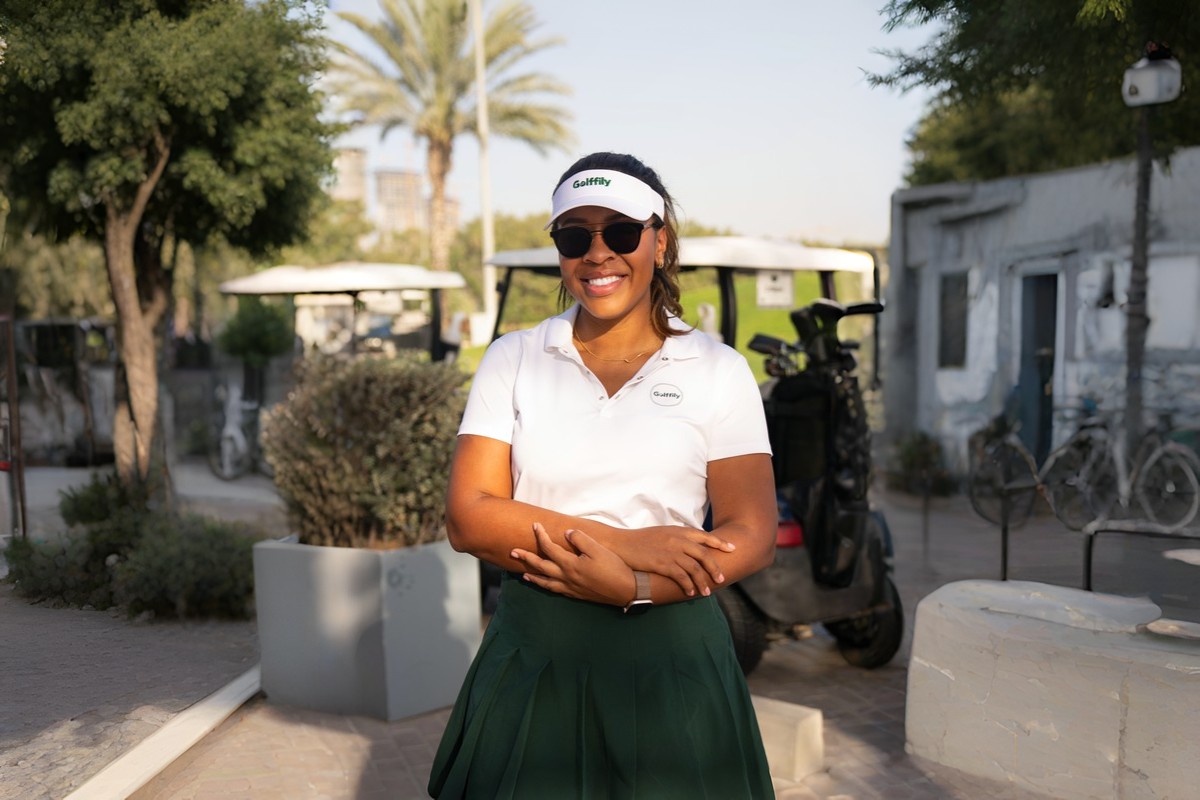
Keila Doyle
For years, the prevailing wisdom in boardrooms and agency briefs has been the same: the Gulf is a market you enter, not a place you build. A wealthy, brand-hungry audience to sell into once a product has been proven elsewhere. Building Golf Hero, a platform connecting golfers with courses and communities across the region, from the UAE has given me a front-row view of how quickly that thinking is becoming outdated. The GCC is no longer simply a destination for brands. It is becoming one of the most instructive places in the world to watch how brands are now built, tested, and scaled.
The commercial signals are hard to ignore. SMEs account for 94 percent of all businesses in the UAE and contribute over 60 percent of non-oil GDP, and the government’s National Agenda for Entrepreneurship is targeting one million SMEs and ten unicorn startups by 2031, backed by $8.7 billion in committed investment under the Projects of the 50. For the fourth consecutive year, the UAE has ranked number one globally in the Global Entrepreneurship Monitor across 56 economies. For marketers, these are not abstract economic statistics but describe a rapidly expanding population of ambitious companies that all need positioning, storytelling, and growth. This structural and enduring shift in where brand-building demand is being generated, rather than a passing moment of regional optimism.
What sits beneath this is a policy environment that changes the economics of going to market. Full foreign ownership across most sectors, long-term residency visas, zero personal income tax, and fast-track company formation mean the energy that might otherwise go into bureaucratic friction goes directly into building, and, crucially for marketers, into launching. Campaigns, partnerships, and product debuts that would take quarters to clear in more traditional markets can move in weeks. Saudi Arabia’s Vision 2030 is driving a parallel transformation, while Bahrain has quietly become one of the most progressive regulatory environments for fintech in the world. Across the Gulf, governments are actively engineering ecosystems designed to attract, retain, and scale the next generation of global brands, which means the pipeline of new companies needing world-class marketing is growing by design.
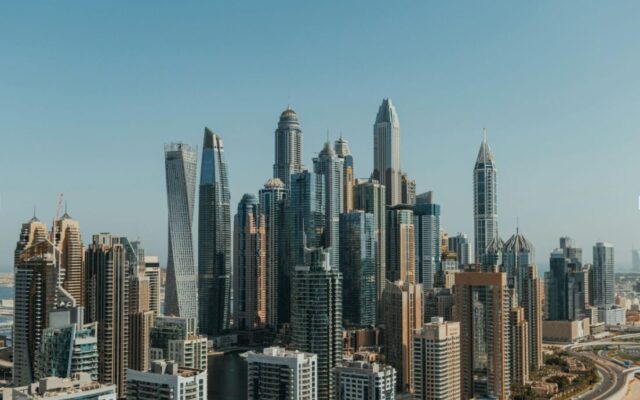
The infrastructure built around that ambition has matured into something more valuable than a list of innovation hubs. Hub71 in Abu Dhabi, Dubai Future District, and the DIFC’s FinTech Hive, alongside Saudi Arabia’s Riyadh Valley Company and NEOM and Bahrain’s FinTech Bay, now function as a connected ecosystem of investors, regulatory sandboxes, talent pipelines, and market access. For brands, platforms, and agency partnerships, the practical effect is compression. The journey from idea to market validation that takes years in more established markets can happen here in months. For Golf Hero, sitting at the intersection of sport, lifestyle, and technology, that institutional layer turned what would otherwise have been years of groundwork into a single launch cycle, and the same acceleration is available to any brand willing to build here.
Then there is the asset that founders should prize most: the consumer. Gulf audiences are younger and more digitally fluent than they are often given credit for, and they engage with new products at a speed that delivers the kind of rapid, high-quality feedback most markets simply cannot offer. In effect, the region operates as a live focus group at national scale. Add a talent pool drawn from over 190 nationalities, meaning teams that inherently think across markets, languages, and contexts from day one, and the GCC becomes a built-in multi-market testing environment. Messaging validated here has already been stress-tested for the world.
SME confidence in the UAE entered 2025 at 91 percent, with nine in ten businesses expecting revenues to hold or grow, and that optimism is compounding as more founders who built in the region choose to reinvest here. But the bigger story for marketers is what the GCC now makes possible. Brand building, product testing, and commercial validation happen simultaneously rather than sequentially. That is a fundamentally different operating model, and it is why the region is producing brands that arrive on the global stage already with a proven track record. For business leaders, the question is no longer whether the GCC belongs on the plan. It is whether you can afford to keep treating it as a market to enter, rather than the place where your next growth story gets built.
Keila Doyle is the founder of Golf Hero (formerly Golffily)