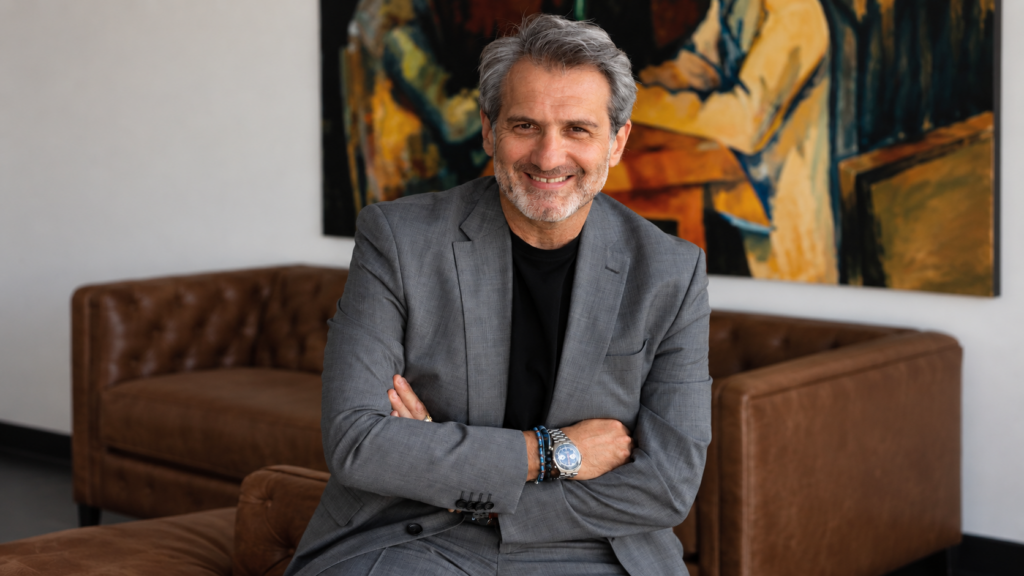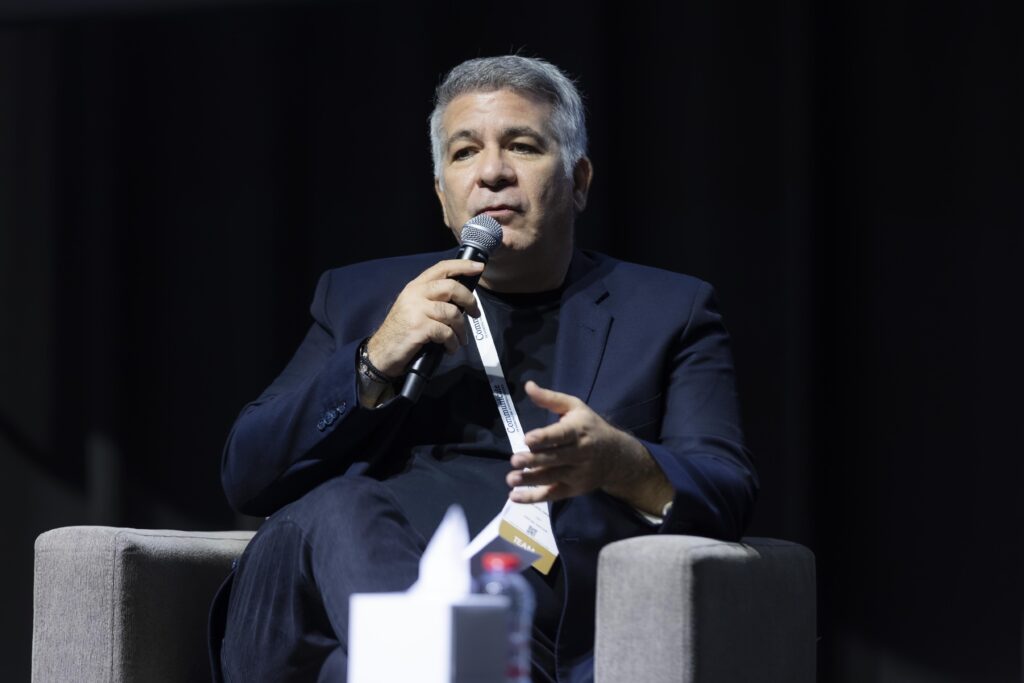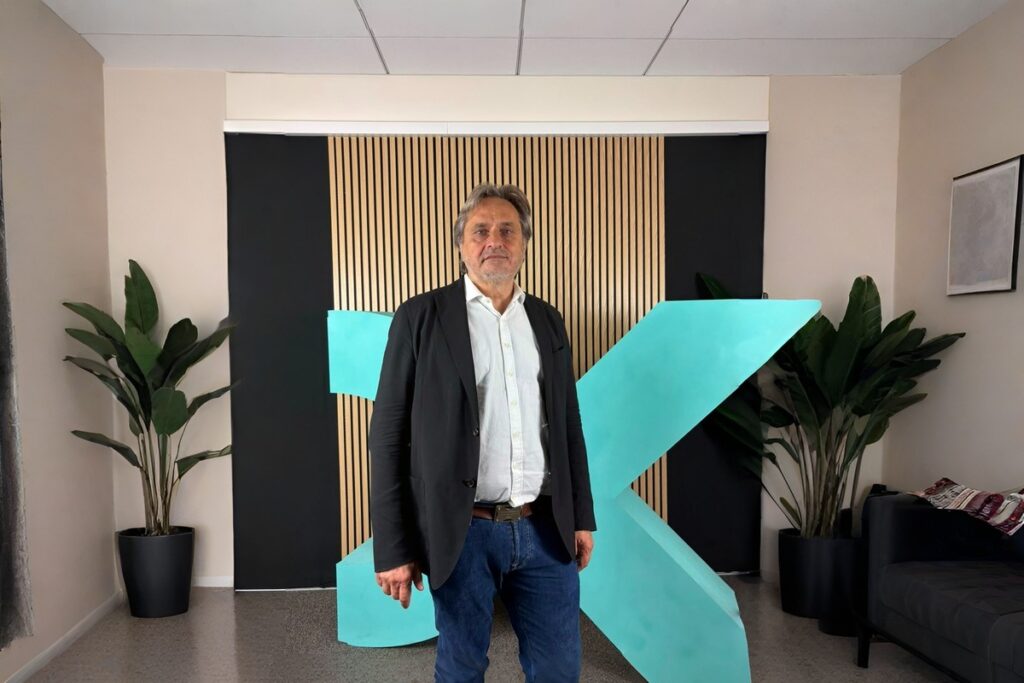
Nancy Nese Ozbek
Across the GCC, retail is undergoing a quiet but fundamental transformation. While headlines often focus on macroeconomic resilience and record tourism numbers, the real shift is happening at the consumer level—where inflation, lifestyle recalibration, and evolving expectations are reshaping how, where, and why people spend.
At Times Square Center, we see this shift not as a disruption, but as an evolution. The modern consumer is no longer simply seeking the lowest price or the most premium brand. Instead, they are actively recalibrating what “value” means in their everyday decisions. And value today is far more complex than discounts or promotions—it is a blend of convenience, experience, emotional relevance, and trust.
Inflation has changed the psychology of spending
Inflation in the GCC has not necessarily mirrored global extremes, but its ripple effect is still visible in consumer behaviour. Households are becoming more intentional. Purchases are more deliberate. Even in a market like Dubai—known for its appetite for luxury and innovation—there is a noticeable shift toward “considered consumption.”
What is emerging is a new consumer mindset: one that does not simply ask “What can I afford?” but rather “What is worth it right now?”
This subtle change is redefining retail choice. Consumers are trading impulse for planning. They are comparing not only prices but also proximity, time investment, service quality, and experience value. A retail destination is no longer competing only with another mall—it is competing with delivery apps, digital platforms, and increasingly, the comfort of staying home.
For community malls like Times Square Center, this shift presents both a challenge and a unique advantage. While large destination malls continue to attract tourism and flagship experiences, neighbourhood-based centres are becoming increasingly relevant as everyday lifestyle anchors.
Convenience is becoming the new luxury
One of the most significant behavioural shifts we are observing is the redefinition of luxury itself. Convenience—once taken for granted—is now a premium expectation.
Consumers are actively choosing to stay closer to home, not because their options are limited, but because their time has become more valuable than ever. The idea of driving across the city for a purchase is being reconsidered against a backdrop of hyperlocal availability, integrated services, and community-based retail ecosystems.
This is where community malls are quietly stepping into a powerful role.
At Times Square Center, we are seeing increasing demand for curated convenience—spaces where families can access essential retail, education, wellness, dining, and services in one environment without the cognitive overload of large-scale destinations. The value is no longer in scale; it is in simplicity.
Convenience today is not just about location. It is about frictionless living. It is about reducing decision fatigue. It is about creating spaces where consumers can accomplish multiple needs in a single, familiar visit.
Beyond discounts: what actually builds loyalty
In periods of economic uncertainty, many retailers instinctively turn to promotions and discounts as the primary tool for retention. While price incentives may drive short-term traffic, they rarely build lasting loyalty.
What we are observing instead is a stronger emotional filtering process from consumers. They are asking deeper questions: Do I trust this brand? Do I feel understood here? Does this experience make my life easier or better?
Loyalty in today’s environment is not transactional—it is experiential.
At Times Square Center, this is reflected in how our visitors engage with the space. Families return not just for retail offerings but for the familiarity of the environment. Tenants succeed not solely based on pricing strategies but on how seamlessly they integrate into the community ecosystem.
This shift reinforces an important truth for the retail industry in the GCC: loyalty is built through consistency, relevance, and human connection—not short-term incentives.
The rise of the community-centric retail model
As the retail landscape becomes more competitive and digitally influenced, community malls are experiencing a renewed relevance. They are no longer seen as secondary retail spaces, but as essential lifestyle infrastructure.
In markets like Dubai, where innovation and scale often dominate the narrative, there is a growing appreciation for grounded, accessible, and human-centred retail environments. These spaces serve a different but equally important purpose: they create belonging.
Times Square Center has always positioned itself as more than a retail destination. It is a community hub—one that integrates education, family activities, wellness, and everyday convenience with retail and dining. In a time where consumers are selectively spending, this integrated model becomes increasingly valuable.
Looking ahead: retail must earn its place in daily life
The future of retail in the GCC will not be defined by size, density, or even exclusivity. It will be defined by relevance.
Retail spaces must now earn their place in the consumer’s daily routine. This means understanding that every visit competes with digital convenience, home comfort, and time constraints. It also means accepting that the consumer is more empowered, more informed, and more selective than ever before.
Inflation may have accelerated this shift, but it has also clarified it. It has stripped retail back to its essentials: utility, experience, trust, and connection.
For community malls, this is an opportunity to lead—not by competing with mega destinations, but by redefining what meaningful, everyday retail looks like.
At Times Square Center, we see this as the future of our industry: not just a place to shop, but a place that fits into life seamlessly, intentionally, and consistently.
Because in the end, the new value consumer is not looking for more. They are looking for what matters.
(Nancy Nese Ozbek is General Manager, Sharaf Group Mall Division, overseeing Times Square Center, Dubai Jewel Tower, and Al Masa Mall, Oman)