Twitch is tearing down the wall between “Partner” and everyone else. The livestreaming platform announced today that sponsorships — long reserved for its top-tier Partners, are now open to Affiliates, instantly widening the pool of creators brands can discover, book and pay without ever leaving the platform.
The catalyst was data, not just ambition. Two recent Minecraft sponsorship campaigns found that more than half of the paid streamers involved were Affiliates, not Partners — early proof, in Twitch’s view, that brand demand for smaller creators already existed. Affiliates who accept the Sponsorship Portal terms and complete a new Creator Sponsorship Certification course will now be eligible for select campaigns matched to brand criteria, manageable end-to-end through the Sponsorship Dashboard.
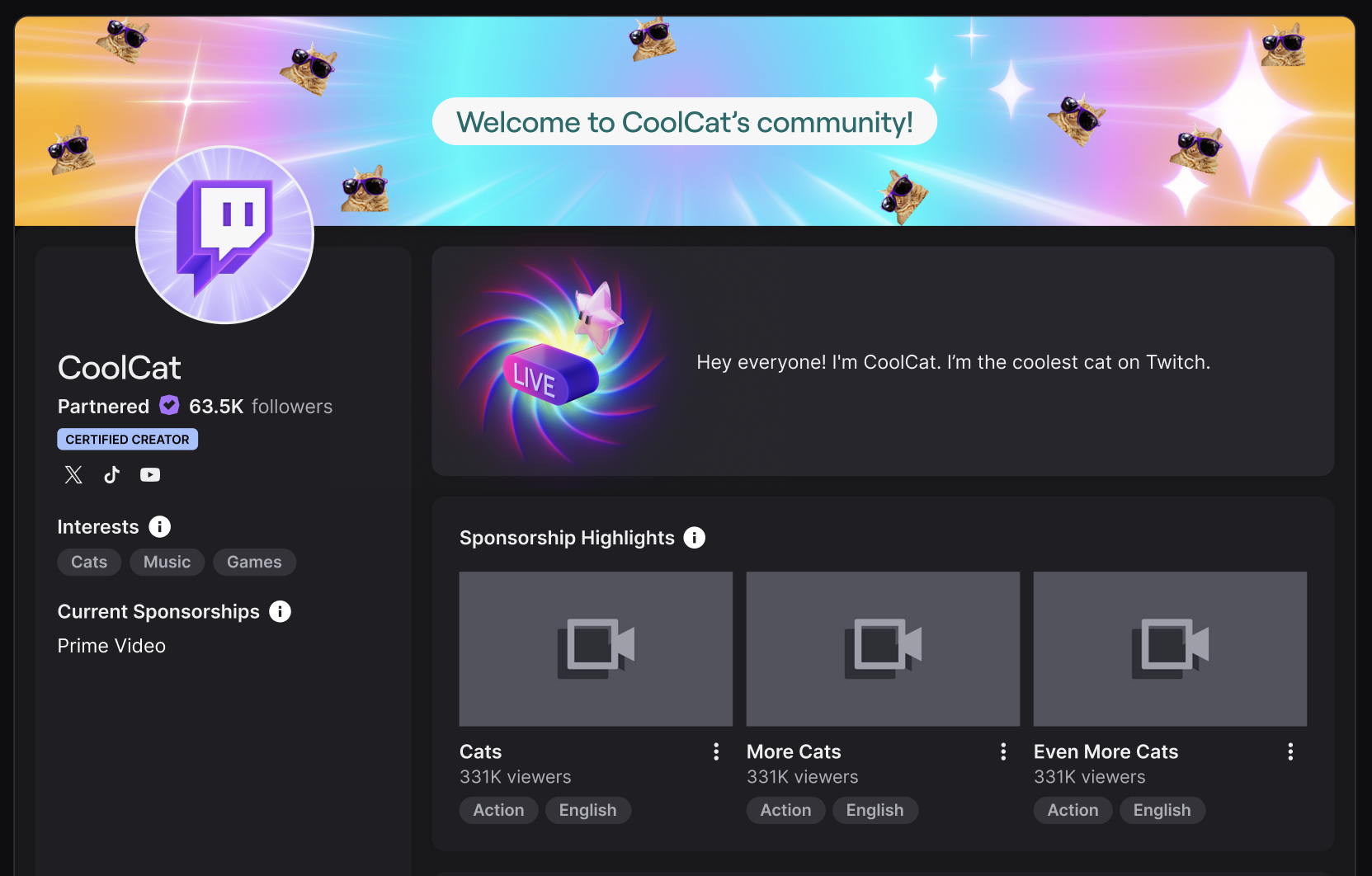
Three new tools accompany the shift. Twitch is partnering with creator marketing platform WeHype to funnel third-party campaign offers, starting with an EA push for Battlefield, directly into that dashboard. Creators can now pin sponsored-content clips to their Creator Profiles so brands can preview their style before signing off. And the certification course, hosted on Creator Camp, launches in Arabic from day one, giving Arabic-speaking Affiliates equal footing with English-speaking peers.
That regional detail isn’t an afterthought. In an exclusive interview with Communicate, Mike Minton, Twitch’s Chief Product Officer, said MENA is now home to nearly 13,000 Affiliate streamers, a number that’s climbed since Twitch lowered its Affiliate bar earlier this year as part of a “Monetization for All” push. More than 11,000 creators globally have taken part in Creator Sponsorship campaigns so far in 2026, he added.
The appeal for advertisers, Minton said, comes down to performance: Twitch’s own data shows creator-led campaigns can drive click-through rates more than 20 times higher than standard digital media ads. That gap helps explain why brands were already chasing Affiliates informally, and why Twitch decided to formalize the pipeline.
The regional numbers back up the ambition. Creators in MENA broadcast nearly 2.6 million hours of content in 2025, while viewers logged 7.3 million hours watching them. “Viewers in the Middle East support creators at rates approaching those we see in the US,” Minton said — a sign, he argued, of a real foundation for the region’s creator economy to keep scaling.
On compensation, Minton was candid that there’s no single model: some campaigns pay a flat fee, others are performance-based and tied to viewership, and some function like affiliate marketing, paying out on referrals. Brands can invite specific creators directly, let Affiliates opt into open-invite campaigns, or route offers through WeHype’s integration.
On the measurement side, the Sponsorship Dashboard already reports impressions, click-through rate, unique viewers and watch time, and Twitch recently layered in AI-powered Chat Sentiment Analysis for Channel Takeover campaigns — a way to gauge how a live audience is actually reacting to a brand, not just whether they clicked.
For brands and agencies, the upshot is straightforward: access to a far larger and more diverse slice of the creator economy, one Twitch argues converts better than traditional media buys. For Affiliates, it’s the clearest signal yet that a blue Partner badge is no longer the price of entry to getting paid by a brand.