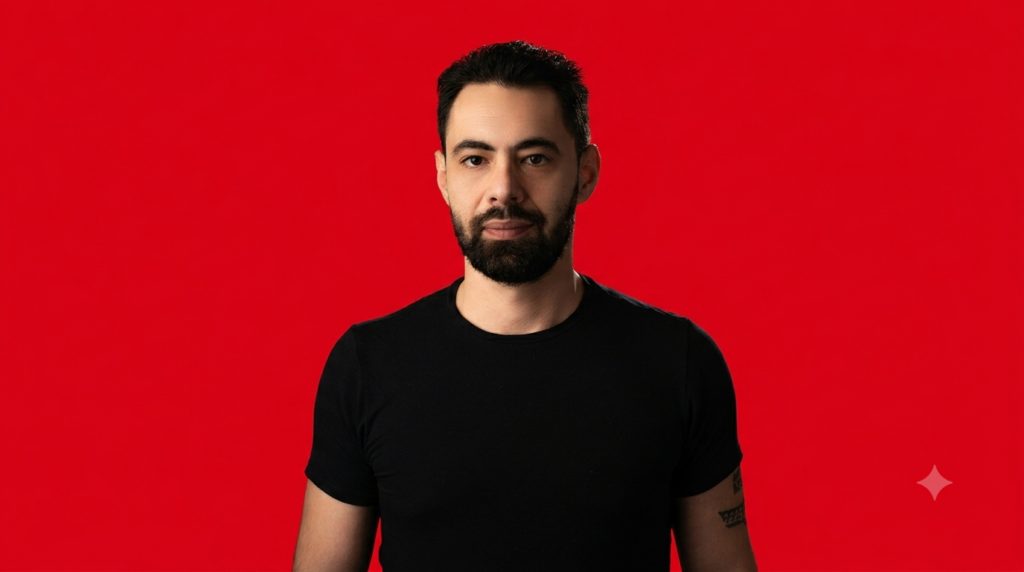
Ali Fakih has watched L’Oréal Middle East’s retail map get redrawn twice, once by disruption, once by AI. As Divisional General Manager of L’Oréal Middle East, he’s spent this year rethinking how trust gets built and where budgets need to move next. He breaks down why authenticity has become a brand’s hardest currency to earn and why CMOs still planning 2027 around the old rules are already behind.
Where are retail/e-commerce & CPG clients cutting spend, and where are they quietly increasing it?
There is no single formula or perfect equation for increasing or decreasing spend in today’s fast-paced landscape. It is all about a test-and-learn mindset, continuously adapting to the emerging ecosystem. Rather than fixed allocations, we pull back on untargeted traditional channels while increasing spend where we can measure it precisely and drive a clear return. This is especially true within the creator ecosystem, which has evolved far beyond transactional influencer marketing. We are investing more deeply in long-term creator partnerships, micro-communities, and co-creation models where authentic advocacy builds genuine consumer trust.
How is AI changing what you deliver to retail clients, and what are you still doing manually because AI isn’t good enough yet?
AI is now elevating the way we approach media by automating the heavy lifting behind the scenes. Rather than handing over fixed, static ads, we provide the essential data and creative materials, while AI takes care of real-time bidding, audience targeting, and custom ad assembly for shoppers across platforms.
What remains manual is empathy-driven brand storytelling, nuanced local cultural relevance, and high-touch creative direction. AI can analyze data patterns and optimize placement, but human intuition is still essential for building genuine emotional resonance with consumers.
What does a retail/e-commerce and CPG brand now need to prove to earn or keep consumer trust in this market?
Trust today must be earned through proof, not promises. Consumers are more informed, more skeptical, and have more ways to validate what a brand tells them – through reviews, creators, communities, friends, search, and AI. For brands, that means proving three things: that the product works, that the brand is transparent, and that the experience is consistent. Claims need credible evidence, reviews need to feel authentic, and the experience consumers see online needs to match what they receive. As AI and online platforms play a bigger role in discovery, authenticity becomes even more valuable. Consumers may use technology to make decisions, but they still want to know there is a credible brand, real product performance, and real human experience behind what they are buying. Ultimately, trust is the gap between what a brand says and what a consumer experiences, and the smaller the gap, the stronger the trust.
What’s a retail marketing assumption from before the disruption that no longer holds?
The outdated assumption is that physical and digital retail exist in separate silos – where e-commerce was treated as a digital catalog and physical stores were purely transactional endpoints. Today, that linear separation is gone. The digital storefront is the primary discovery and personalization engine, while the physical store has inverted into an immersive, experiential brand hub. They no longer compete or run in parallel; they continuously feed each other.
What should retail CMOs be preparing their 2027 budgets for that they’re not currently planning around?
CMOs must fundamentally reallocate their 2027 budgets toward Generative Engine Optimization and real-time generative content scaling. As AI agents increasingly drive discovery and make purchasing decisions on behalf of consumers, traditional search and static campaign models are becoming obsolete, requiring dedicated investment to ensure brand visibility within AI recommendations.
(This interview appeared in the October 2026 print issue of Communicate. Read more insights from industry leaders and experts in the full issue here )