The Middle East’s advertising and creative industry is witnessing a shift in its event landscape, with Saudi Arabia strengthening its position as a regional hub for creativity and marketing, even as disruption caused by the ongoing regional conflict affects established industry gatherings.
The developments have raised questions about the future of Dubai’s traditional position as a meeting point for the region’s creative industry. However, while the landscape is changing, neither Dubai Lynx nor Athar is coming to an end.
Established events adapt to regional disruption
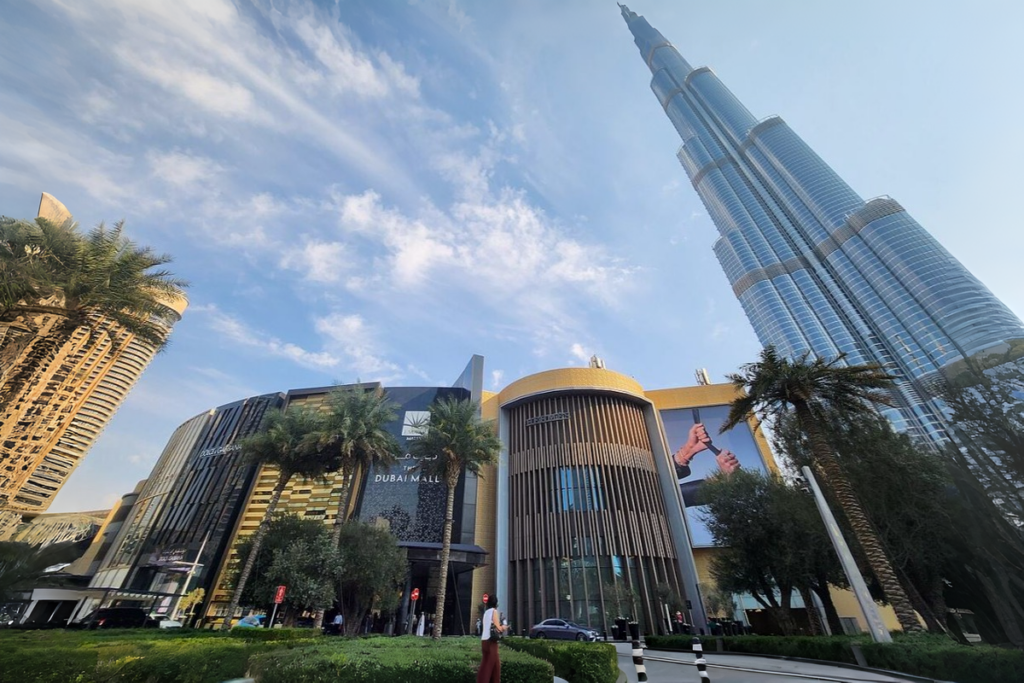
Dubai Lynx, the region’s established creative awards platform, held its 2026 ceremony in Dubai on October 8, after moving the event from its originally scheduled April date. The organisers said they had decided to move the judging and awards ceremony to October, citing the need to bring the industry together in person while continuing to monitor the regional situation.
Athar – Saudi Festival of Creativity, meanwhile, postponed its 2026 edition, originally scheduled for November 25–26 in Riyadh, to the second quarter of 2027, citing the prevailing regional situation and the safety and wellbeing of its community. The awards ceremony will also take place during the rescheduled edition, with the judging process already completed.
LIONS Riyadh signals a new phase for Saudi Arabia
The more significant development, however, is the growing institutional presence of international creative industry platforms in Saudi Arabia.
On September 16, LIONS, the organisation behind Cannes Lions, announced the launch of LIONS Riyadh, a new regional platform scheduled for December 2027. The event will be delivered by Tahaluf in partnership with Saudi Arabia’s Ministry of Media and is intended to provide the Kingdom’s creative and marketing community with access to international expertise, industry benchmarks and professional networks.
The initiative is expected to include a strategic alliance with Athar, which is run by LIONS’ partner Motivate Media Group. Importantly, LIONS has clarified that Dubai Lynx will remain its established regional awards platform and that LIONS Riyadh will not introduce a competing awards programme.
Balancing international partnerships with local institutions
However, the arrival of a major international creative platform also raises questions about how Saudi Arabia intends to balance global partnerships with the development of its own industry institutions.
Athar, launched in 2023, was the Kingdom’s first dedicated marketing and creativity festival, arriving at a time when the country had relatively few platforms bringing its marketing community together. Its development reflects the investment and effort required to build an industry ecosystem around local talent, agencies and brands. The emergence of LIONS Riyadh therefore brings into focus how established home-grown platforms can grow alongside international brands, and whether global expertise and recognition can be channelled through institutions that have already invested in developing the local market.
The question is particularly relevant given that the organisers behind Athar also run Dubai Lynx, which already has an established relationship with Cannes Lions. This creates an opportunity to examine how international partnerships can build on existing regional networks and market knowledge while preserving the distinct identity of Saudi Arabia’s creative industry.
Riyadh’s growing role in marketing effectiveness
The shift is also visible in marketing effectiveness awards. The 2026 MENA Effie Awards, which recognise campaigns for measurable marketing impact, are scheduled to take place in Riyadh on November 26, under the umbrella of Riyadh Season. The organisers expect more than 1,000 marketing and communications professionals from across the region to attend.
For the industry, these developments point to a broader redistribution of events, investment and influence rather than the disappearance of established platforms. Saudi Arabia is building the infrastructure and partnerships needed to attract international industry gatherings, while Dubai continues to host major regional creative events.
The question of sustainable creative centres
There is also a wider question about the role of home-grown institutions in this transition. Saudi Arabia has increasingly emphasised the development and promotion of its own brands, talent and creative capabilities. Building sustainable platforms that recognise local work and understand the specific needs of the Kingdom’s market is part of that effort. International events can bring global visibility, expertise and networks, but their long-term contribution will also depend on how they strengthen the ecosystem already taking shape.
The question, then, is whether the region can sustain multiple creative centres, each with its own identity and international partnerships, or whether the growing concentration of industry platforms in Saudi Arabia will gradually alter the balance of influence.
For agencies, advertisers and creative professionals, the implications go beyond where trophies are handed out. These events provide opportunities for networking, business development, talent recognition and access to international decision-makers. They also help build professional communities, create industry benchmarks and give local creative work international exposure. Where they are held, who runs them and how they are connected to global networks can influence where industry relationships and commercial opportunities develop.
The immediate story, therefore, is not the end of Dubai Lynx or Athar, but the emergence of a more competitive regional landscape in which Saudi Arabia is seeking a much larger role. The challenge will be to ensure that the arrival of international platforms complements, rather than overshadows, the home-grown institutions that helped create the Kingdom’s creative industry in the first place.