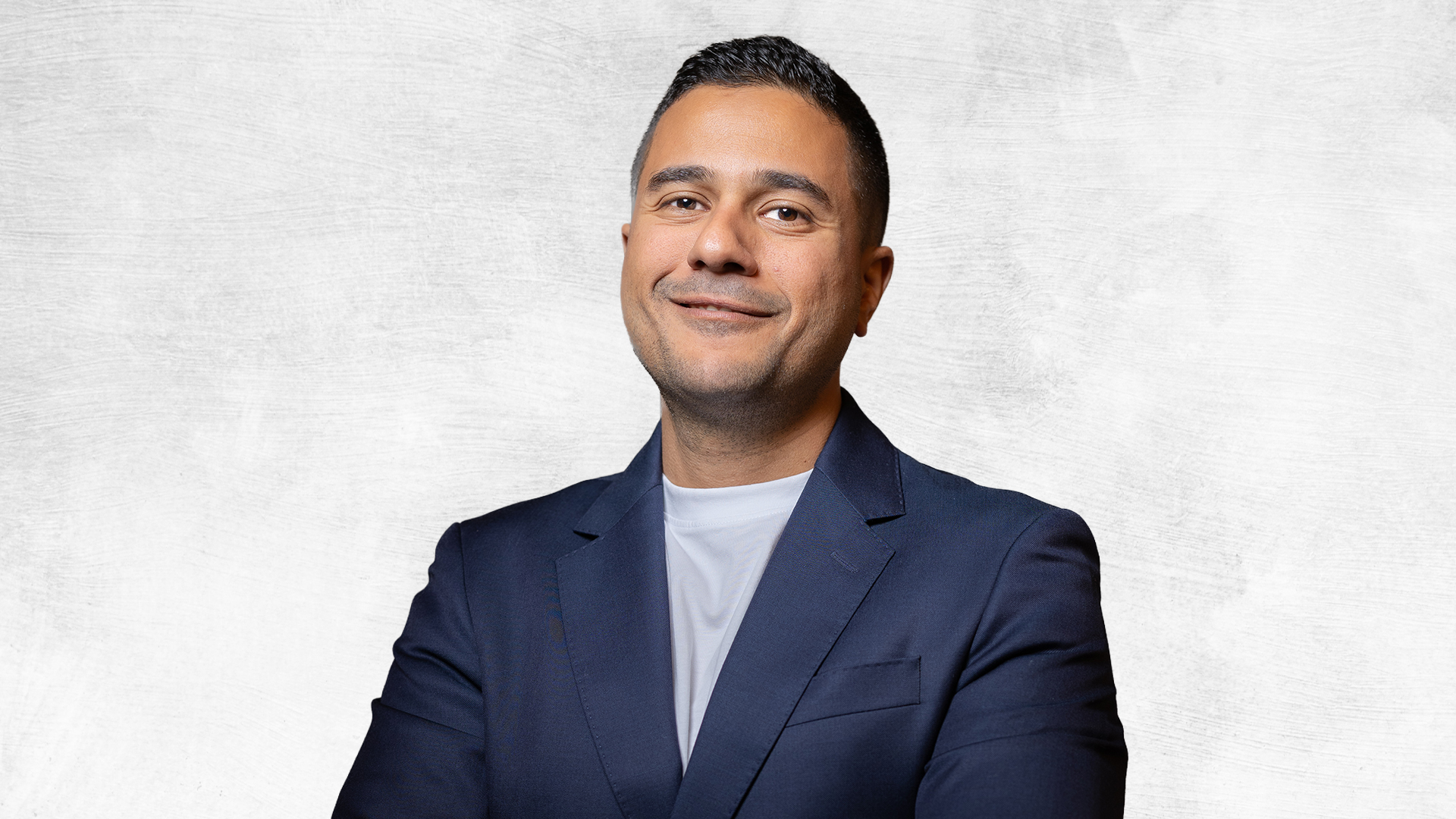
Egypt’s ad tech market is racing to catch up on AI, CTV, and retail media while still shackled by weak planning, fragmented inventory, and low transparency, argues Strike Ads Co-Founder and CEO Mohamed Ashraf, who also believes Egypt is “undervalued” and fast becoming the “India and Pakistan of the region” for digital advertising services.
From red ocean to blue ocean
Ashraf says Strike Ads was born in 2021 out of a simple insight: everyone was fighting over the same 5 percent of inventory while high-value verticals remained overlooked. “Everyone is focusing on the red ocean,” he explains, with buyers and sellers “chasing the big or the top 5 percent, which you are all in, and it’s very dominated by the big players.”
In programmatic and other key verticals, he describes “very big fragmentation” and “many players, but no one is having the big share of the pie,” especially outside social platforms and a handful of VOD giants such as Shahid. That fragmentation is what led Strike Ads to position itself as “sitting between the advertisers and the ad tech companies” as an official ad sales representative for global platforms like Gameloft, Sofascore, and Amadeus across MENA.
Gaming and travel became Strike Ads’ early focus because they were large, profitable categories with a “very, very big user base,” yet “no one is giving proper attention.” In gaming, “there is no one single window that you can approach to reach the big users and have proper audience insights, segmentation, detailed reporting, and funnel attribution,” while in travel, Egypt’s Ministry of Tourism was still spending on “all Google and Meta, some TikTok,” skipping OTAs like Booking.com, Skyscanner, and Amadeus.
Funnels in silos and the planning gap
Ashraf’s sharpest criticism is reserved for how campaigns are still conceived and measured in the region. The industry “is very played in silos,” he says, where “you have the upper funnel and you stop, and then you have the middle funnel and you stop, and finally the lower funnel,” with briefs often “targeting only one part of the funnel and totally ignoring the other ones.”
“Planning is very, very weakly treated here in the region,” he argues, calling this the truly “broken part” of the ad tech ecosystem. He describes Ramadan as the emblematic symptom of a market still obsessed with “putting your big logo on that big screen” in a “buying game,” when the real shift has to be toward “a planning game” focused on adding value to clients through actual reach and outcomes.
The post-campaign phase is not much better, in his view. “When it comes after you finish your campaign and find a report and analysis and the right attribution models, I guess we lack it big time,” he says, noting that this is why “the next plan is always planned as the one before, as the one before.” He sees third-party ad tech for fraud, viewability, and measurable outcomes as critical to “fix the whole situation,” pointing to attention-based metrics like those championed by Lumen as examples of how a single metric can reset industry expectations once it is “on the table.”
AI pressure from clients, not vendors
If anything is forcing change, Ashraf says, it is client demand for measurable ROI. “Clients now are starting to be much aware of this point, and they are working their plans now seeking at least more than awareness,” he notes, with advertisers increasingly asking for “sales, orders, installs,” and “the impact of many channels.”
This push is nudging publishers and platforms to “utilize the AI capabilities, especially in the targeting and segmentation,” often via “plugins and add-ons” on top of existing programmatic tech. Ashraf is already seeing an “AI layer for segmentation, for analyzing the reports, for doing the links we were talking about across the funnel,” with e-commerce leading because it is “very sales-driven.”
Influencer marketing is also shifting from pure awareness to performance. “It was pure awareness and sending the message and full stop,” he says, but now brands are “pushing hard to get actual results” and “starting segmenting the influencers,” separating those who deliver virality from micro-influencers “who actually move the needle and push the sales.” He cites platforms on the affiliate and influencer side that are already “doing a good job” catering to lower-funnel metrics, with publishers moving “beyond impressions” into attention, traffic, and on-site actions.
CTV, DOOH and retail media on the rise
On channels, Ashraf sees a region in fast transition but still searching for models. “CTV, of course, is a buzzword now in the market, especially in Dubai,” with many networks “trying to bundle and package” curated premium inventory, but he calls CTV “a question that is not answered till now,” even as “video is the name of the game on every mega platform.”
Digital out-of-home is further along, especially in Egypt. Landing in Cairo, he says, used to mean a journey through “big billboards and big magazines that you’re walking through,” but now “it’s all shifting to screens, like dramatically,” to the point where “sometimes when the light is down… and they are keeping the ads, it’s as if you’re in a stadium.” For traditional OOH owners, he sees “a very big opportunity” as DV360 and other programmatic pipes make it possible for DOOH inventory to “be bought from any other country.”
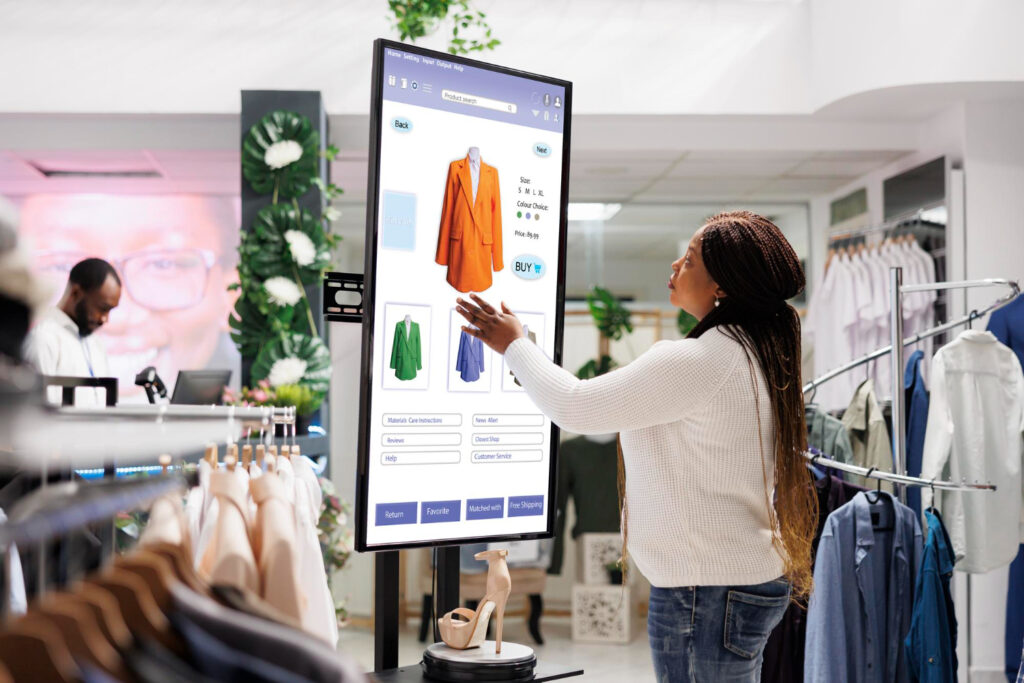
Retail media is another rising frontier, powered by quick commerce apps. Ashraf says “each and every quarter or half of the year, you will find a big player that is joining the market and taking from the share,” especially in groceries and small electronics, with each new entrant “opening for the advertisers much bigger opportunity for a focused and segmented audience.” Global consolidation groups are already in-market “asking about the retail media scene in Egypt” and how to “approach the big retailers and start utilizing their inventory and their user base.”
All of this is pushing the market away from mass reach to specialization. “It will become very specialized rather than like mass shooting and mass targeting as before,” Ashraf predicts, with data being used to “utilize each and every vertical… from out-of-home to programmatic to CTV on getting the right audience for this specific vertical.”
Transparency, consolidation and Egypt’s “undervalued” role
For all the talk of tech, Ashraf believes transparency is still in its infancy. He prefers to frame fraud as “transparency as the soft word for it,” and laments that “no one is digging deeper on that.” He points to the recent Trade Desk controversy as an example of how global debates barely ripple in MENA: “It’s one news you see on LinkedIn feed and people scroll, and this has to stop.”
He argues that clients should “react,” “get your agency and see your plans and start asking,” and calls for stronger measurement frameworks from advertising bodies like the IAB and national bureaus so that “we all sit on the same table and there are same measures and guidelines.” Without that, he warns, “walled gardens and CPMs without knowing what’s inside” risk stuffing plans with “at least 50–60% of bad inventory in between.”
Market structure is another constraint. Ashraf notes that today “the market is geared towards the big players,” naming regional giants such as SMC, MMS, DMS, and PromoFix as controlling most of the major verticals, with traditional OOH and VOD owners dominating DOOH and CTV. “This is the era of consolidation,” he says, predicting “big news on consolidation everywhere” and warning that “whenever a good local is emerging… it will be consolidated right away by one of the big two or three in the region.”
Yet within this consolidation, he sees Egypt as a major, still underpriced asset. “It’s a very big market, a standalone one,” he says, not “a subsidiary in the GCC like Kuwait or Bahrain,” and increasingly a regional hub as groups like Coca-Cola and Unilever centralize North Africa operations in Cairo. Because of the economic situation and currency devaluation, he argues, Egypt is “becoming the India and Pakistan of the region,” with “very bright minds” serving the Middle East in the same language, similar time zones, and with English and French as second languages.
For now, this shows up more as “cost center” value than topline revenue, with big agencies and supply-side players focusing hiring and operations hubs in Egypt “instead of Lebanon before, and Pakistan and other countries.” But Ashraf is clear that the market is “undervalued” and “on the rise to have its own fair share,” especially if it can close the planning, measurement, and transparency gaps that still hold MENA ad tech back from truly global competitiveness.