Remember the days when LinkedIn was simply a recruitment platform? That perception is quickly becoming outdated.
The platform has now evolved into a creator ecosystem where founders, executives, scientists, and niche experts are building audiences once reserved for influencers and media personalities.
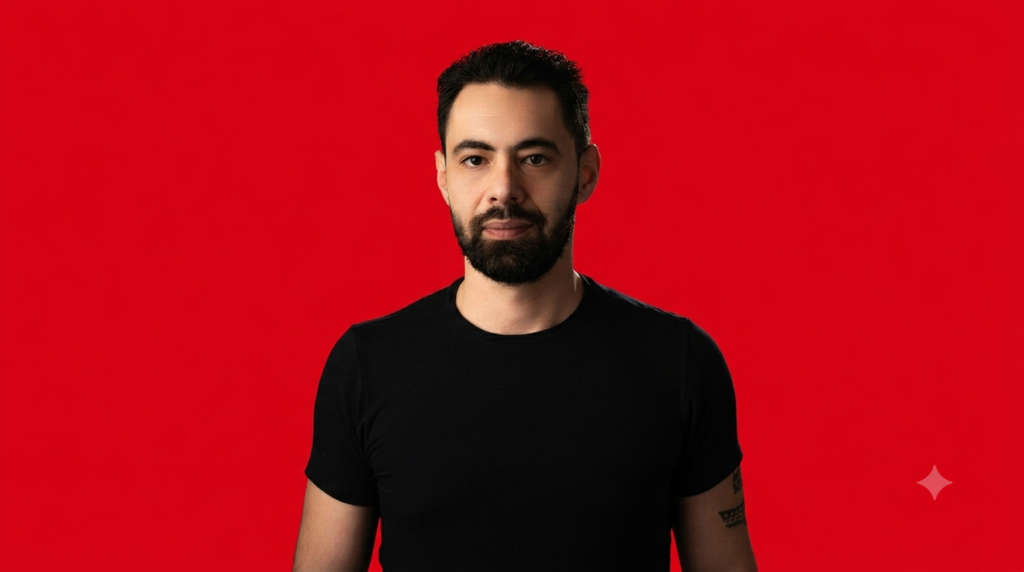
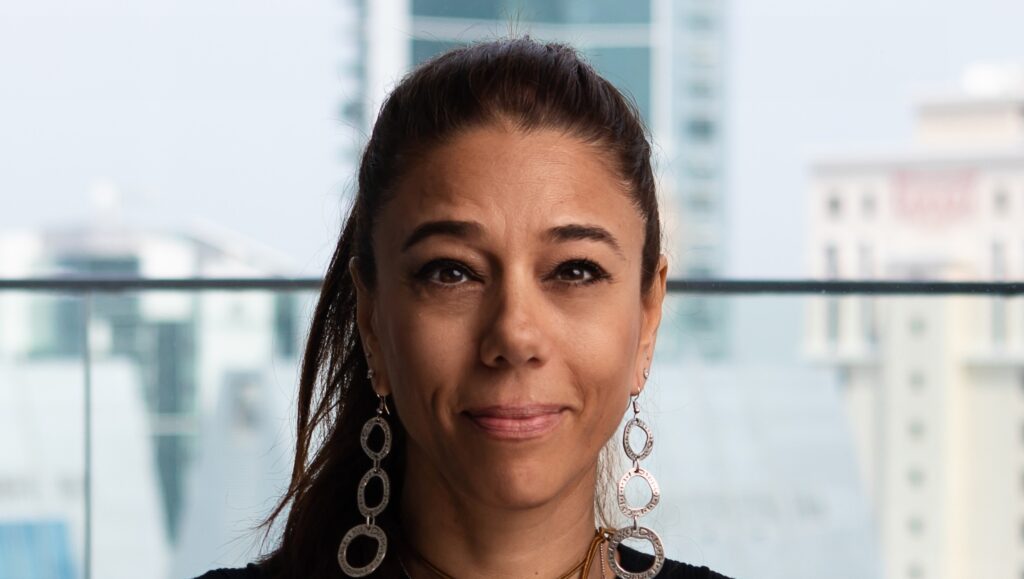
During the OMR Festival in Hamburg, Communicate spoke with Christina Wenninger and Tim Vito Villabruna, account managers at LinkedIn. They shared insights on the platform’s transformation, the rise of “authority creators,” and the trends professionals should follow to increase professional visibility online.
The Rise of Authority Creators
While LinkedIn was traditionally dominated by recruiters and corporate updates, it is now witnessing the rise of what LinkedIn internally sees as “authority creators.”
“Creators are becoming extremely important at the moment at LinkedIn, since our audience is very used to video content and creator culture,” Christina Wenninger said. “In response, CEOs, founders, finance executives, researchers, and niche experts are using the platform to build loyal communities around expertise.”
According to LinkedIn, this trend is not limited to one sector. Finance leaders, manufacturing executives, startup founders, and science communicators are all gaining traction on the platform.
Interestingly, some of the fastest-growing niches for LinkedIn content are psychology, neuroscience, interview-led content, and educational storytelling.
The success of such niches reflects a broader evolution in how authority is consumed online. Today’s audiences want direct access to perspectives and prioritize “meeting” the personalities behind businesses and industries.
LinkedIn’s Shift Toward Video
As younger generations enter both the workforce and the platform, LinkedIn is adapting to changing digital habits. Video formats, once considered secondary on the platform, are becoming a strategic priority.
“Videos generate up to five times more shares than other content types, since Gen Z audiences increasingly expect dynamic, creator-style formats similar to those dominating other social media platforms,” Tim Vito Villabruna explained.
The representative also highlighted the continued success of carousel-based educational posts and document storytelling, particularly in organic content strategies.
In short, storytelling, personality, and audience-building have become just as important as résumés and job titles.
The Death of Repost Culture
Despite the creator boom, many professionals still misunderstand what performs well on the platform.
One of the biggest mistakes, according to both representatives, is passive reposting without adding original insight or perspective.
“If the CEO posts something, don’t just repost it,” Wenninger said. “Write your own thoughts, summarize them in your own words, add your own picture and perspective.”
Moreover, the LinkedIn representatives repeatedly warned against overreliance on AI-generated content that lacks personality or substance.
“Please don’t let AI completely write your text and pictures,” Villabruna added. “Be yourself. Get inspired by AI, but keep your own voice.”
The warning comes as users are expressing growing fatigue with polished but interchangeable AI-generated content.
The Middle East’s Growing Influence
While LinkedIn operates globally, the company acknowledged that regional differences remain crucial in building content strategies. According to Christina Wenninger, localization and cultural nuance now play a major role in how audiences consume professional content across Europe and the Middle East.
“There is a lot of opportunity in the Middle East,” she said. “There are fast-growing companies where Europeans can also learn a lot from.”
The platform is seeing rising interest in Middle Eastern startup ecosystems, finance sectors, and scale-up culture, particularly as Gulf economies continue positioning themselves as global innovation hubs.
According to Wenninger, for European professionals, the Gulf is now a center of gravity for business, investment, and entrepreneurship trends, with cities like Riyadh, Dubai, and Doha becoming central players in technology, startups, e-sports, and future industries.
AI and the Future of Professional Identity
One cannot mention future trends without mentioning artificial intelligence. The technology has transformed how professionals build careers, search for jobs, and position themselves online.
LinkedIn, which operates under the Microsoft ecosystem, is rapidly integrating AI-driven recruitment and talent-matching tools into the platform.
“AI-related jobs are among the fastest-growing categories globally, reflecting wider changes across communications, technology, and corporate hiring,” Wenninger said.
At the same time, AI is also changing how professionals present themselves publicly. The challenge, however, is balancing efficiency with authenticity.
With AI-generated content flooding digital platforms, LinkedIn’s advice for human creators remains relatively simple: stay consistent, focus on one niche, and engage actively with audiences rather than chasing trends across multiple topics.
In many ways, the platform’s evolution reflects the idea that genuine authenticity will become even more valuable in the future of work and content creation.