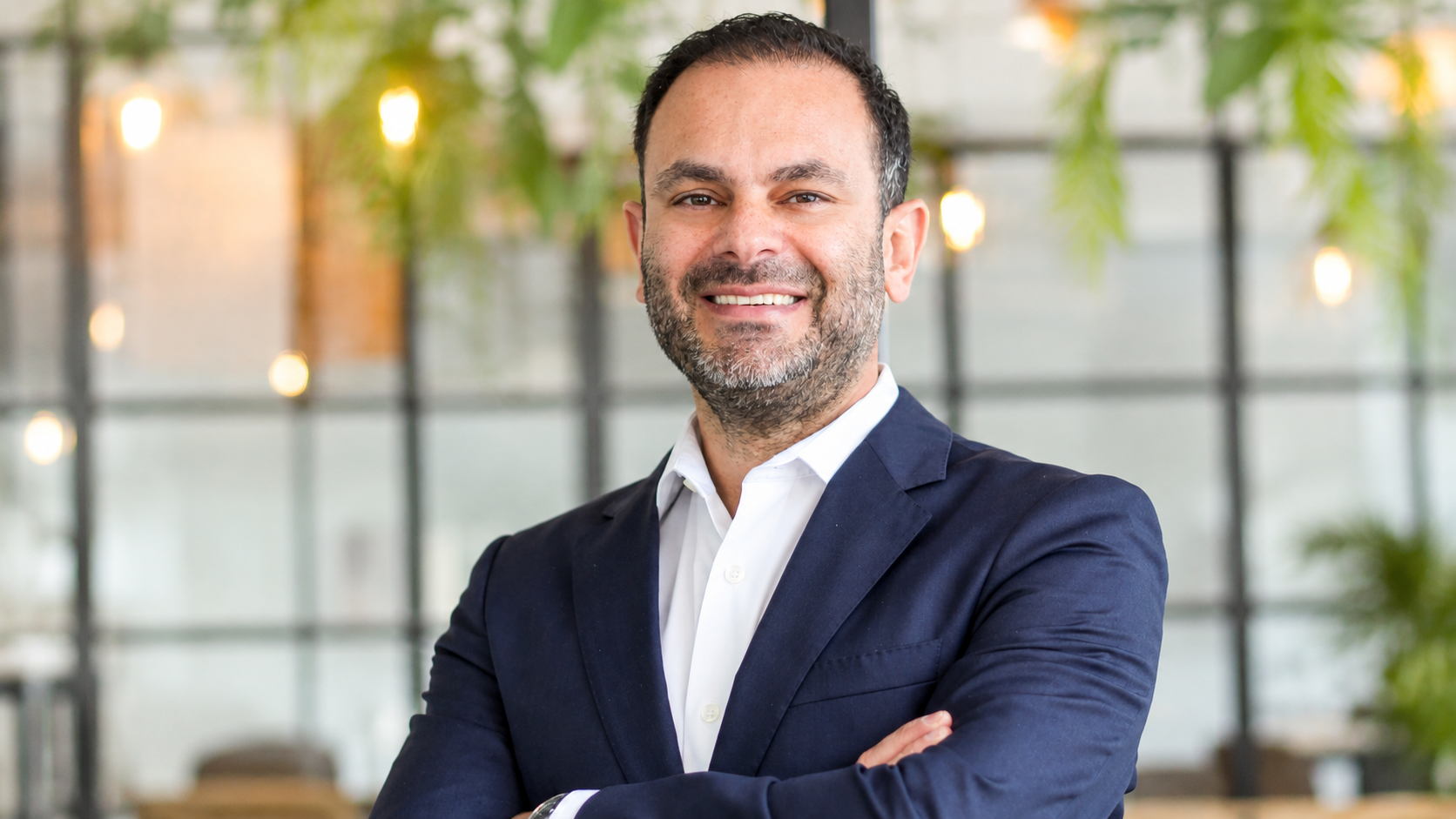
Five years ago, Amer El Hajj, CEO of WPP Media MENA, was building media plans and sharing them with clients’ marketing departments. Today, he tells Communicate, he is sitting with the people responsible for business growth, answering directly to CFOs and CEOs.
“Leaders are no longer asking ‘what will this campaign do’. Instead, they ask ‘what will this do to my business.’ I am personally energised by this shift and lean into the opportunity to partner with clients to drive performance and accelerate growth.”
The definition of trust has undeniably metamorphosed with this acknowledgment of agency impact.
Clients, El Hajj argues, now expect agencies in the room before the brief exists, sharing responsibility for the outcome: “Relationships and years of working together are still important, but so are data, results and an agency’s ability to understand the client’s business beyond the campaign in front of them.”
AI is only as good as the people running it
If agencies are being asked to solve bigger business problems, the technology available to them is expanding just as quickly. El Hajj points to AI, data, integration and performance as forces reshaping the work, but reveals an element some may overlook:
“In our region, too many aren’t developing their talent. AI, data, integration and performance are only as good as the people running them. You can buy technology overnight, but with talent, it’s different. You must nurture it.”
He expects AI to touch almost every part of the industry.
“Eventually everything will be transformed by AI, be it in small ways or considerable ways. But nothing without human supervision, human involvement, and the right talent behind it.”
The first impact of AI on the workforce is tangible.
“The work that’s changing fastest is the high-volume, repetitive work: adaptation, media optimisation, content editing, search, the analysis layer of data, and more.”
WPP Open, the group’s AI-powered operating platform, supports that kind of work across research, creative, media and measurement. But El Hajj draws a clear line around what is difficult to automate.
“What remains distinctly human are the relationships we build and the judgments we make. The strategic leap or creative idea that wasn’t in the data, the trust you build with a client in person… None of those things can be replicated by a machine.”
In MENA, he highlights another element driven by human expertise: cultural understanding. “The difference between content that connects or distances is human, local, and Arabic-first. No machine model has earned that judgment yet.”
What will clients still pay agencies for?
AI is giving brands access to capabilities that once required agency resources. So what remains worth paying a premium for?
For El Hajj, clients want an agency that clearly understands and can help grow their business: “That involves strategy, measurement that proves an outcome, creative that works, knowing how to direct AI to a real result, and commerce and retail media expertise.”
The mechanics, however, are more vulnerable.
“What gets commoditized is the mechanics: basic production, routine buying, community management, reporting.”
For smaller clients, WPP Open Pro offers a self-serve route for some of that work. For larger ones, El Hajj sees the agency’s defensible value elsewhere: “For larger clients, the value we add is the judgment and the craft we add around any task.”
If the work changes, so must the price
If repetitive work is being compressed and clients pay agencies for judgment and outcomes, El Hajj believes the commercial model has to catch up.
“The transition from a people-and-time billable model to an outcomes-delivered model must come first. The order is simple: pricing first, then talent, then roles, then structure.”
For El Hajj, once you change the pricing, everything else follows.
“Once you charge for the value and the result instead of the time, roles change, the team becomes even more expert and strategic, and therefore the conversation with the client changes.”
Some clients already think in terms of outcomes, El Hajj says, while others remain accustomed to treating agencies as suppliers against an hourly rate card.
Over the past year, El Hajj says WPP Media has indeed won new business on outcome-based terms rather than the traditional hourly model.
“It works, and clients who move with us don’t look back.”
Everyone will have the engine
So, how is WPP Media MENA building an agency model where technology is more and more accessible?
“We’re investing at the premium end of data, measurement, and the ongoing training and development of our team, so they can use WPP Open to industrialise the repetitive work, and spend their time where clients see tangible value.”
El Hajj points to three elements behind WPP Media’s approach: the data feeding its technology, the people operating it and the trust surrounding the client relationship.
“The same tool in better hands gives a superior result. The skill is in directing the machine, not just having access to it. Very soon, everyone will have the engine. But not everyone will have the fuel, the people to drive it, or the road to drive it on.”
That expertise is a key differentiator.
For El Hajj, the agency of the next five years starts with people capable of getting more from the technology around them.
As execution becomes easier to automate, the premium moves towards judgment, cultural understanding, strategy and the ability to connect media investment to an outcome that will convince a CEO or CFO.