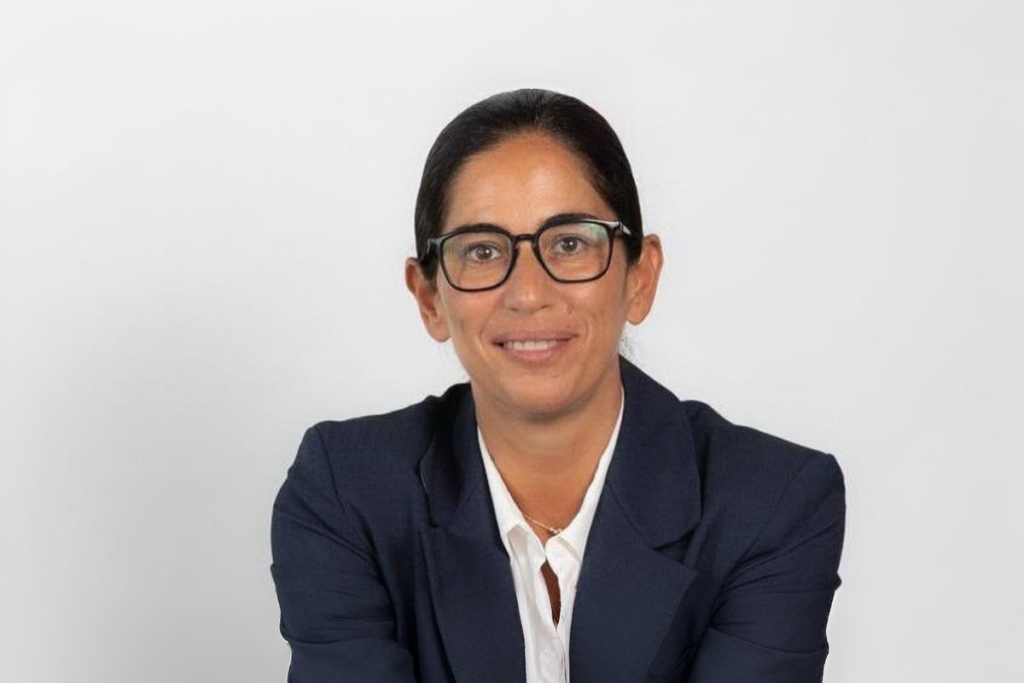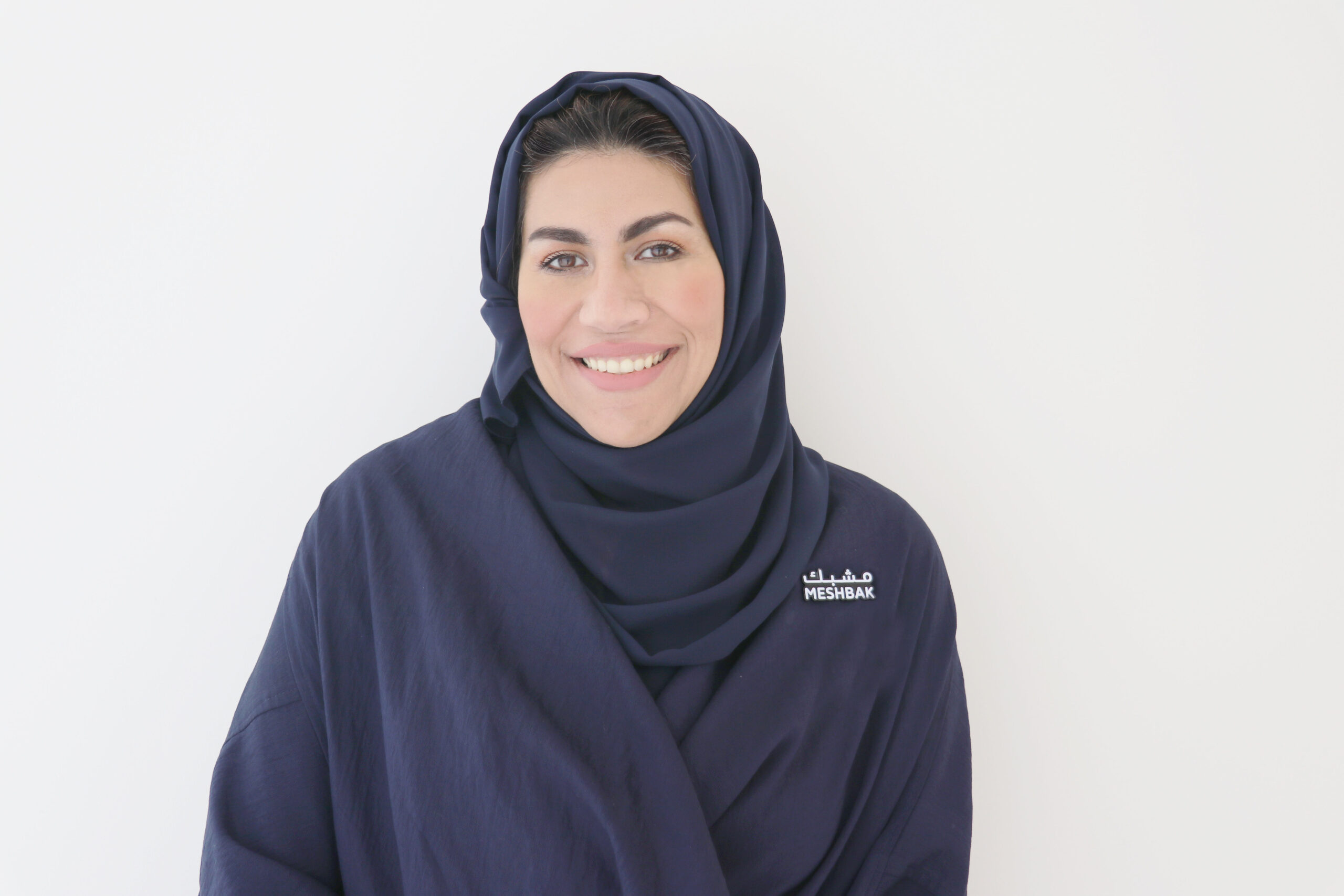
Saudi Arabia’s agency boom built teams at speed. Now the market is recalibrating, and Khansa’a Abu Naji doesn’t think it’s going back. The Managing Director of Meshbak KSA calls it a permanent reset, where capability counts for more than headcount and potential counts for more than a CV. Below, she covers salary gaps, AI literacy and the senior roles that are still hard to fill.
Salary expectations are still high. What’s changed with candidates over the past year, and where’s the gap with employers?
One of the biggest shifts I’ve noticed during the last few years, is that candidates are no longer evaluating opportunities based on salary alone. They expect competitive compensation, but they also want flexibility, meaningful work, supportive management and faster career progression and strong leadership.
The challenge is that agency economics have changed. Clients are demanding more strategic thinking, faster turnaround and broader deliverables, often without proportional budget increases. As a result, employers have become much more selective about where they invest.
The biggest gap today isn’t necessarily about salary—it’s about value perception. Many candidates expect compensation based on years of experience, while employers are increasingly rewarding measurable impact, adaptability and commercial value rather than tenure alone.
Agencies are running leaner. Which skills matter most now, and which roles are still hard to fill?
The agencies that are thriving today aren’t necessarily hiring more people—they’re hiring better problem solvers.
We’re placing much greater value on people who combine strategic thinking with execution. Specialists remain important, but hybrid talent is becoming incredibly valuable. Someone who understands branding, can use AI effectively, communicates well with clients and thinks commercially will always stand out.
The hardest roles to hire in Saudi Arabia are still senior strategists, creative leaders and senior account managers who can genuinely build client partnerships rather than simply manage projects. Those capabilities take years to develop and can’t be replaced by technology.
How is AI changing who agencies hire and how they build their teams?
AI isn’t replacing creative people; it’s changing what creativity looks like.
The repetitive tasks are increasingly automated, which means we now expect our teams to spend more time thinking, challenging ideas, solving business problems and creating original concepts.
We’re not necessarily hiring fewer people—we’re hiring differently. Curiosity, critical thinking, prompt engineering, strategic judgment and the ability to collaborate with AI are becoming essential skills. The agencies that invest in AI literacy today will have a significant competitive advantage tomorrow.
Restructuring, hiring freezes and even unpaid leave have hit parts of the region. How would you describe the talent market in KSA and the GCC right now, and what’s driving it?
I see this less as a downturn and more as a period of recalibration.
The market experienced rapid expansion over the past few years, particularly in Saudi Arabia. Many agencies scaled quickly in anticipation of sustained growth. Today, businesses are becoming more disciplined, focusing on profitability, operational efficiency and sustainable growth rather than expansion for its own sake.
Demand for talent remains strong, particularly in Saudi Arabia, but hiring decisions have become more deliberate. Companies are looking for people who can create measurable value from day one.
What will be the biggest talent challenge for agency leaders in 2027, and what separates the agencies that are getting it right?
Retention won’t be solved by salaries alone.
The organizations that succeed will create environments where people feel trusted, challenged and connected to a meaningful purpose. Top talent wants clarity, continuous learning, transparent leadership and opportunities to grow.
The agencies that struggle will continue treating talent as a resource to manage rather than people to develop. Culture isn’t built through perks—it’s built through leadership consistency.
Is this a temporary correction or a permanent reset?
I believe we’re seeing a permanent reset rather than a temporary correction.
The expectations of both employers and employees have fundamentally changed. AI, changing client demands and economic realities have permanently altered how agencies operate.
The future belongs to smaller, more capable and more agile teams. Success will depend less on headcount and more on capability.
After years of candidates holding the cards, has power shifted back to employers?
I think the relationship is becoming more balanced.
During the hiring boom, candidates had considerable leverage. Today employers are more selective, but exceptional talent still has options.
The best organizations recognize that recruitment isn’t about who has more power—it’s about creating mutual value. Great people will always have choices.
What’s the biggest misconception about agency careers in the region?
Many people still believe agencies are simply execution partners.
In reality, modern agencies are strategic business partners. We solve commercial problems, influence brands, shape customer experiences and often work across transformation initiatives.
Agency careers can be incredibly demanding, but they also offer one of the fastest learning environments available. Few industries expose people to such a wide variety of sectors, challenges and leadership opportunities in such a short period of time.
If you could change one thing about how the industry treats talent, what would it be?
I would shift the conversation from hiring experience to hiring potential and that’s what I’m trying to do in Meshbak.
Too often we recruit based on where someone has worked rather than how they think, how quickly they learn or how they solve problems.
The future of our industry depends on curiosity, adaptability and continuous learning. Technical skills can be taught. Character, ownership and creative thinking are much harder to develop.
How does your pay compare? See how salaries are moving across agencies, brands and media in Communicate’s 2026 GCC Advertising & Marketing Salary Survey. Explore the Findings HERE.