Gulf hospitality just proved something: it can take a hit and bounce right back. Airspace closed this spring, flights got cancelled by the thousands, and for a few weeks, Dubai hotels felt it. Then travelers came back, and the industry didn’t just recover, it started asking sharper questions about where the real value lives.
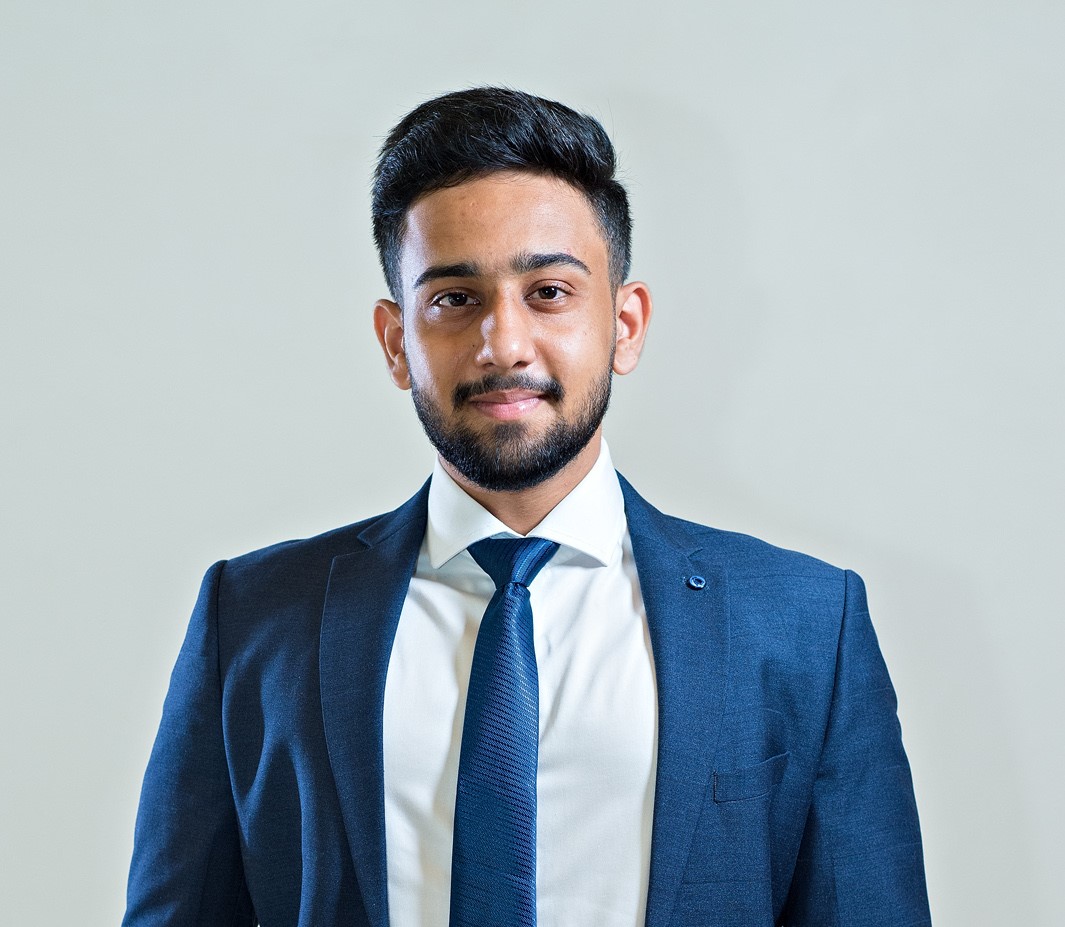
That’s the mood heading into this year’s Future Hospitality Summit. Forget who’s speaking on stage, the real action is who’s in the room, what it actually costs when an AI books your hotel for you, and why a branded apartment might be worth more to a developer than years of guest reviews. We sat down with Muhammad Ahmed, Head of Marketing at The Bench, the company behind FHS, to unpack it.
What’s the single biggest shift you’ve seen in what hospitality CMOs and marketers want from an industry event like FHS this year?
They come to be in the room. A CMO can watch any panel on LinkedIn the next day. What they cannot get anywhere else is three days in the same building as the owners and developers who decide which brand goes on which site, and in this region that decision is made years before a guest exists. So the ask has changed from “who is speaking” to “who is attending, and can you get me twenty minutes with them”. We have followed the demand. As much of our effort now goes into the Dealroom and pre-booked meetings as into the stage.
What’s the one conversation you most want to see happening on the sidelines at this year’s summit?
Who pays when an AI agent books the room. Google started taking hotel bookings inside AI Mode at the end of August, and nobody has said what that channel costs. In most markets that is the brand’s problem. In the Gulf it lands on the owner, because under a management agreement the owner pays for distribution and the brand decides the channel strategy. Owners and CMOs almost never discuss this together; the owner finds out when the fees change. FHS is one of the few places where both are in the building, and I would rather they had that conversation now than in a contract renegotiation two years from now.
Where do you see the biggest opportunity for hospitality and travel?
Branded residences, and what they reveal about the value of a hospitality brand. When a developer puts a hotel brand on a residential building, buyers pay around a third more for the same square metres, and Dubai has more of these projects than any city in the world. A brand built one stay at a time has become something people will pay a premium to live inside permanently. That is a different kind of customer. A guest gives you three nights. A resident gives you years, and tells the next buyer what the brand is worth.
The opportunity is to market with that in mind. Every stay is now also a sales visit for a home the brand may sell later, so the campaigns that work will sell a way of living rather than a room rate. In a year when the region’s travel flows have been disrupted, income that arrives through a title deed rather than an airport matters more than usual. The brands that understand this will grow faster than the ones still counting occupancy.