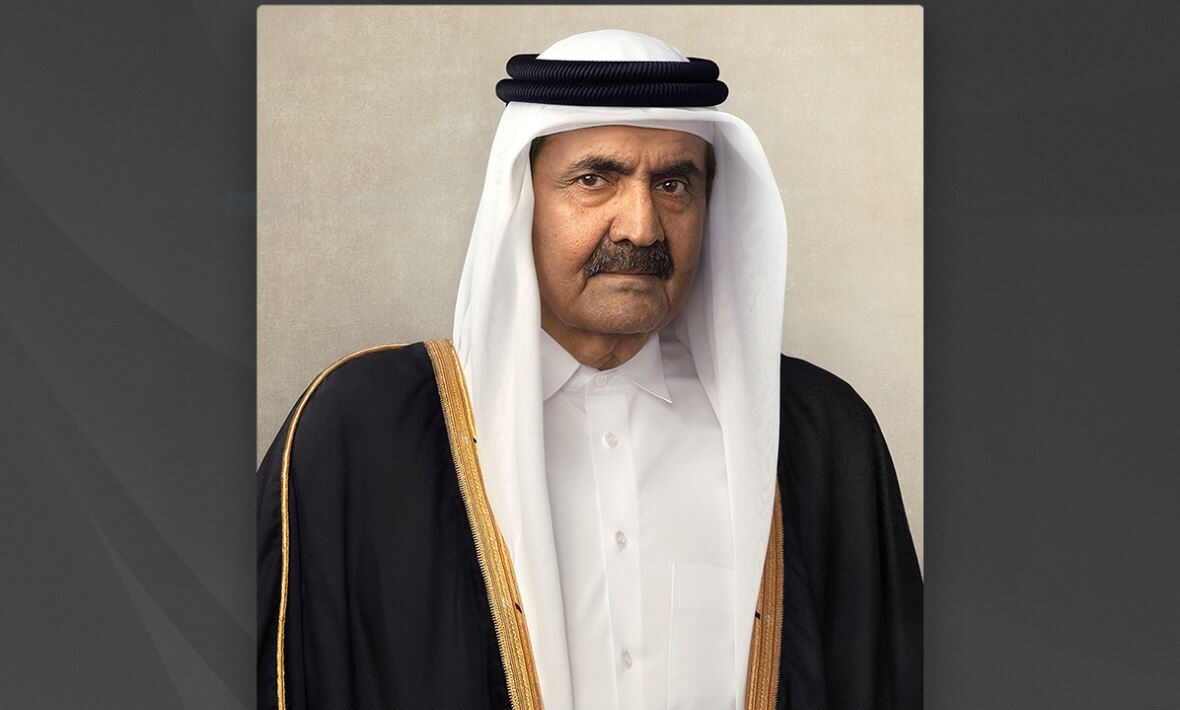
When Sheikh Hamad bin Khalifa Al Thani took power in Qatar in 1995, the Gulf nation was best known for its vast natural gas reserves. By the time he voluntarily handed power to his son in 2013, Qatar had become a global name in media, aviation, sports, diplomacy, and investment—an extraordinary transformation that made the former emir one of the architects of modern nation branding.
Sheikh Hamad died on Sunday at the age of 74, according to Qatar’s state news agency. No cause of death was announced.
For marketers and communication professionals, his legacy extends beyond politics. His tenure demonstrated how sustained investment in media, culture, sport and infrastructure can elevate a country’s global reputation.
One of Sheikh Hamad’s most enduring contributions was the launch of Al Jazeera in 1996. The satellite television network challenged traditional state-controlled broadcasting in the Arab world and grew into one of the world’s most influential international news organizations, giving Qatar an outsized media presence on the global stage.
He also oversaw the rapid expansion of Qatar Airways, transforming it into one of the world’s leading premium airlines and an ambassador for the country’s brand. Investments in Hamad International Airport further reinforced Doha’s ambition to become a global aviation hub.
Sport became another pillar of Qatar’s international identity under Sheikh Hamad. His government successfully secured hosting rights for the 2022 FIFA World Cup, the first tournament to be held in the Middle East. Qatar also expanded its global sporting footprint through investments and sponsorships, including Paris Saint-Germain and partnerships with leading football clubs, helping position the country at the centre of international sport.
Beyond branding, Sheikh Hamad expanded Qatar’s global investment portfolio. Under his leadership, the country invested in high-profile international assets, strengthening both its economic influence and international visibility.
Few dispute Sheikh Hamad’s role in reshaping the country’s international image. Through strategic investments in media, aviation, sport and global partnerships, he helped transform a small Gulf state into one of the world’s most recognizable national brands.
For today’s marketers, his legacy offers a reminder that reputation is built over decades through consistent investment in storytelling, world-class institutions, and globally visible experiences—not through campaigns alone.