When KFC Arabia and TBWA\RAAD picked up TikTok’s highest creative honor, the G.O.A.T. award, the recognition marked more than a standout campaign. It reflected a shift in how brands are learning to build from culture.
The winning ‘Om Bdr – 12th Ingredient’ campaign did not begin with a brief or a production plan. It began on TikTok, where Saudi users were already reshaping the KFC experience—pouring Srar Hail, a seasoning made by local chef Om Bdr, over their chicken.
What could have been dismissed as a fleeting trend instead became the foundation of a campaign that would move from social feeds into stores, and from content into commerce.
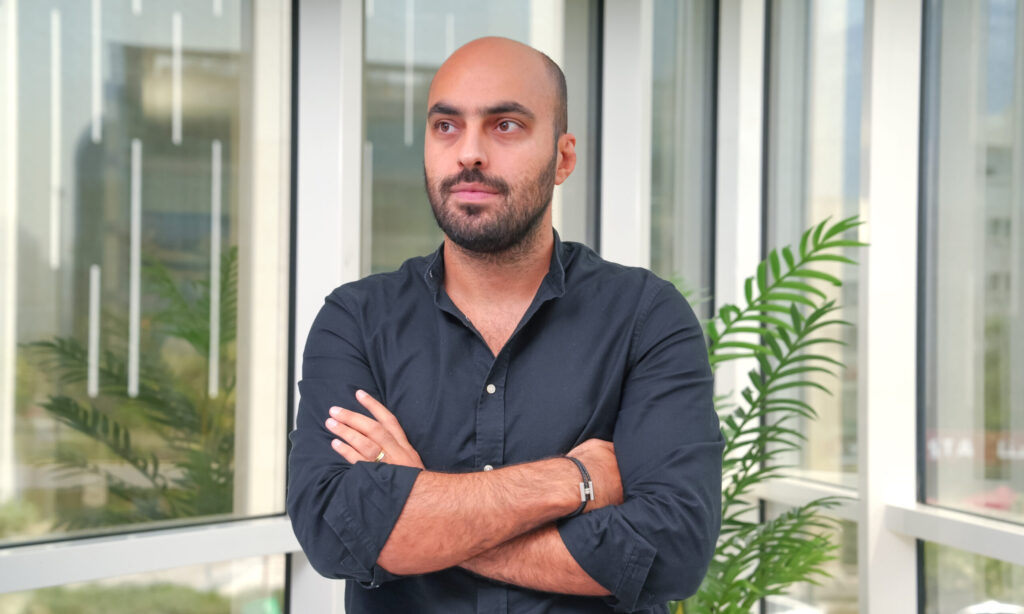
For Rand Hilal, a Social Media Manager at TBWA/RAAD, the insight was as strategic as it was cultural. The objective, she explains, was to deepen KFC’s relevance in Saudi Arabia by celebrating a taste the community already valued.
Partnering with Om Bdr was not only a creative decision, but a business one—marking the brand’s first collaboration with a local Saudi name after a history of international partnerships.
The campaign sought to “move beyond the typical product launch and craft something culturally meaningful,” Hilal says, positioning KFC not just as a global operator in the market, but as a participant in local traditions. At a time when trust and loyalty needed rebuilding, the collaboration signalled a shift towards local authenticity.
The creative leap
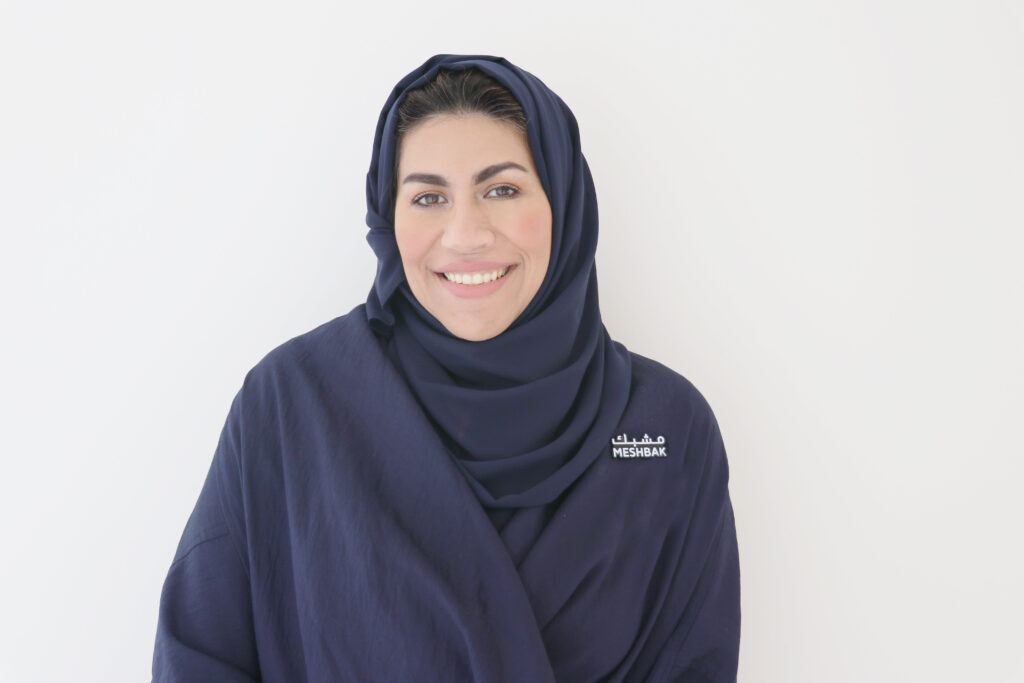
The creative leap came from translating that behavior into a narrative that could hold both brand equity and cultural nuance. Farida Abdelaal, a senior creative copywriter currently working at TBWA\RAAD, says the idea is rooted in a strong cultural insight
“In Saudi homes, Om Bdr’s Srar Hail is THE benchmark of authenticity, the final touch that elevates any dish. Literally, any dish. During our market research on TikTok, we found people drenching the seasoning in our chicken buckets, so much so that it became a trend,” she says.
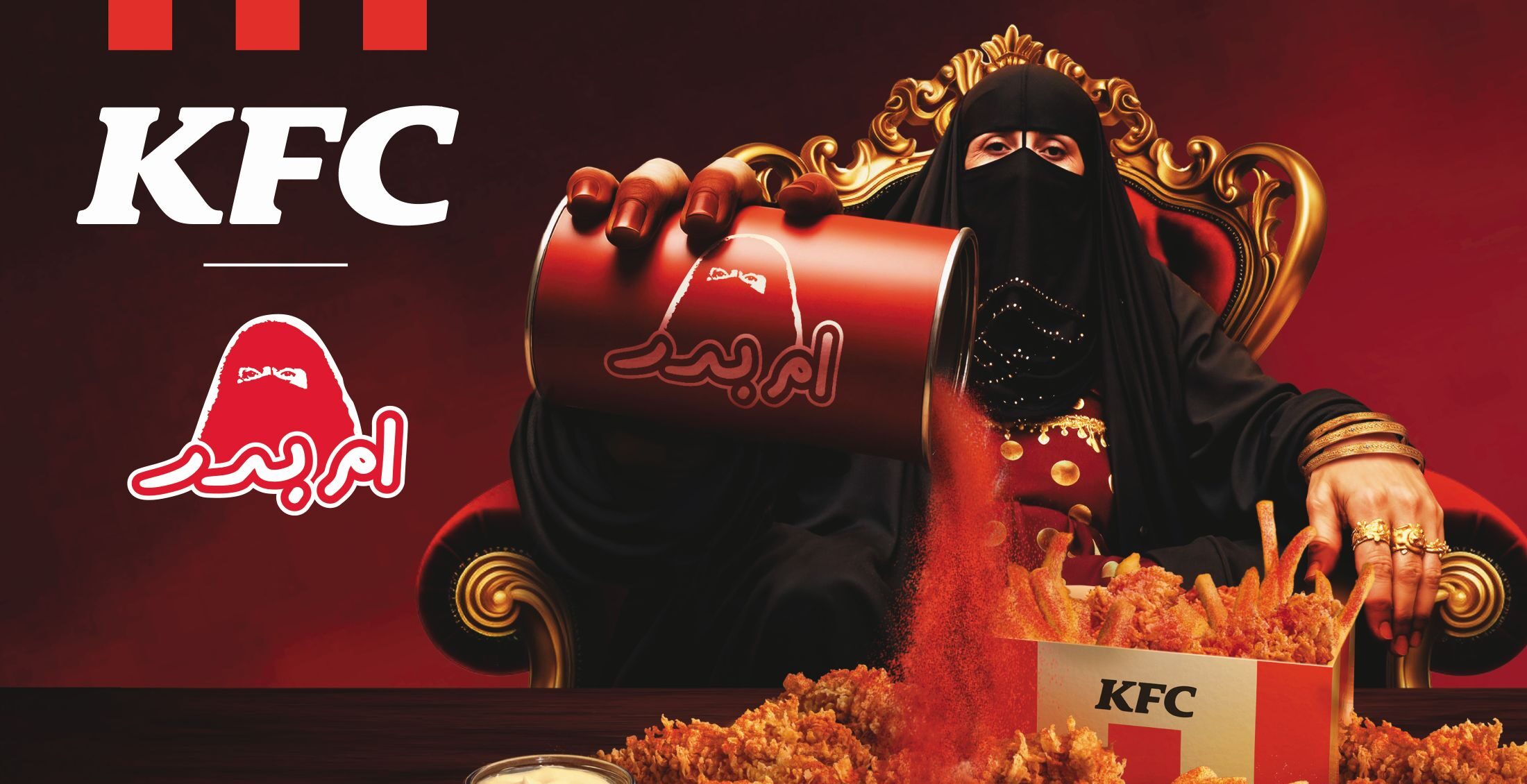
She adds that this led to the “central creative twist”, culminating in positioning Om Bdr as the brand’s unofficial “12th herb and spice”, reframing one of KFC’s most recognizable global assets through a local lens.
“In a playful yet culturally respectful narrative, the campaign imagined Om Badr stepping in to temporarily ‘cancel’ the famous 11 herbs and spices, adding her own signature touch to bring true local authenticity to the recipe,” Abdelaal told Communicate.
Execution followed the same principle: let the platform lead. Instead of polished production, the campaign unfolded in stages that mirrored how trends travel on TikTok. It began with subtle disruption—an in-store poster altered to read “12 herbs & spices,” prompting speculation without explanation. From there, creators were engaged not to fabricate a narrative, but to recreate what they had already been doing, amplifying the behaviour organically.
“Finally, we dropped the reveal: Om Badr’s Srar Hail was taking over KFC as the official 12th herb and spice. The takeover came to life through a hero film showing her bringing truckloads of seasoning, drenching everything in sight, and transforming our stores into full Hail-style majlis spaces,” Abelaal says.
The approach rejected conventional campaign structures. There were no cinematic spots or controlled studio environments—only real locations, minimal staging and a reliance on community momentum. As TBWA\RAAD Group CEO Reda Raad said, the work was about building from “cultural truth, not creative convention.”
When demand extended beyond the brand itself
The results were immediate and measurable. The limited-time product sold out in under three weeks, while KFC Saudi Arabia recorded its highest sales mix to date at 15 percent, exceeding targets by 120 percent and driving a 6 percent lift in key menu categories. Demand extended beyond the brand itself, depleting Om Bdr’s own seasoning stock.
On TikTok, performance outpaced benchmarks, driven by organic participation. The campaign delivered a 91.25 percent increase in click-through rates above category norms and a 14 percent lift in video completion rates compared with best-in-class campaigns. Influencer reach extended to seven million followers, generating tens of thousands of engagements and triggering demand across neighboring markets, including the UAE, Kuwait and Bahrain.
For Hilal, the scale of response confirmed that the campaign had moved beyond marketing. “Customers didn’t just try it once; they came back hungry for more,” she notes, pointing to repeat engagement as a signal of deeper resonance. The volume of inbound requests from across the Gulf further indicated how a locally rooted idea had expanded into a regional conversation.
Yet the campaign’s defining characteristic was not its metrics, but its ownership. What began as user-generated behavior evolved into what Abdelaal describes as a “shared inside joke the whole country was in on.”
“What truly resonated was how a simple collaboration evolved into a nationwide cultural moment that rippled across the Gulf. This wasn’t marketing, it was a movement. Saudis didn’t just consume the product; they proudly claimed ownership of it, sharing, celebrating, and crunching together. That’s when we knew we’d struck something authentic,” Hilal says.
The success of the campaign, Abdelaal notes, “proved that when a global brand embraces local authenticity with confidence and playfulness, audiences take ownership. And when that happens, success stops being measured only in metrics, and starts being felt in culture.”