Execs from Mashreq, Unilever, TikTok, Expo City Dubai, G42 and L’Oréal on why brand, proof and judgment matter more than ever
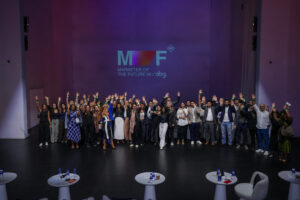
Ask a room full of senior marketers in Dubai whether AI is making their jobs easier, and you’ll likely get a polite laugh. At ABG’s Marketer of the Future (MOTF) this year, speakers agreed the technology has made marketing faster and cheaper to produce. What it hasn’t done is make anyone’s job simpler.
Instead, the conversation kept circling back to three things: the strength of the brand, the proof behind it, and whether marketers are willing to own the change instead of waiting for it to happen to them.
Advertising Business Group CEO and executive director Eleni Kitra set the tone, opening the day with a thought-provoking fireside chat with WFA president David Wheldon.
Transformation never stops
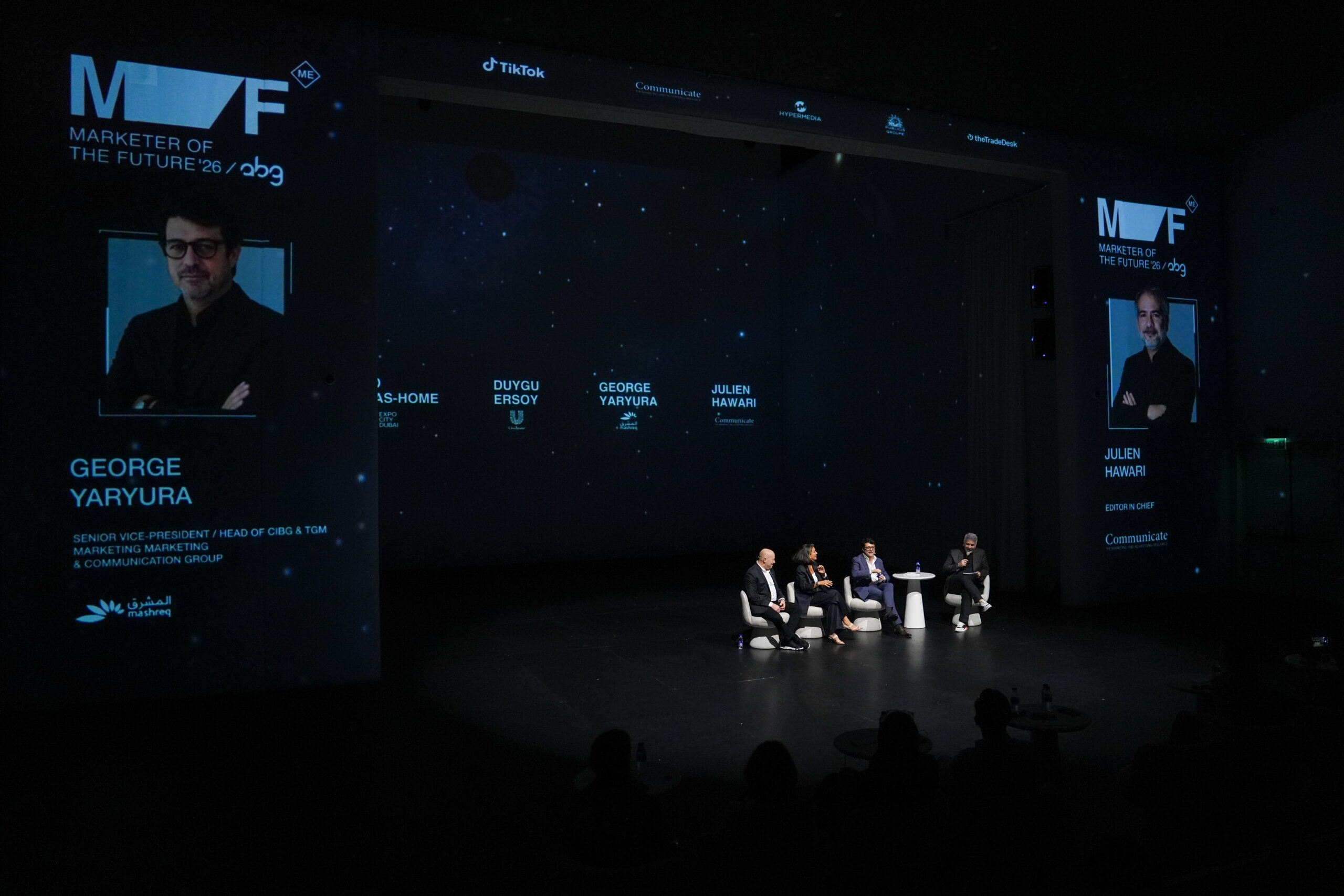
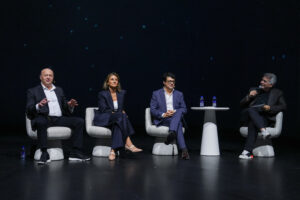
The day’s headline panel on continuous transformation brought together Julien Hawari, CEO of Special Edition and editor-in-chief of Communicate; Georges Yaryura, global head of wholesale marketing at Mashreq; Duygu Ersoy, general manager for homecare at Unilever; and Sholto Douglas-Home, chief sales, marketing and communications officer at Expo City Dubai.
Three messages came through loud and clear. First, own it. Marketers have always driven transformation and need to lead this one too, but AI can’t be treated as just another digital transformation project, but anyone treating AI as a rerun of digital transformation is in for a surprise. The old logic of heavy upfront investment paid back through efficiency no longer holds, and the true cost of the shift is easy to underestimate.
Second, move faster. With consumers moving faster than brands and innovation cycles shrinking sharply, the panel agreed that legacy business models, particularly in FMCG, deserve a fresh look, with AI used to anticipate consumer needs rather than react to them.
Third, don’t lose sight of the brand. As AI makes content abundant, the panelists saw strong brand fundamentals as the real differentiator, and the UAE, where continuous transformation is part of the national DNA, as the natural place to prove it.
When everyone sounds smart
G42’s Giacomo Ziani, SVP of corporate marketing and communications, called AI “the biggest equalizer” the industry has seen. When anyone can produce polished content and sound like an expert, he said, polish stops being an advantage. What’s scarce now is judgment and trust.
And AI is increasingly the one making the call. Ziani cited research showing that just 8% of users click a search result when an AI summary appears, and only 1% click a link inside the summary itself. A company’s own content, meanwhile, makes up roughly 14% of what shows up in an LLM’s answer.
The takeaway? Saying it more often won’t make it more believable. Marketers need to build an evidence ecosystem of research, independent coverage and testimonials around what they say, and when a promise can’t be backed up, push the business to make it true. “Looking professional may get you noticed,” he said, “but it’s truly being credible that will make you chosen.”
Show me the numbers
If Ziani made the case for proof, Ebiquity’s Leela Nair, managing director APAC-MEA, brought the data when she sat down with Olfa Messaoudi. Asked how the GCC compares with the other markets she covers, Nair pointed to the region’s energy and resilience. But when it comes to spend, the region is far from united. According to the ABG, WFA and Ebiquity GCC 2027 budget survey, 48% of GCC marketers plan to increase media budgets next year, while nearly a third (32%) expect cuts, compared with 22% globally.
Either way, the bar for proof is going up. Some 65% of GCC marketers expect effectiveness evidence to carry more weight in budget decisions (vs. 58% globally), and 41% plan to tie agency pricing to outcomes, 13 points above the global average. The problem is follow-through: globally, 80% of advertisers use marketing mix modeling, but only 15% say effectiveness actually drives their budget decisions, per the WFA and Ebiquity’s Paid Media Effectiveness Handbook.
The lineup also included Athanas Jamo, chief client director at Ipsos; Elias Bassil, TikTok’s regional head of business marketing, METAP; Dr. Noah Raford, managing partner at EMIR Intelligence; and Ali Hanan, founder and global executive director of Creative Equals. If one thread ran through the day, it’s that AI has leveled the playing field. The marketers who win from here will be the ones building brands people can actually believe.