Saudi Arabia’s plan to add more than 1.3 million square metres of lifestyle retail space across Riyadh and Jeddah by 2027 is about far more than increasing shopping capacity. It signals a fundamental transformation in how consumers interact with brands and how retailers must position themselves in the Kingdom’s rapidly evolving economy.
According to Knight Frank, the expansion is being driven by growing demand for destinations that combine retail, dining, entertainment and social engagement. That shift reflects a broader global trend: consumers increasingly visit physical stores not merely to purchase products but to experience brands.
For retailers operating in the Gulf, the implications are significant.
Beyond shopping
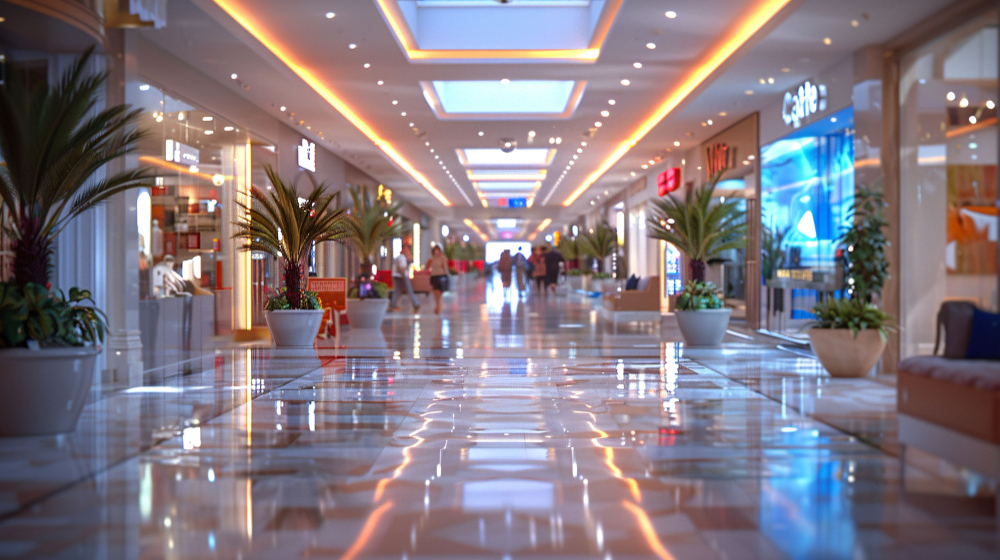
As e-commerce becomes increasingly embedded in everyday purchasing behaviour, physical retail is being forced to redefine its purpose. Shopping centres are no longer competing with other malls; they are competing with smartphones. To remain relevant, developers are transforming retail assets into lifestyle ecosystems where consumers spend time, socialise, discover products and create content for social media.
The projects planned for Riyadh and Jeddah illustrate this transition. Developments such as Al Hamra, The Bellvue and Jeddah Cove Waterfront are being designed as mixed-use destinations that integrate hospitality, leisure, entertainment and premium retail. Their objective is to attract visitors even when they have no immediate intention to shop.
This evolution is accelerating the convergence between digital commerce and physical experiences. Increasingly, stores function as brand showrooms, customer acquisition channels and experience centres, while transactions may ultimately occur online. Consumers might discover a product in-store, engage with a brand consultant, attend an event or try a limited-edition collection before completing the purchase through a mobile app.
For GCC brand directors, this creates a new strategic imperative: securing space within flagship Vision 2030-backed developments is becoming critical. As occupancy rates in Riyadh’s leading lifestyle destinations approach full capacity, prime locations are likely to become increasingly scarce and expensive.
Brands that establish an early presence in premium developments stand to benefit from higher footfall, stronger brand visibility and association with Saudi Arabia’s most ambitious urban projects. Those that delay risk being pushed into secondary retail locations with weaker customer engagement opportunities and lower prestige.
The emergence of luxury hospitality-retail hybrids further highlights the trend. Designer-branded cafés such as Dior Café and Ralph’s Coffee demonstrate how global brands are extending beyond traditional retail into lifestyle experiences. The café itself becomes a marketing platform, community space and content-generation engine that deepens consumer relationships.
Experience premium
Perhaps the most significant implication is the growing viability of experiential pricing models. As consumers increasingly seek personalised experiences, brands are gaining opportunities to monetise services that were previously offered free of charge.
Private styling sessions, beauty consultations, VIP shopping appointments, exclusive product previews, members-only events and curated workshops can all become revenue-generating experiences. Rather than relying solely on product margins, retailers can charge for access, expertise and exclusivity.
This mirrors trends already visible in luxury retail, wellness and hospitality sectors globally, where consumers demonstrate a willingness to pay for premium experiences that provide personalisation and status.
The Knight Frank projections therefore point to more than a construction boom. They suggest Saudi Arabia is building the physical infrastructure for an experience-led consumer economy. As Vision 2030 continues to drive investment into entertainment, tourism and lifestyle development, the distinction between shopping centre, hospitality venue and social destination is becoming increasingly blurred.
For retailers, success in this new environment will depend less on the size of their stores and more on their ability to create memorable experiences that cannot be replicated online. The winners will be brands that treat physical retail not as a point of sale, but as a stage for engagement, community and storytelling.