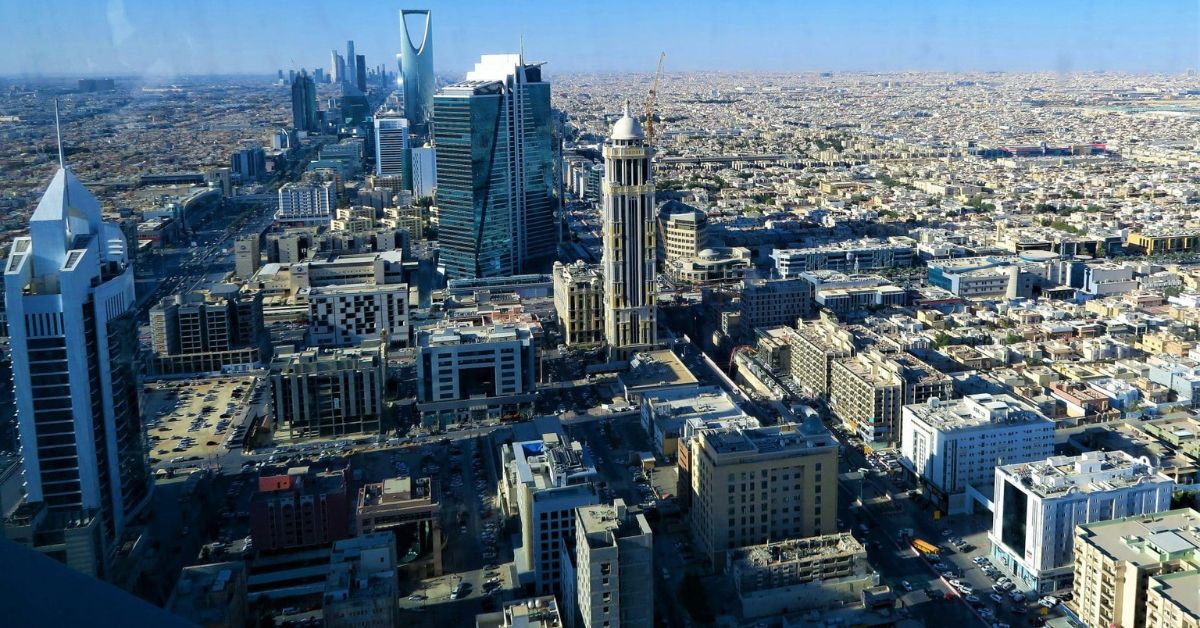
Saudi Arabia’s media industry is undergoing a structural shift that is steadily moving the centre of gravity of the Arab media business from Dubai to Riyadh.
The migration is being led by Saudi-owned groups but increasingly extends to international media, advertising and content companies. The logic is straightforward: as Riyadh becomes the Kingdom’s political, economic and cultural centre, companies that want to capture Saudi advertising, government and corporate spending are being pushed to put more of their operations — and increasingly their senior teams — inside the Kingdom.
Riyadh pulls ahead
The most visible example is MBC Group. After operating largely from Dubai for three decades, MBC officially opened its Riyadh headquarters in 2022. In May 2025, MBC and Diriyah Company signed an agreement to develop a much larger new headquarters in Diriyah, including offices, production studios and an interactive visitor centre.
SRMG has followed a similar trajectory. The group announced its new headquarters in Riyadh’s King Abdullah Financial District in 2022. Its growing Riyadh footprint now places one of the region’s biggest media groups physically at the heart of Saudi Arabia’s expanding media ecosystem.
SRMG, however, stressed that its headquarters have always been in Riyadh and described the expansion as a consolidation of its operations in the Kingdom rather than a relocation from elsewhere.
“SRMG’s headquarters have always been based in Riyadh. With the completion of our new headquarters, we are bringing more of our teams together in the Kingdom, reflecting the increasing role Riyadh plays across the Group’s operations,” the company said.
It added that the group would retain its international footprint. “As a media organization, our operations are inherently international. While we continue to strengthen our presence in Riyadh, we will maintain operations across key regional and global markets to serve our audiences, support our talent, and advance our editorial and commercial activities.”
Policy follows money
The relocation has also reached major news operations. Al Arabiya and Al Hadath completed their operational move to Riyadh, with the Saudi media minister visiting the network’s new headquarters in July 2025. The network said 230 employees were operating from the Riyadh facility, which includes studios, control rooms and newsrooms. The minister described the move as more than a geographical relocation, arguing that Riyadh puts the network closer to the region’s political and economic decision-making.
This is part of a much broader Saudi strategy. Riyadh’s Regional Headquarters Programme requires multinational companies that want access to Saudi government contracts to establish a regional headquarters in the Kingdom, subject to specified exceptions. The procurement controls came into force on January 1, 2024.
The policy has already produced a substantial corporate migration. The Financial Times reported in 2024 that more than 350 global companies had obtained Saudi regional-headquarters licences, including PepsiCo, Boeing, PwC and Unilever. More recently, the Saudi government has continued to announce new regional headquarters, including BNP Paribas in August 2026 and SAP’s MENA headquarters move to Riyadh.
Media has a particular reason to follow the money. Saudi Arabia is now the region’s largest media market, with the government’s own 2025 media-market outlook putting the sector at about SAR17.4 billion ($4.6 billion) and around 30% of the MENA market.
The result is a potentially historic redistribution of Gulf media power. Dubai retains major advantages in international connectivity, expatriate talent and its established media infrastructure. But Riyadh has something Dubai cannot replicate: the Kingdom’s enormous domestic economy, government spending, giga-project pipeline and rapidly expanding advertising and entertainment market.
The December deadline therefore matters less as a standalone regulatory date than as a marker of where the industry is heading. If Saudi authorities are now pressing media companies to complete their physical migration by the end of 2026, it would represent the culmination of a process that began years ago — and could permanently redefine Dubai’s role as the region’s default media capital.