Netflix and YouTube are stepping up their competition for top creators, signaling a broader shift in the entertainment industry as audiences, intellectual property and distribution power increasingly converge around individual creators.
Netflix has signed deals with more than 20 major YouTube creators, while YouTube is reportedly offering some of its biggest creators financial support and product assistance to keep their businesses anchored to the platform.
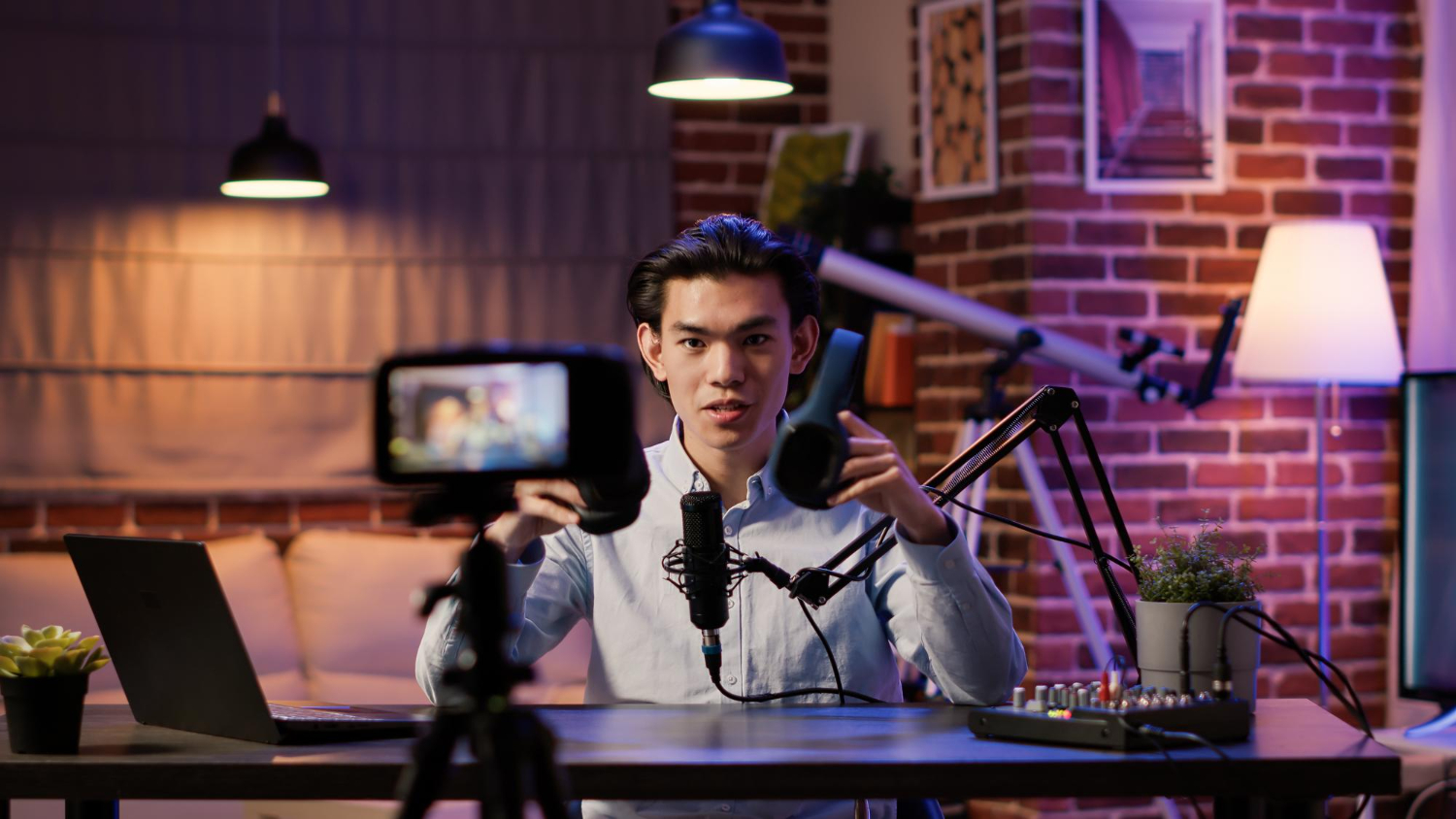
The competition reflects a changing economics of entertainment, where creators increasingly bring more than talent to a distribution platform. They can arrive with established audiences, intellectual property, audience analytics, production capabilities, brand relationships and evidence of demand.
For much of the history of entertainment, talent competed for access to distributors. The emerging creator economy is increasingly reversing that relationship, with distribution platforms competing for access to talent that has already built an audience.
The two platforms offer creators different propositions.
Netflix provides scale, production resources, localization capabilities, Hollywood infrastructure and access to new international audiences. YouTube, meanwhile, offers creators greater ownership, direct access to audience data, community engagement, creative control and immediate feedback.
That has encouraged creators to use multiple platforms for different purposes rather than treating them as mutually exclusive destinations. YouTube can serve as a discovery and community platform, Netflix as a vehicle for premium production and global expansion, TikTok for cultural discovery, and commerce and membership platforms for transactions and deeper audience relationships.
The shift is already producing measurable results for Netflix.
Ms. Rachel generated 69 million Netflix views across two seasons in the first half of 2026, according to the figures cited in the analysis. Mark Rober’s CrunchLabs generated 36 million views, while Salish and Jordan Matter generated 29 million.
However, much of Netflix’s strongest performance from creator-led programming so far has been concentrated in children’s and family content, leaving open the question of whether the model can be replicated across a wider range of entertainment genres.
The growing competition therefore points to a larger change in the balance of power between creators and platforms.
As creators build audiences, develop intellectual property and demonstrate the commercial value of their formats, they may increasingly be able to negotiate with multiple distributors rather than depend on a single platform.
The emerging model could make creators less tied to any one distribution system and allow them to use different platforms for discovery, community, premium distribution and commerce.
The key question for the creator economy, therefore, may no longer be which platform wins the creator. It may be whether creators can build enough leverage to make multiple platforms compete for access to the audiences and intellectual property they have already built.