The Lebanese advertising industry is facing mounting criticism and possible legal exposure after dozens of brands reportedly used a viral social media trend for commercial campaigns without obtaining permission from the individuals featured in the original video.
The controversy centers on the “Ana Teta” meme, which emerged from a Lebanese gender-reveal video that went viral across TikTok and Instagram in the Arab world. In the clip, the mother of a young Lebanese woman reacts excitedly to learning she is about to become a grandmother and says, “Ana Teta” — Arabic for “I’m a grandma.”
What made the moment explode online was the contrast between the phrase and her appearance: viewers were stunned that someone who looked so youthful was announcing she was becoming a grandmother. Her glamorous styling, confident delivery, and joyful reaction quickly turned the short line into a meme format repeated across social media.
Soon, “Ana Teta” became shorthand online for anyone who looks unexpectedly young for their age or for humorous reactions to aging, family milestones, and beauty culture in Lebanon and the wider Middle East. Users began remixing the clip, lip-syncing the phrase, and turning screenshots into jokes about cosmetic treatments, Lebanese beauty standards, and the region’s obsession with youthful appearance. The meme also sparked wider conversation about image culture on social media, where glamour, cosmetic enhancement, and aspirational lifestyles often blur generational expectations.

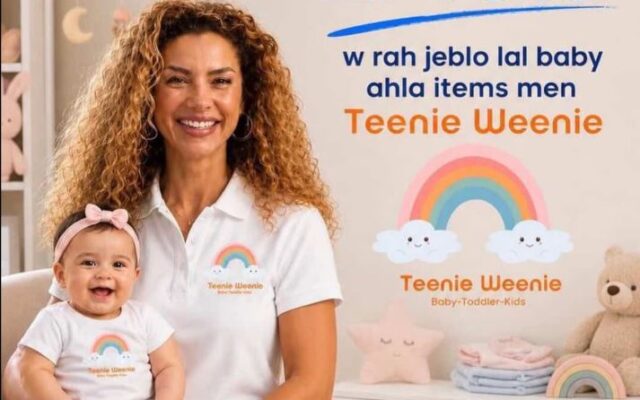
Soon, the brands and agencies quickly adapted the meme into promotional content, adding logos, slogans and marketing messages in an attempt to capitalize on its popularity. This has sparked a moral or legal debate about the right of the agencies to use popular memes for promotions.
Virality meets liability
Lebanese entrepreneur and marketing commentator Joe Saade has warned that the trend could trigger significant legal consequences for agencies and advertisers.
In a LinkedIn post that gained widespread attention this week, Saade argued that companies were confusing “agile marketing” with exploitation. He said brands using the viral video for commercial purposes without a signed release may be violating personality rights, privacy protections and intellectual property laws.

“There is a multi-million-dollar legal lawsuit waiting to happen in the Lebanese marketing scene,” Saade wrote, adding that the issue extends beyond Lebanon into Gulf markets such as the UAE and Saudi Arabia, where privacy and cybercrime laws are stricter.
Consent versus commerce
The debate has sparked wider discussion across the region’s advertising community about the ethics of “trend-jacking” — the practice of rapidly repurposing viral internet content for branded campaigns.
Legal experts and marketing professionals responding to the post argued that viral visibility does not automatically grant brands the right to commercially exploit someone’s image or likeness.
Intellectual property specialist Rasha Shamat commented in her Linkeduin post that unauthorized use of copyrighted material, captions or personal likenesses could amount to infringement if no authorization was obtained.
Others described the trend as symptomatic of a broader problem in regional advertising, where speed and online relevance increasingly outweigh ethical considerations.
Marketing consultant Tania Sawaya criticized brands for treating individuals as “marketable assets” in the race for virality, while several commenters pointed to artificial intelligence tools as accelerating copycat content creation.

The controversy also reflects a wider global conversation around digital consent, intellectual property and data exploitation in the age of AI-driven content production. Legal scholars worldwide have increasingly warned that evolving technologies are blurring the boundaries between public content, privacy rights and commercial usage.
While no formal lawsuit has yet been announced, the “Ana Teta” debate has become one of the most talked-about issues in Lebanon’s digital marketing sector, raising fresh questions about whether viral internet culture can be monetized without legal or ethical consequences.