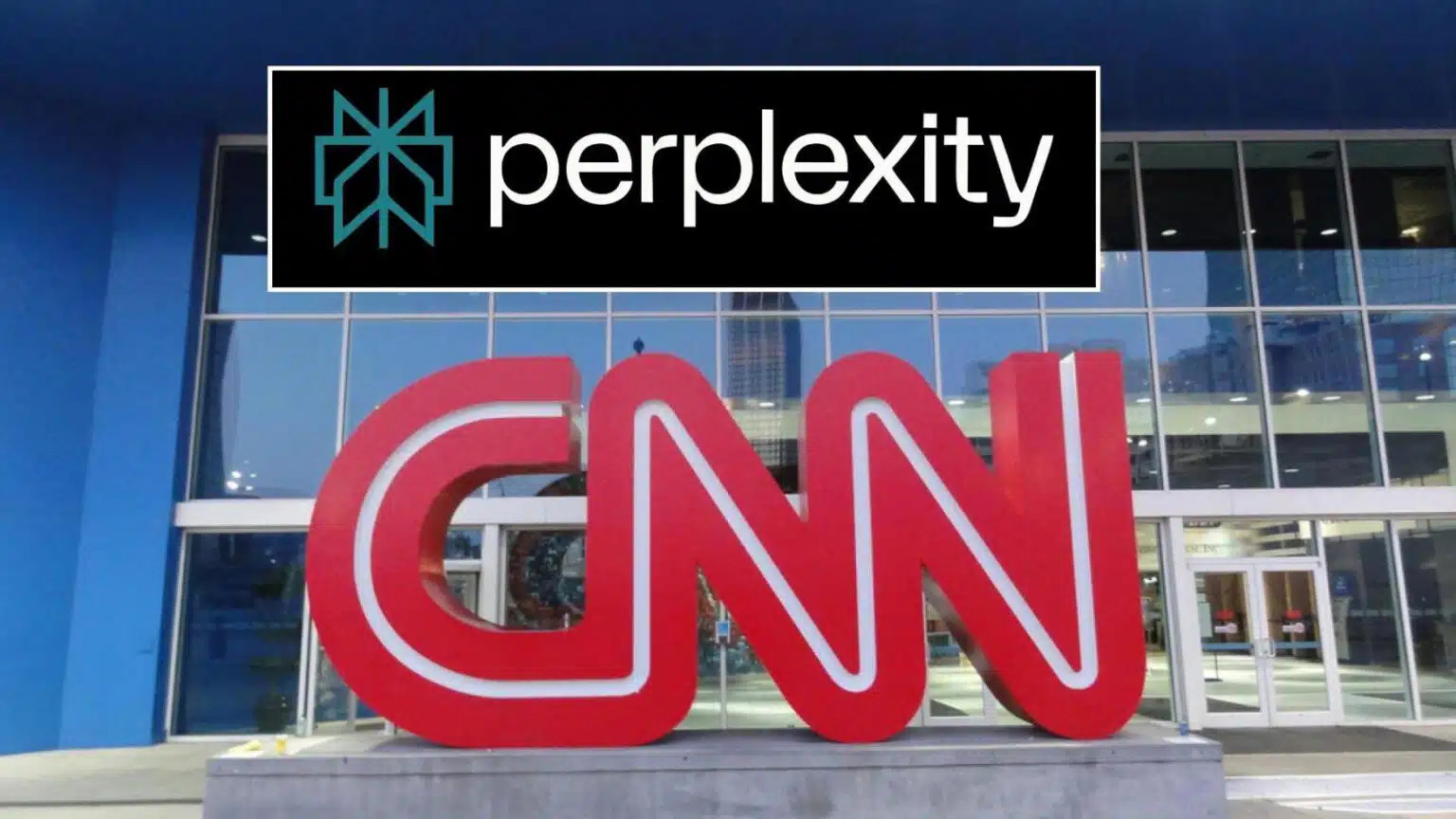
A lawsuit filed by CNN against AI search startup Perplexity AI is highlighting growing tensions between publishers, technology companies and brands seeking visibility through AI-powered search tools.
CNN filed suit in New York alleging that Perplexity unlawfully copied and redistributed thousands of its stories, videos and images to support its AI products, according to information provided by the broadcaster. The case adds to a widening series of disputes between publishers and AI companies over how journalistic content is accessed, summarized and monetized.
The lawsuit arrives as media organizations worldwide increasingly challenge the use of copyrighted content in generative AI systems, while simultaneously negotiating licensing agreements and distribution partnerships with technology companies. Similar disputes have emerged across the publishing industry as AI-generated search results reduce the need for users to visit original news websites directly.
Sophie Rhone, founder of UK-based digital PR and SEO consultancy Cupid PR, said brands should view the case as a broader warning about the foundations of AI visibility strategies.
“AI visibility is quickly becoming a licensing issue, not just an SEO issue,” Rhone said.
“For the last year, a lot of brands have been asking how they can appear in AI search results, but not enough are asking where that information is coming from, whether it is properly attributed, and whether the publisher ecosystem is happy for it to be used in that way.”
Visibility becomes a trust and attribution issue
Rhone said the dispute could alter how marketers evaluate earned media as AI-generated answers become a growing source of brand exposure.
“This CNN lawsuit is not just about one AI company. It is about whether AI platforms can keep building commercial products on top of expensive journalism without paying for it,” she said.
According to Rhone, brands should not automatically view AI citations as positive exposure if questions remain over sourcing, attribution and content ownership.
“Brands should not assume that being cited by AI tools is automatically a win. If the citation is built on disputed content, unclear sourcing or weak attribution, it could become reputationally risky,” she said.
Industry analysts have also noted growing uncertainty around how AI visibility is measured. Research cited by Digiday found significant discrepancies in rankings of publishers most frequently surfaced by AI systems, reflecting the lack of common standards for measuring AI-generated visibility and attribution.
The debate comes as publishers continue reporting pressure from AI-generated summaries, declining referral traffic and the emergence of so-called “zero-click” search experiences, in which users receive answers without visiting source websites.
Original reporting gains value in AI era
Rhone said brands and agencies will increasingly need to focus on original reporting, transparent methodologies and verifiable expertise rather than generic commentary.
“The brands that will win in this next phase are the ones creating evidence-led stories that can stand up in a newsroom and in an AI-generated answer,” she said.
“That means clean data, transparent sources, proper expert credentials and angles that add something original to the conversation.”
She added that AI-generated content has increased the value of trusted publisher relationships rather than diminishing them.
“AI has made average content easier to produce, but it has also made original reporting, credible commentary and trusted publisher relationships more valuable,” Rhone said.
The comments echo broader concerns emerging across journalism and publishing research. Academic studies examining AI’s impact on newsrooms have highlighted continuing debates around transparency, attribution, disclosure standards and the protection of editorial value as AI adoption accelerates.
Gulf marketers confront AI-driven search shifts
The issues raised by the CNN-Perplexity dispute are also becoming increasingly relevant across the Middle East and North Africa, where brands, agencies and technology companies are rapidly investing in AI-powered marketing and search experiences.
In April, G42 and R/GA launched Alpha.G42.ai, a conversational platform designed to replace traditional websites with AI-generated interfaces that curate information dynamically according to user intent. The companies described the initiative as part of a broader move toward an “Agentic Web,” where AI systems increasingly mediate how information is discovered and consumed.
Communicate also reported that research from Euromonitor International found consumers are increasingly using platforms such as ChatGPT, Google Gemini and Perplexity to discover information and products, changing traditional search and purchase journeys.
Regional concerns extend beyond visibility
Earlier this year, Saudi-backed game publisher Scopely acknowledged using generative AI in advertising materials after an AI-generated campaign attracted criticism online.
Industry executives interviewed by Communicate have increasingly argued that human credibility and originality are becoming more valuable as AI-generated content proliferates.
Candace Braganza, founder of Sculpt25, told Communicate in April that brands must focus on content that “still feels human in an era of infinite automation,” warning that audiences are becoming increasingly desensitized to generic AI-generated output.
For marketers, publishers and technology companies, the CNN lawsuit may ultimately become part of a larger debate over who owns information, who benefits from its distribution and what constitutes trustworthy visibility in AI-driven ecosystems.