When most people think about a car brand, they usually think about history. They think about the logos their parents drove, the brands they grew up seeing on roads, the ones that have spent decades building memories and meaning.
BYD does not have that luxury.
Five years ago, the company was one of the world’s largest companies that many consumers outside China had barely heard of. Today, it is one of the biggest names in electric vehicles. But moving from being known for technology to being loved as a brand is a very different race.
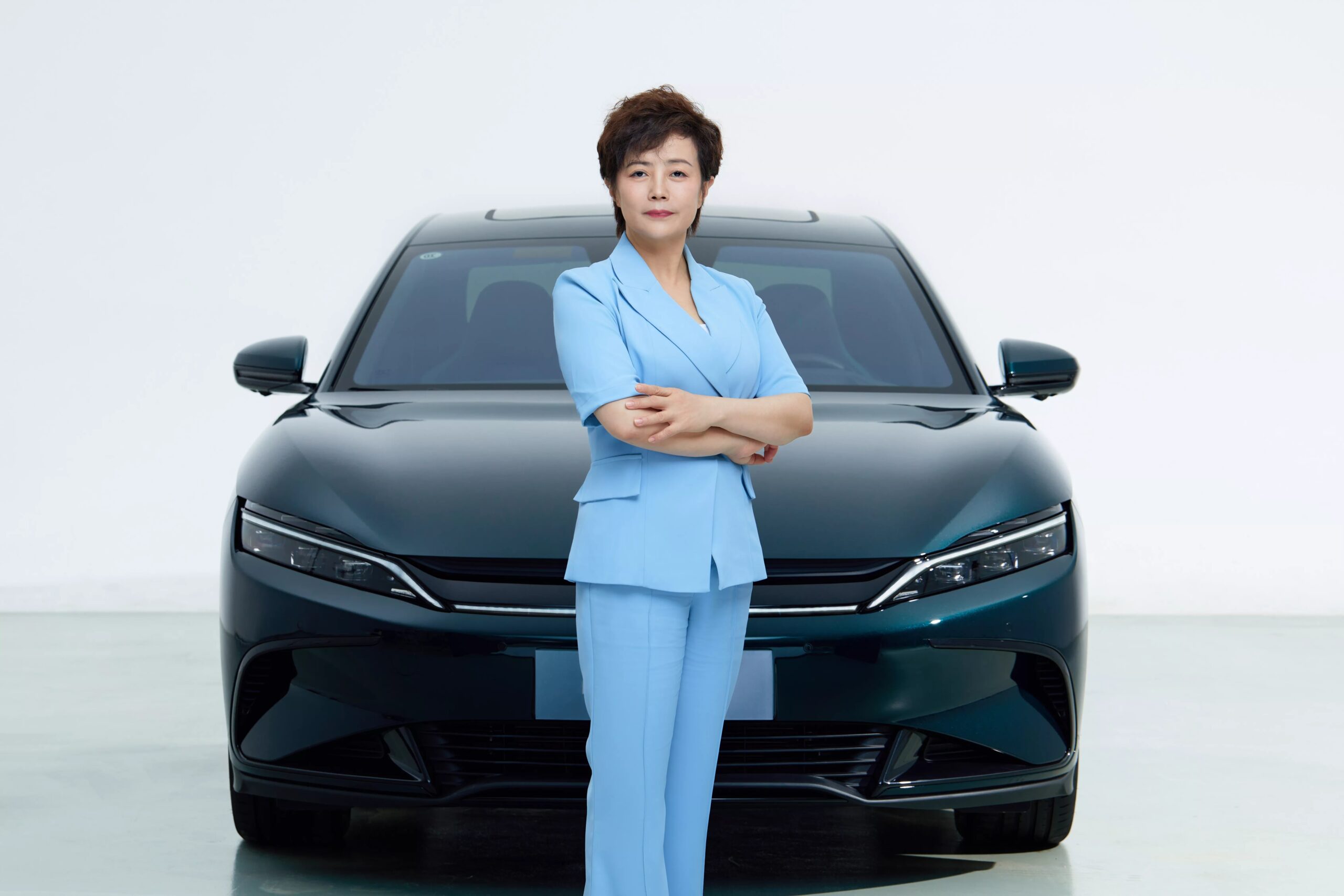
For Stella Li, Executive Vice President of BYD and CEO of BYD Americas, Europe, Middle East and Africa, that is where the real work begins. “Building a great company wasn’t enough. You had to build a great brand,” she told Communicate.
The company already has the technology story. BYD has 120,000 R&D engineers and files 52 patents per working day, according to Li. But technology, on its own, rarely creates emotional loyalty.
That is the same challenge facing many technology companies today. Having the smartest product does not automatically mean becoming the brand people choose, recommend or aspire to own.
BYD’s answer is to make technology feel less like technology. “We blend it with the local culture,” Li explained, describing how the company approaches different markets. “We integrate art and culture history into the car, into the technology.”
It is a subtle shift. Instead of simply talking about batteries, charging speeds and engineering, BYD wants consumers to think about experiences.
A car that can become an entertainment space. A personal assistant powered by AI. A place where people can work, relax, listen to music or even make coffee.
“The car is no longer just transportation,” Li said. “It’s your mobile office, it’s your own private space.”
It is a positioning move that reflects a wider change happening across categories. Consumers are increasingly not buying products based only on what they do. They are buying how those products fit into their lifestyles.
The smartphone became a camera, wallet and entertainment device. The home became connected. Now the car is becoming another digital environment.
For BYD, the Middle East is an important market in that transition.
Li believes the UAE and Saudi Arabia, alongside markets including Qatar and Kuwait, are particularly suited to the company’s technology-led approach because consumers in the region are open to innovation and new experiences.
“The Middle East will be a very important market for us,” she said.
The region also offers an interesting backdrop for a company trying to build a future-focused brand. The UAE’s ambition around AI, smart cities and emerging technologies has created an audience that is often willing to experiment with what comes next.
But Li is clear that BYD does not want to be defined only as a car company.
“We’re not just a car company,” she said. “We are the leader for battery storage, electric buses, electric trucks… we have the whole ecosystem around us.”
That wider technology ecosystem is central to BYD’s global story. The company wants consumers to see the brand as representing a broader technology platform, not just a vehicle manufacturer.
The marketing challenge is whether consumers will make that leap.
Legacy automotive brands spent generations building emotional connections. BYD is trying to accelerate that journey through innovation, experience and storytelling.
“My target is more on the brand side,” Li said. “I need to build up that this is the most wonderful, exciting brand in the world and make people fall in love with the brand.”
That may be the real battleground for the next era of mobility.
The companies that win will not only be the ones that create the fastest cars or the smartest technology. They will be the ones that turn innovation into something people can connect with.