In today’s marketplace, relevance can often feel fleeting. Consumer preferences evolve rapidly, technology transforms the way we shop, and trends emerge and disappear faster than ever before. For heritage brands, the challenge is not simply keeping pace with change but doing so without losing sight of the values and identity that have defined the business for generations.
For businesses with decades or even centuries of history, longevity alone is no longer enough. Heritage may establish credibility, but it does not automatically secure future success. Every generation arrives with different expectations, lifestyles and values, requiring established brands to continually reinterpret their legacy in ways that feel meaningful today.
Perhaps the greatest challenge facing heritage brands is making history relevant to younger consumers. Millennials and Gen Z are not necessarily drawn to a brand simply because it has existed for over a century. Instead, they are looking for authenticity, transparency and purpose. They want to understand the story behind a brand, but they also expect that story to evolve. Authenticity today is not about preserving tradition unchanged; it is about demonstrating how enduring values continue to shape modern experiences.
This is particularly relevant across the Middle East, where the region’s demographic landscape continues to evolve. Alongside a young local population, the GCC has become home to an increasingly diverse international community. Professionals, entrepreneurs and families from around the world are bringing different cultural influences, lifestyle expectations and purchasing behaviours. Heritage brands therefore face the opportunity and responsibility of balancing global inspiration with a deep understanding of regional culture, creating products and experiences that resonate across generations and nationalities.
Today’s consumers also expect much more than exceptional products. They increasingly value personalization, sustainability, convenience, intelligent technology and seamless service. The brands that succeed are those that combine craftsmanship with innovation while remaining consistent in the principles that define them.
For heritage businesses, innovation should never mean abandoning what made the brand successful in the first place. Instead, it should strengthen those foundations.
At Sedar Global, craftsmanship and personalized customer service have remained constant for more than 130 years. The way customers experience those values, however, has naturally evolved. Virtual reality visualization enables clients to explore bespoke interiors before making decisions, while smart shading solutions developed with Somfy integrate technology, energy efficiency and comfort into contemporary homes. These innovations do not replace the human expertise customers value; they enhance it.
The customer journey itself has also transformed. Consumers increasingly expect to communicate with brands through platforms such as WhatsApp, receive faster responses and enjoy shorter lead times from consultation to installation. Convenience is no longer defined by location alone but by how effortlessly a brand can deliver a personalized experience without compromising quality. For heritage businesses, embracing these expectations is no longer optional; it is essential to remaining relevant.
Lifestyle changes are also reshaping entire product categories. Across the Middle East, the growing popularity of indoor-outdoor living reflects changing ways people use their homes. As architectural design has evolved, outdoor spaces have become year-round extensions of interior living, creating demand for solutions such as pergolas, awnings and advanced shading systems. For heritage brands, expanding into adjacent categories should not be viewed simply as diversification but as a natural response to how customers’ lives continue to change.
Sustainability has become another defining expectation, particularly among younger consumers who increasingly evaluate brands through the lens of longevity rather than disposability. Many consumers now seek products that last longer, can be repaired or refreshed, and reduce unnecessary waste. In response to this shift, services such as furniture reupholstery have gained renewed relevance, allowing customers to preserve well-crafted pieces rather than replace them. It reflects a broader movement towards thoughtful consumption and demonstrates how heritage businesses can adapt without compromising their values.
Personalization has become equally important. Today’s consumers are less interested in owning identical products and more focused on creating homes that reflect their own identities. Social media has accelerated this shift by exposing people to diverse design influences from around the world, but inspiration alone is no longer enough. Consumers increasingly look to trusted brands to help translate ideas into spaces that feel personal rather than simply fashionable.
For heritage brands, this often means combining established craftsmanship with greater creative flexibility. At Sedar, collaborations with internationally recognized names such as The Metropolitan Museum of Art and H&M Home, alongside bespoke printing capabilities that allow customers to create wallpapers, curtains and furnishings from personal artwork or photography, reflect this wider movement towards individual expression.
Ultimately, the future of heritage brands will be defined not by how long they have existed, but by their ability to remain relevant while staying true to their identity. Consumers value history, yet they also expect brands to reflect contemporary lifestyles, embrace meaningful innovation and demonstrate values that extend beyond tradition. The brands that endure are those that understand what should remain constant, what must evolve, and how authenticity is reinforced over time, building lasting trust not only with existing customers, but with the generations that will shape their future.
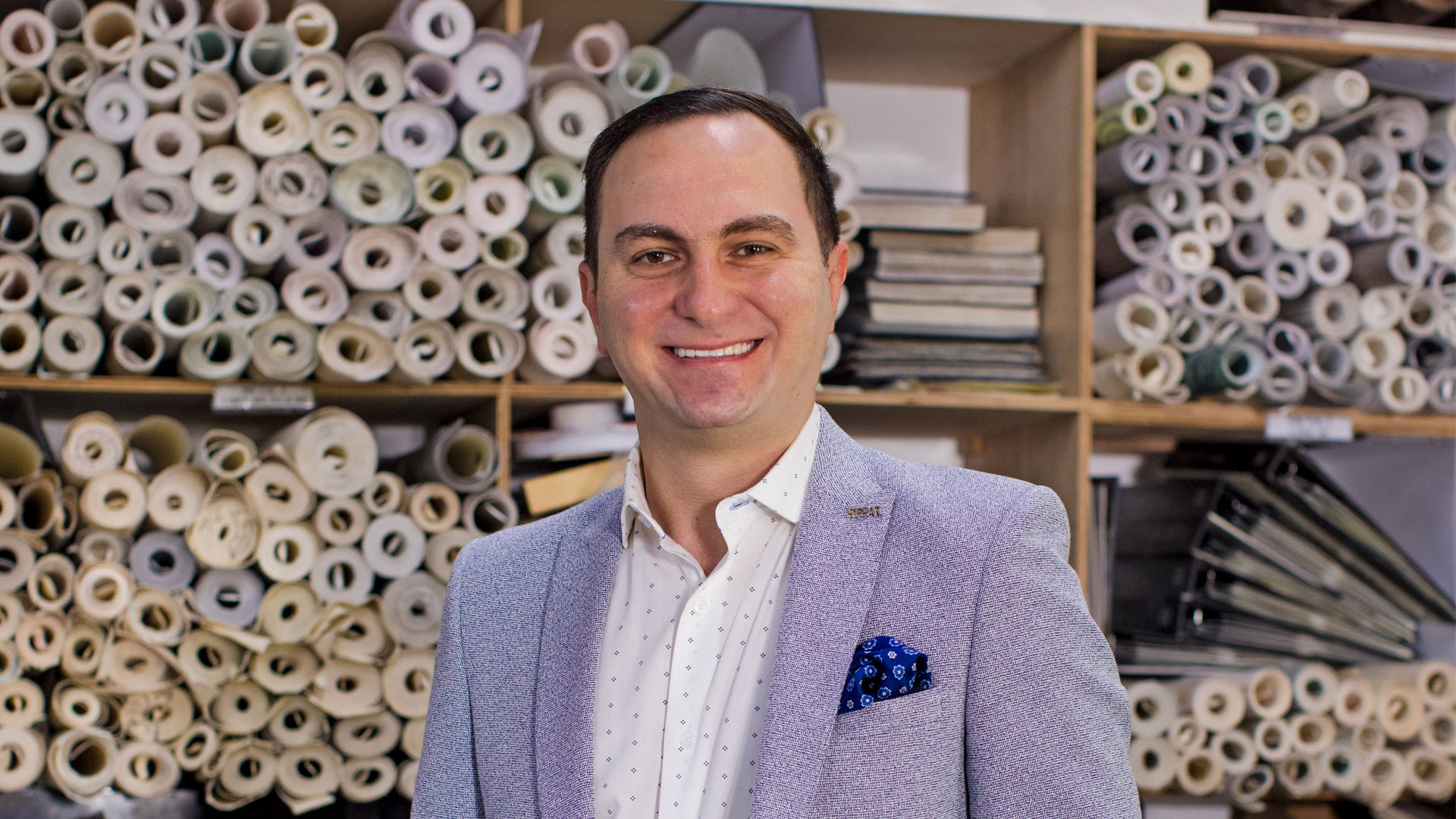
(Rami Selo is COO of Sedar Global)