They say AI is taking the juniors’ jobs. What it is really taking is the practice that made juniors senior. Now it’s our responsibility to replace it.
When I was a student at Ohio State, I worked part-time selling early Macintoshes at a retailer in Columbus. I didn’t know it then, but I was selling the machine that would eventually empty the paste-up room. Within a few years, those rooms disappeared from agencies. The craft didn’t die. It moved into the art director’s chair, and the apprenticeship changed with it.
We’re at the same moment again, with one difference. Last time the machine took the hands. This time it’s taking the practice.
Everyone senior in this business learned judgment through practice, and practice means repetition. No footballer learns to read a game from a coaching manual. They learn it from thousands of touches in training, what athletes call reps, until the right decision becomes instinct. For creatives, the reps were hundreds of bad layouts, scripts killed in review, headlines rewritten at midnight. Strategists learned by writing briefs nobody read, account managers by writing contact reports and sitting through client calls that went wrong. Nobody valued the grunt work, but that’s where taste and judgment were built, one decision at a time.
Junior work was never valuable only for its output. Part of what agencies paid for was the creation of future judgment. Today AI can produce forty routes in an afternoon. The risk is not simply that fewer juniors are hired but that the ones we do hire spend less time doing the work that used to make them senior.
In a preliminary MIT study, people writing essays without tools showed the strongest neural connectivity. When that group was later given an LLM, they showed higher memory recall and renewed neural engagement than participants who had started with the machine. And the people who most need the practice are often the most tempted to start there. The sequence matters: brain first, machine second.
Aviation learned the cost of getting this wrong. In 1983, the psychologist Lisanne Bainbridge described the paradox: automation leaves humans responsible for abnormal situations while depriving them of the practice needed to handle them. Aviation has since treated manual flying as a skill that must remain part of training. Most agencies are doing the opposite, banking the savings from junior production instead of reinvesting them.
Chess shows the other path. Chess engines compressed the apprenticeship rather than killing it. Viswanathan Anand once observed that experience that took young players years to accumulate could now be gathered in months. The software gives them more positions, more opponents and more feedback than any previous generation had. But when the tournament starts, the machine disappears. The player still has to choose.
That’s what an apprenticeship looks like now. A junior starts with an idea of their own and uses AI to stretch it forty different ways. The job isn’t to accept the output but to choose. They keep three, kill thirty-seven, then stand before a creative director and defend the one they believe in. Every one of those decisions is a rep, and a junior working this way can get more of them in a week than most of us got in months. Used like this, AI doesn’t replace the practice. It multiplies it. But at some point, they still have to make the call without the machine.
None of this happens by default. The tools will make our juniors faster whether we act or not. If judgment is becoming more valuable, we can’t automate away the system that produces it. Keep hiring juniors, then rebuild the apprenticeship around choosing, not making.
AI isn’t taking the junior’s job. It’s taking the reps, and our job is to give them back.
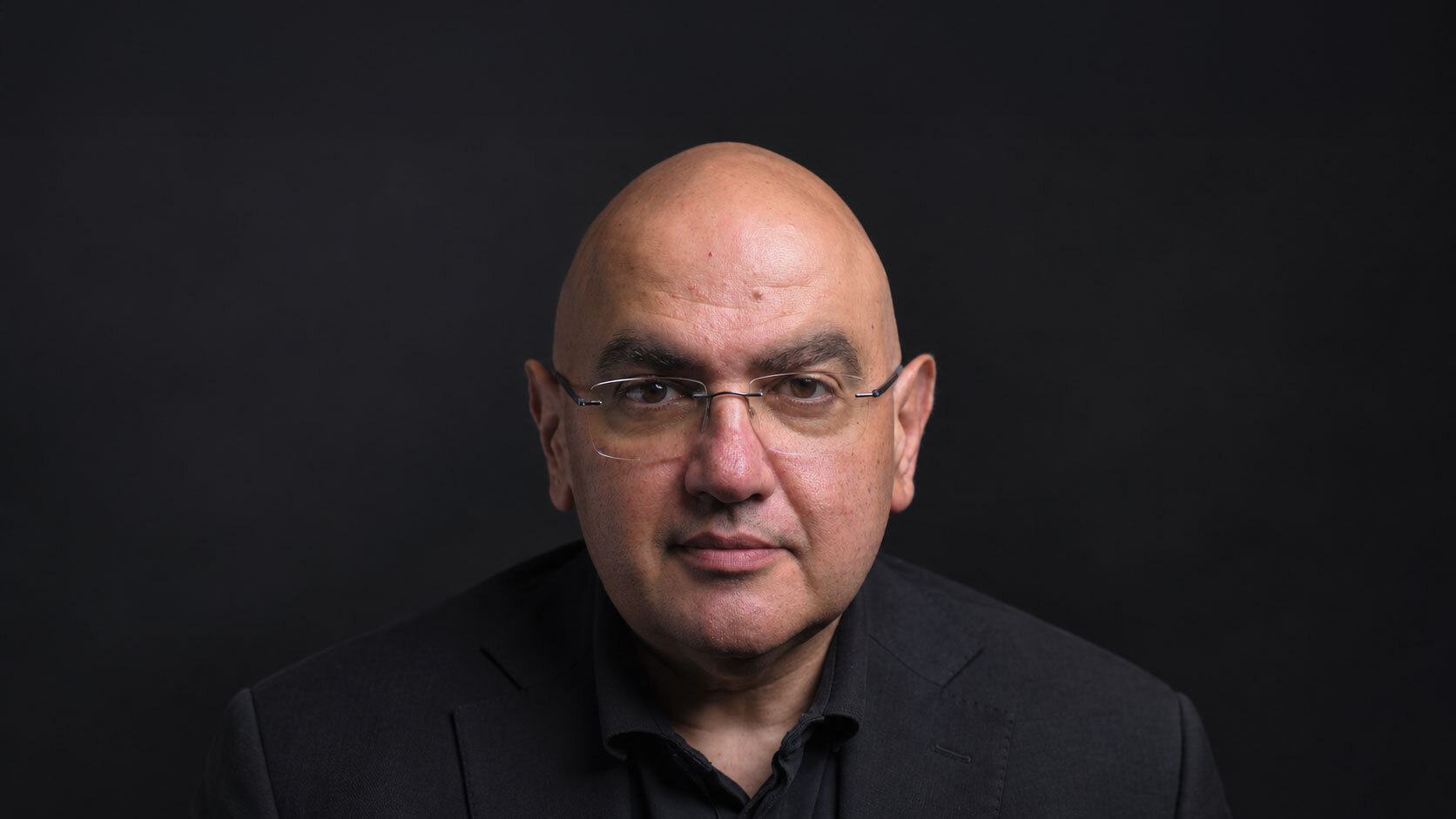
(Ghassan Kassabji is, CEO of Impact BBDO Group Dubai, Chief Growth Officer MENA)