A few years ago, a media plan could stand on reach and frequency alone. A brand booked spots, a media owner delivered impressions, and everyone reported back on GRPs. That conversation has quietly ended. Sitting across the table from advertisers and agencies across the region today, the first question is rarely “how many people will see this.” It’s “what will this do for my business.” That single shift in language is reshaping how media owners across the Middle East need to operate.
A Market Too Big to Sell on Inventory Alone
The numbers explain the urgency. According to IAB MENA’s 2025 Digital Adspend study, digital advertising expenditure across the region reached $8.185 billion last year, up 17.8% year-on-year, making MENA the fastest-growing digital ad market in the world and keeping it among the top five in EMEA by spend. Saudi Arabia is the market to watch most closely: it alone accounted for roughly 46.1% of total MENA digital ad spend in 2025 and grew 18.9% year-on-year, according to Algrowise’s analysis of the IAB MENA data, cementing its position as the region’s single largest and most sophisticated digital advertising market. That trajectory shows no sign of slowing: a separate Q1 2026 market forecast puts Saudi Arabia’s digital ad spend at $4.01 billion in 2025, rising to $4.68 billion in 2026, a projected annual increase of 16.8%. Social advertising climbed 19.3% across the region, with social video up 23.6%.
Growth at that pace should be reassuring. In practice, it has made the job of a media seller harder, not easier. When budgets were scarce, advertisers accepted broad promises. When budgets are abundant and fragmented across dozens of platforms and formats, every cost has to justify itself against the next best alternative. Analysis of the 2025 IAB MENA data has noted that CMOs are increasingly speaking in the language of their CFOs, judging media investment against revenue contribution, return on ad spend and category share rather than reach alone. Channels that cannot demonstrate that link are gradually losing ground to those that can.
This is the real story behind “solution selling.” It isn’t a rebrand of the sales pitch. It’s a recognition that inventory is now a commodity, and value has moved to whatever sits around it: audience insight, collaborative planning, measurement, and the ability to prove that a partnership moved a business metric that mattered.
What “Proof” Actually Means Now
Ask ten advertisers in the region what good measurement looks like and you’ll get ten different answers, and that’s precisely the problem industry bodies have been trying to solve. This year’s IAB MENA report pointed to a market still constrained by limited attribution and cross-media measurement, even as spend accelerates. The ambition is clear: standardised, comparable metrics across CTV, retail media, audio and programmatic DOOH, so a campaign’s contribution can be judged on the same terms regardless of where it ran. We are not there yet region-wide, but the direction of travel is unmistakable, and it is advertisers, not media owners, setting the pace.
What This Looks Like in Practice
A recent partnership with Americana illustrates the shift, and this time the campaign was built digital-first from the outset rather than adapted for it afterwards. Rather than running a conventional media buy, we built the brand a tailor-made digital show: a 30-episode series presented by Chef Kholoud, centred on hands-and-pans cooking content and extensive behind-the-scenes footage, backed by interactive, gamified posts and stories, alongside Americana’s spots running on Fatafeat. The format let the brand live inside content its audience was already choosing to watch, rather than interrupting it. Success here was judged on a combination of hard digital performance metrics, including episode views, completion and engagement rates across the series and its behind-the-scenes content, and interaction rates on the gamified posts and stories, alongside softer brand indicators such as the strength of Americana’s association with Chef Kholoud and with trusted, expert-led cooking content.
That combination is the point. Sales data alone cannot tell an advertiser whether a campaign built lasting brand equity, and brand-tracking alone cannot tell them whether it moved product off shelves. Judging the two together, against a framework agreed before the content aired rather than assembled afterwards to justify the spend, is what turns “we reached your audience” into “here is what that reach actually did for your brand.” It is a small, specific example of a much larger shift: advertisers no longer separating what a campaign felt like from what it delivered, and expecting their media partners to report on both in the same breath.
How Media Owners Earn the Right to Be Trusted
Demonstrating effectiveness credibly means resisting the temptation to mark your own homework. It means working with independent measurement partners, being transparent about what a metric can and cannot tell an advertiser, and being willing to show underperformance as readily as success. It means investing in first-party data and cross-platform measurement infrastructure before a client asks for it, not after. And it means treating a media plan as a shared hypothesis to be tested, rather than a fixed order to be fulfilled.
A Shift the Whole Industry Must Own
None of this is unique to one media owner or one advertiser category. It is a regional inflection point. MENA’s advertising market is growing faster than almost anywhere else in the world, but growth alone will not build durable trust between brands and the platforms carrying their message. Trust will be built by media owners who treat measurement and accountability as core to the offer rather than an afterthought, and by advertisers willing to share the data that makes shared proof possible. The industry has spent the last decade arguing about who owns the numbers. The more useful conversation for 2026 is what those numbers should actually be used for: better decisions, made faster, by both sides of the table. The media partners who embrace that shift now will be the ones advertisers keep choosing when the next budget cycle begins.
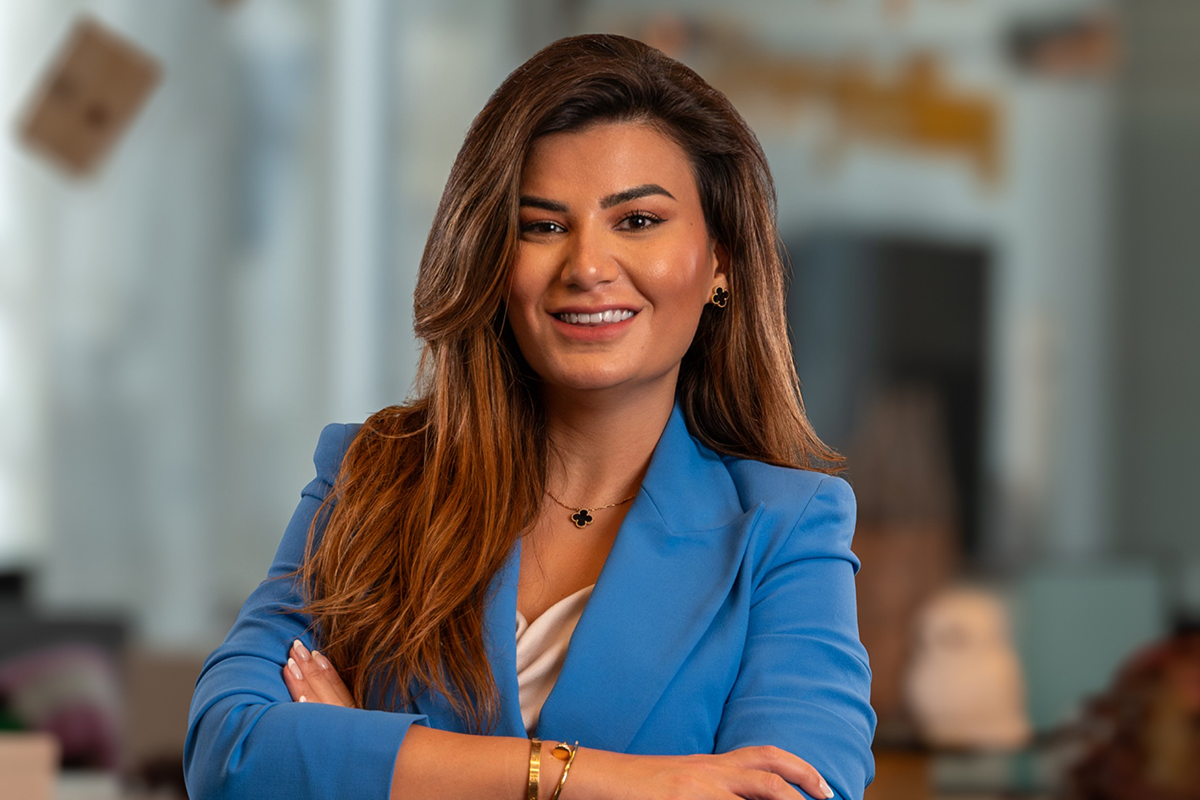
(Layla Tamim is Director of Ad Sales, MENA at Warner Bros. Discovery)