Amel Osman
Transformation without communications is corporate vandalism dressed up as strategy. It takes decisions made in boardrooms, drops them into organizations without context, and then acts surprised when trust fractures, managers improvise and employees decode the future through rumor. No serious leadership team should treat communications as the last mile of change. It is the control room. This matters acutely in the GCC, where change is not a campaign; it is the operating environment. In H/Advisors’ YouGov study of 622 senior leaders, 75% said the pace of change had accelerated over the previous year, and 82% expected the scale of change initiatives to increase again. In the UAE, the pressure is sharper: 87% reported acceleration and 95% expected further intensification. The World Bank’s latest Gulf Economic Update points in the same direction, highlighting the Gulf’s rapid digital transformation, AI adoption, and 5G coverage exceeding 90% across GCC countries. In May 2026, an ILO/ESCWA report found that hiring into AI-skilled roles grew 29% faster than overall hiring in Saudi Arabia and 25% faster in the UAE in 2024.
Yet many organisations still invite communications after the decision has been made, the timeline locked, the leaders briefed and the employee impact half-understood. That is not efficiency. It is negligence. There are three moments in transformation where a communications lead must be at the table. The first is technology and AI adoption. Too many leadership teams mistake implementation for adoption. A platform can go live while belief stays offline. Communications defines the “why” in human terms, connects the technology roadmap to business ambition, anticipates fears before they harden and gives managers the confidence to explain what changes, what stays true and what support exists. HR may design training, policy and workforce support, but communications makes those commitments understood, trusted and acted on. The job is not to announce a tool. It is to move people from anxiety to agency.
The second is strategic or operating-model change. When organizations enter new markets, integrate functions, redesign processes, or shift priorities, employees do not experience “strategy”; they experience disruption to decisions, routines, reporting lines, and identity. H/Advisors’ research is blunt: poor planning or unclear change strategy is the biggest barrier to successful change, cited by 34% of leaders as a top three concern. Lack of employee understanding and buy-in follows at 31%, while inconsistent or unclear communication also stands at 31%. The lesson is uncomfortable for senior teams: people do not resist progress. They resist opacity. A communications lead forces leadership to answer the questions employees will ask anyway: Why now? Why this? What does success look like? What do you need from me? What happens next?
The third is change under external pressure. The World Economic Forum’s 2026 Global Risks Report ranked geoeconomic confrontation as the top near-term global risk, with 18% of respondents viewing it as the risk most likely to trigger a global crisis in 2026, and 68% expecting a more multipolar or fragmented order over the next decade. For organizations, that means strategy will increasingly be rewritten by forces outside the annual planning cycle. In those moments, communication is not a press function. It is a discipline of coherence. It ensures investors, employees, customers, regulators and partners are not hearing five different versions of the same organisation. It turns uncertainty into a narrative people can work within.
The mistake is to think communications begins with the message. It begins with the decision. A strong communications lead will challenge whether the rationale is clear, whether leaders are aligned, whether managers are equipped, whether HR language is humane and practical, whether feedback channels are real, and whether the organization is ready to sustain clarity after launch day. This is why the old cascade is insufficient. Change does not land in one town hall. It lands through repetition, manager conversations, policy detail, visible leadership behavior, two-way listening, and the credibility of every promise made.
Senior leaders should be especially wary of underinvestment. The H/Advisors study found that 95% of leaders say communication contributes strongly to successful change, yet the top budget challenge is that investment flows first to operational and technical delivery. This is how transformation programmes become eloquently engineered and badly believed.
The question is not, “What do we say when the plan is final?” The question is, “What must people understand, believe, and do at every stage for the plan to work?” Communications does not embellish transformation; it determines whether transformation can be understood, trusted, and sustained across the organization.
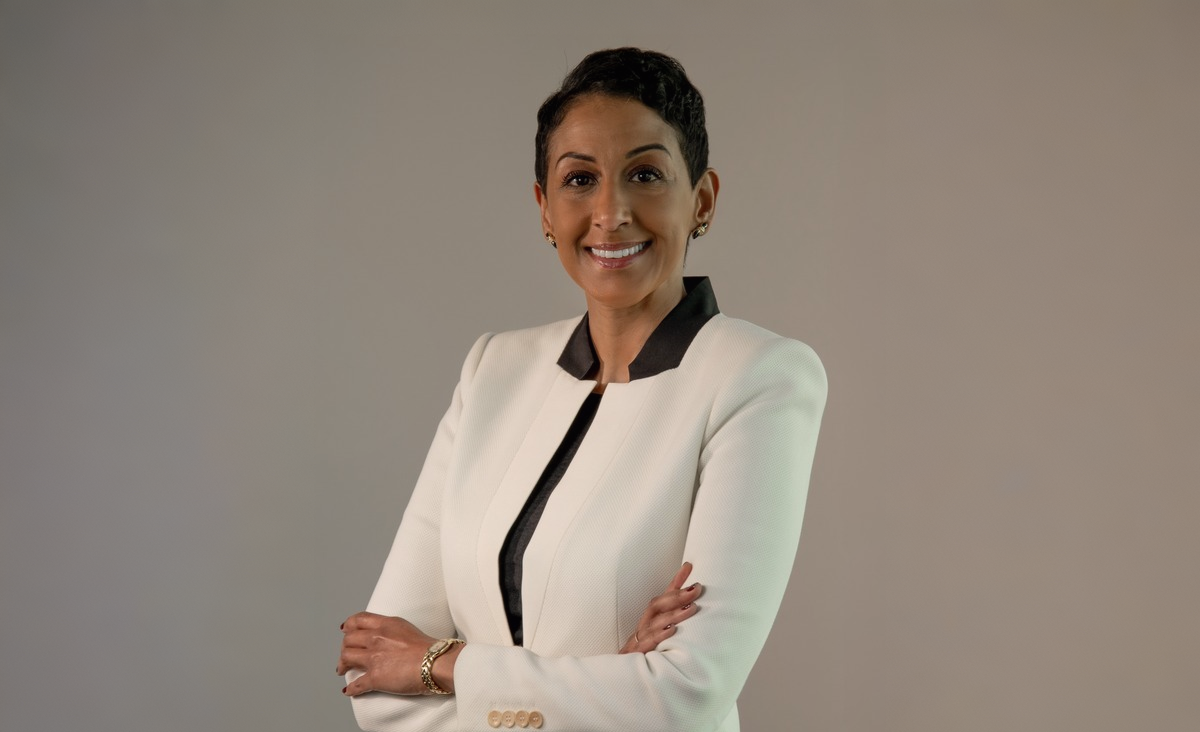
Amel Osman is the Managing Director, H/Advisors Middle East