Retail spending in the United Arab Emirates during Ramadan is shifting into multiple daily windows, with shoppers concentrating purchases after sunset and around midday, while spending per transaction rises, according to new data from Fortis.
The software platform said average order value (AOV) has increased by about 10% compared with the pre-Ramadan period, suggesting consumers are spending more per purchase even as transactions cluster into shorter bursts.
The findings come as the UAE’s Ramadan retail economy expands to an estimated $16.4 billion this year, reflecting broader growth in seasonal consumption. Previous estimates by Redseer Strategy Consultants put Ramadan retail sales close to $10 billion last year, up about 9% year-on-year.
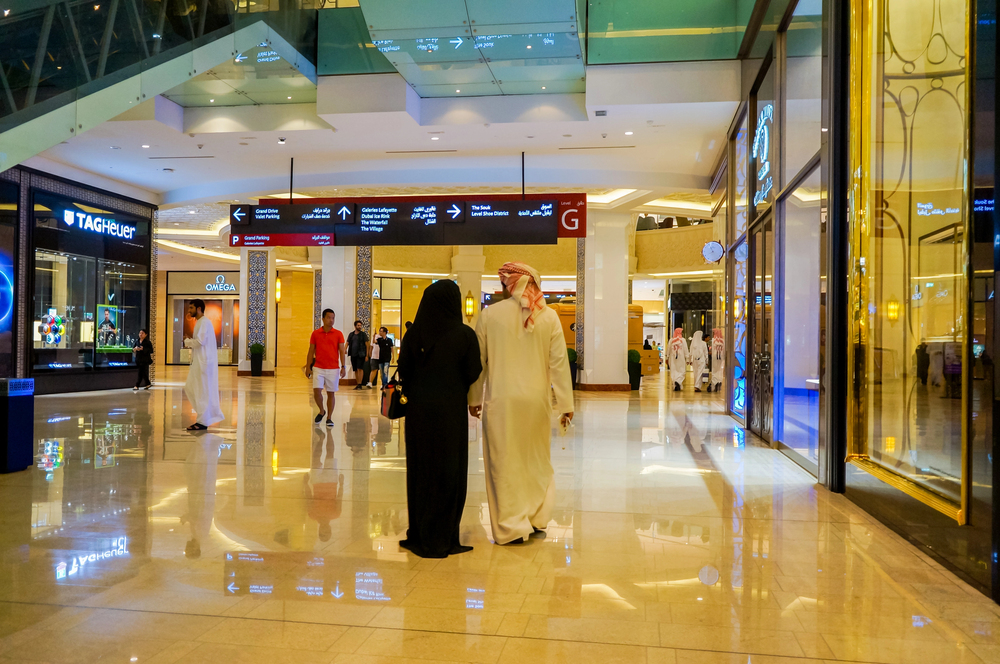
Fortis data shows the strongest surge in transactions occurs between 9 p.m. and 11 p.m. following Iftar, when families and friends typically visit malls and neighborhood stores. A secondary peak emerges between 12 p.m. and 2 p.m., as consumers make quick daytime purchases before fasting hours resume.
“Our retail data reveals a fundamental shift in the shape of the retail day this Ramadan,” said Ahmed Sameh, chief marketing officer at Fortis. “Consumers are shopping in short, highly motivated bursts, and businesses that align operations with these windows are benefiting the most.”
Industry data indicates late-night spending often extends well beyond midnight during Ramadan, with online activity also rising after Iftar as shoppers browse and purchase across digital platforms.
Despite fewer transactions in some cases, higher basket values point to a preference for premium goods and occasion-driven purchases, including gifts and curated bundles, Sameh said.
Category trends show fashion, particularly modest wear such as abayas, leading growth, with demand peaking on weekends ahead of social gatherings and Eid celebrations. Meanwhile, wellness and active living are gaining traction, with sports and fitness equipment sales rising about 10% in the first week of Ramadan.
The data also highlights increasingly omnichannel behavior, as consumers combine in-store visits with online browsing and click-and-collect services within the same evening.
Retailers that synchronize staffing, inventory and promotions with post-Iftar and midday peaks, while integrating digital and physical channels, are best positioned to capture demand during the holy month, Fortis said.