Every year, the Met Gala is framed as fashion’s biggest night out, a spectacle of celebrity, art, and excess staged inside the Metropolitan Museum of Art. But beneath the flashbulbs and Western fashion houses, a quieter shift has been underway: Arab designers are increasingly shaping the visual language of the red carpet.
The 2026 edition, themed “Fashion Is Art,” reinforced that shift. The event itself—held annually to raise funds for the Costume Institute—has evolved into a global platform where fashion is treated as artistic expression rather than mere clothing. That framing plays directly into the strengths of Arab couture.
From Beirut ateliers to global red carpets
For decades, designers like Elie Saab and Zuhair Murad built a reputation for intricate, highly embellished gowns that combine craftsmanship with theatricality. What was once considered “red carpet glamour” has now become central to the Met Gala’s aesthetic.
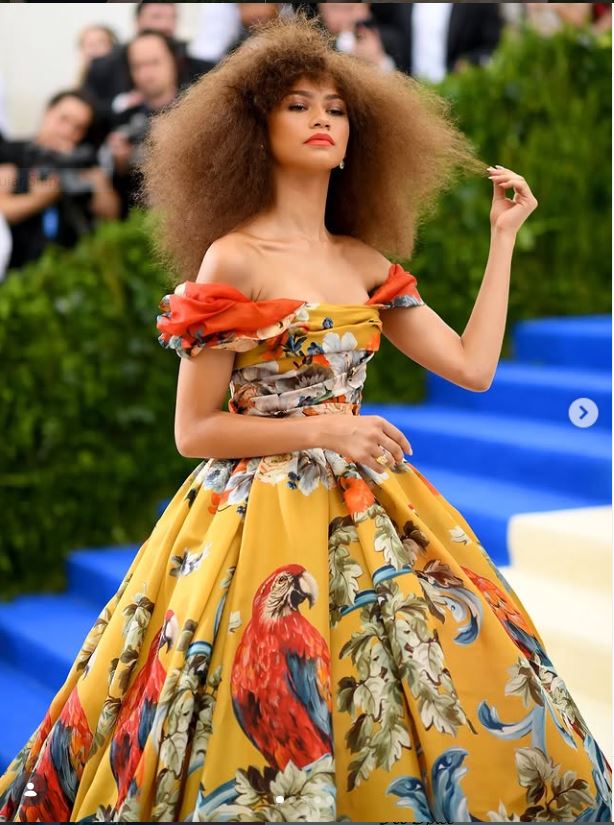
Publications like Vogue Arabia have repeatedly documented how Arab designers have dressed some of the most memorable attendees, underlining their long-standing influence on the event’s visual identity. What has changed in recent years is not just visibility—but centrality.
The 2026 red carpet: Arab design in focus
This year’s guest list made that influence tangible. British actor Emily Blunt arrived in a sharply tailored look by Saudi label Ashi Studio—a black lace corset paired with wide-legged trousers, elevated by dramatic body jewellery featuring pearls and diamonds. The look distilled what Arab couture does best: structure, detail, and a sense of performance.
The Saudi house appeared again on Swiss jewellery designer Sabine Getty, whose hand-painted bodice—referencing classical painting—blurred the line between garment and canvas. It was paired with a shredded tulle skirt, reinforcing the Gala’s “fashion as art” thesis.
Elsewhere, Palestinian-Canadian artist Samar Hejazi wore a sculptural look by Zaid Farouki, featuring a stitched leather bodice and exaggerated hips—an example of how Arab designers are also pushing conceptual boundaries, not just embellishment.
Even beyond the Arab world, the aesthetic language of couture craftsmanship dominated. American model Jasmine Tookes wore a hand-embroidered look by Sophie Couture, a brand showcased at Arab Fashion Week in Dubai, while Moroccan-Egyptian-Dutch model Imaan Hammam brought global visibility to the red carpet.
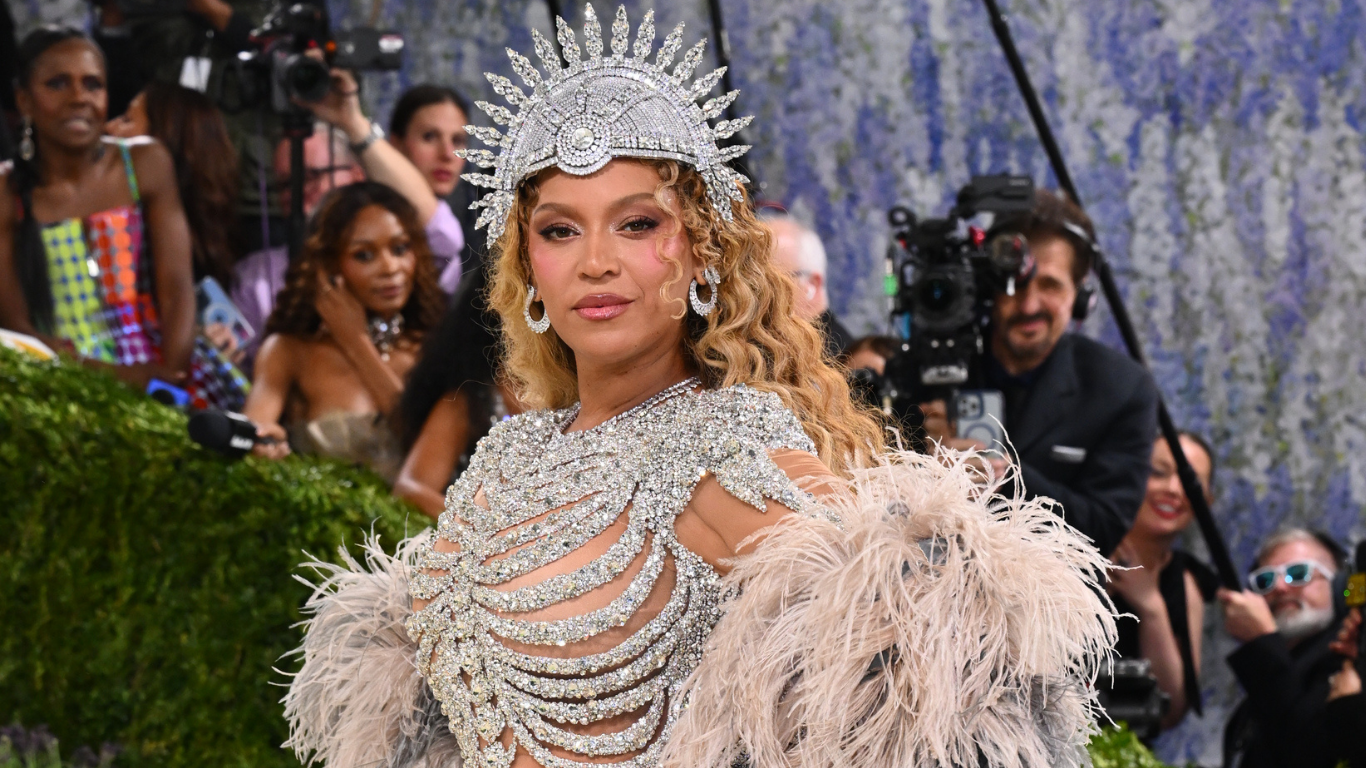
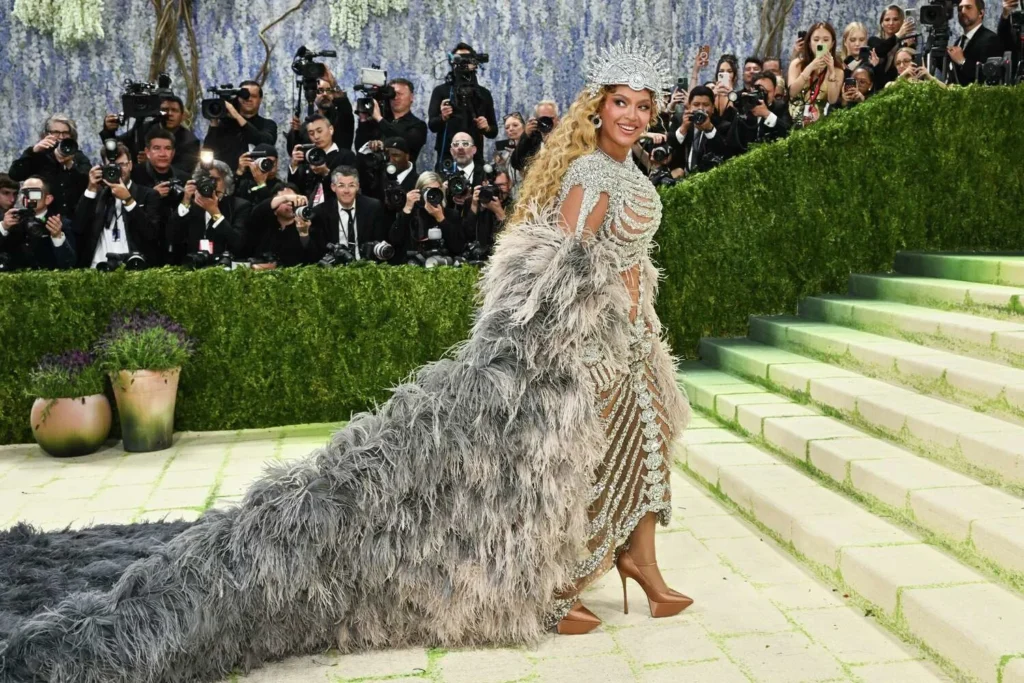
The broader red carpet—featuring stars like Rihanna, Nicole Kidman, and Beyoncé—leaned heavily into spectacle, reinforcing a shift toward high-concept dressing that aligns closely with Middle Eastern couture traditions.
The GCC moment: Saudi couture goes global
The clearest signal of this shift is the rise of Mohammed Ashi, founder of Ashi Studio. His growing presence on global red carpets reflects a broader ecosystem shift. With Saudi Arabia and the UAE investing heavily in fashion, culture, and creative industries, couture is becoming part of a wider soft-power strategy—exporting not just garments, but cultural influence.
Ashi Studio’s sculptural, often architectural designs align seamlessly with the Met Gala’s emphasis on fashion as art—making it a natural fit for the event’s evolving identity.
The 2026 red carpet leaned into craftsmanship, archival references, and dramatic silhouettes—an approach that mirrors the design philosophy of Middle Eastern couture houses. From hand embroidery to architectural structuring, these elements translate powerfully on a red carpet that rewards visual impact.
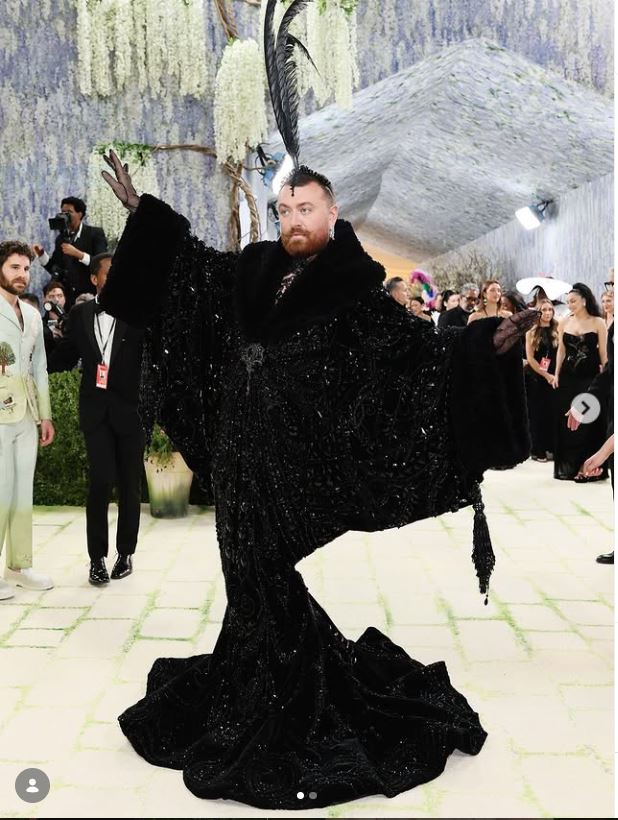
This was visible not just in Arab-designed looks, but in the broader aesthetic of the night. Indian businesswoman Isha Ambani, for instance, wore a gold sari adorned with more than 200 old-cut diamonds—an example of how global luxury fashion is converging around the same principles of craft, heritage, and spectacle that Arab couture has long championed.
Representation beyond designers
The Arab presence at the Met Gala isn’t limited to ateliers. Figures like Gigi Hadid and Imaan Hammam have helped expand visibility, bringing both heritage and global appeal to the event.
This dual presence—design and representation—has turned the Met Gala into a space where Arab influence is both visible and structural.
The deeper story here is not about individual gowns—it’s about influence.
The Met Gala sits at the intersection of fashion, media, and cultural capital. As Gulf countries invest in fashion weeks, museums, and creative industries, their designers’ growing prominence on this stage reflects a broader geopolitical shift: culture as strategy.
Even the Met itself has increasingly engaged with the region through its Islamic art initiatives—highlighting a longer arc of cultural exchange.
What the Met Gala now makes clear is that Arab designers are no longer occasional contributors. They are shaping the aesthetic, dressing the stars, and influencing how fashion itself is understood—not just as clothing, but as art.