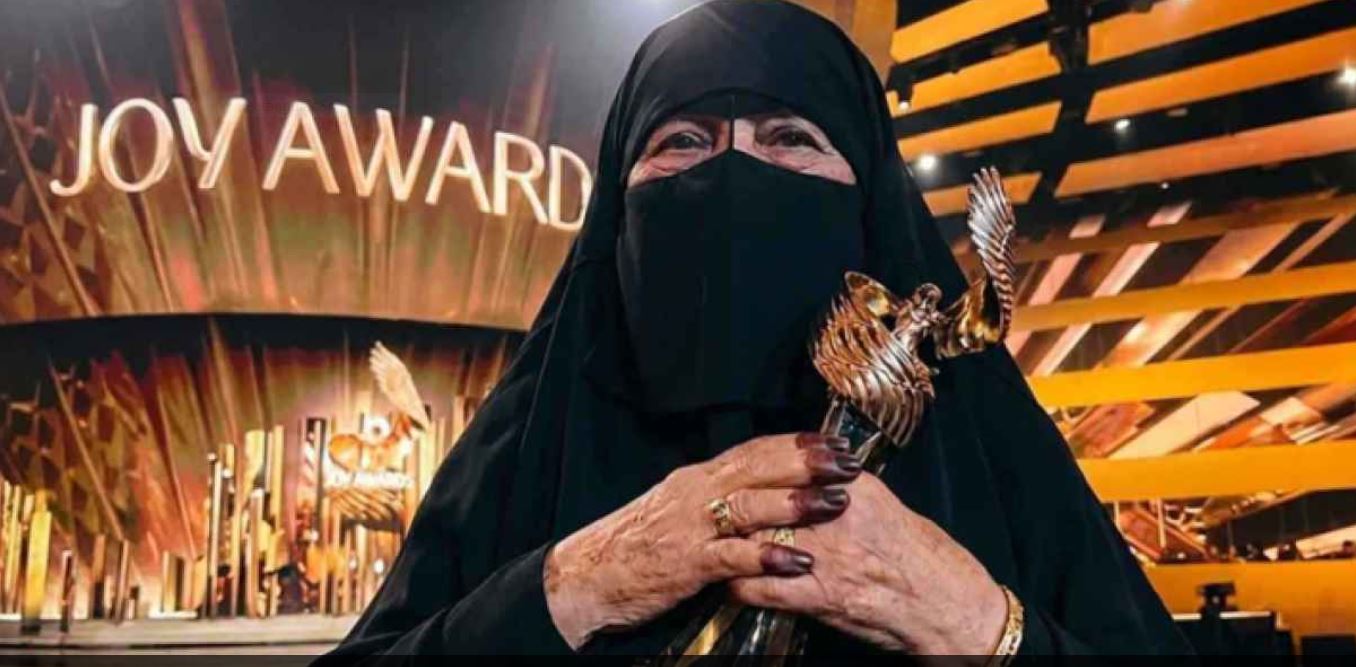
A new digital face has entered the Arab entertainment landscape—and she isn’t human. A recent Instagram post highlights the debut of “Mizna,” widely described as Saudi Arabia’s first AI-generated actress, signalling how rapidly artificial intelligence is reshaping storytelling in the region.
The character—entirely created using generative AI tools—has already sparked widespread discussion across Saudi social media. According to early reports, the persona (also referred to in some discussions as “Aunt Mazna”) represents a fully synthetic performer designed to act, emote, and potentially anchor narratives without the physical constraints of a human actor.
A symbolic moment for Saudi cinema
Saudi Arabia’s film and entertainment sector is itself relatively young but rapidly expanding. For decades, cinema was limited in the kingdom, with restrictions only easing significantly in recent years. Since then, a new generation of actors—including figures like Hind Mohammed and Dina Shihabi—has helped shape a modern Saudi screen identity.
The arrival of an AI actress marks a striking next step. It reflects not just creative experimentation, but also a broader national push toward technological leadership under Vision 2030. Institutions like Humain—a state-backed AI firm—are investing heavily in infrastructure, cloud computing, and Arabic-language AI models to position the kingdom as a global tech hub.
Events such as DeepFest, which draws tens of thousands of participants annually, further underline Saudi Arabia’s ambition to integrate AI across industries, including media and entertainment.
AI meets Arab storytelling
The concept of AI actors is not entirely new. In 2025, the AI-generated character “Tilly Norwood” made headlines in international film circles, highlighting both the creative potential and ethical debates surrounding synthetic performers.
But Mizna’s emergence is particularly significant for the Arab world. Unlike earlier experiments largely rooted in Western production ecosystems, this development is culturally localized—built around Arabic language, aesthetics, and storytelling traditions.
This matters because one of the biggest challenges in AI-generated media has been cultural authenticity. Studies have shown that AI systems can reproduce biases or inaccuracies when trained on non-local data, underscoring the importance of region-specific models.
By creating AI actors tailored to Arab audiences, Saudi creators are attempting to bridge that gap—merging cutting-edge technology with regional identity.
Redefining performance and production
AI actors could fundamentally alter how films and series are made. Unlike human performers, digital actors do not age, demand schedules, or require physical presence. They can be endlessly modified, dubbed into multiple languages, and deployed across formats—from films to advertising to immersive virtual experiences.
For producers, this offers both efficiency and creative freedom. For actors, however, it raises uncomfortable questions about displacement and the future of performance as a craft.
Public attitudes toward AI in Saudi Arabia reflect this duality. While adoption is widespread—one survey found over 90% of respondents using generative AI tools—concerns persist around ethics, job loss, and trust in AI-generated content.
A global shift, with regional stakes
The rise of AI actors is not confined to Saudi Arabia. Hollywood, streaming platforms, and gaming industries are all experimenting with synthetic characters. Yet the Arab world’s entry into this space is notable because it coincides with a broader cultural transformation.
From Riyadh Season’s global entertainment push to the expansion of film production across the Gulf, the region is redefining its cultural footprint. AI is now becoming part of that narrative—not just as a tool, but as a creator.
Mizna, then, is more than a novelty. She represents a convergence: of technology and storytelling, of global trends and local ambition.
If early reactions are any indication, the future of cinema—both in the Arab world and beyond—may not just feature AI behind the scenes, but also in front of the camera.