For years, brands across the GCC have been chasing the same elusive goal: creating work that feels authentically local without slipping into clichés. Today, that challenge has become even more complex. AI can generate content in seconds, creators can amplify campaigns overnight, and almost every brand has access to the same tools.
The real competitive advantage is no longer producing more content. It is creating ideas with cultural depth that technology cannot manufacture. That is where a new generation of artists, designers, architects and cultural practitioners is quietly reshaping the marketing playbook. Rather than being invited in to execute a campaign, they are increasingly helping define the thinking behind it.
TheMENAEdit, a cross-border design collective launching at Cairo Design Week 2026, is one example of that shift. Bringing together 21 creatives from 10 nationalities, the initiative asks participants to co-create original design pieces rather than simply exhibit their own work. While the exhibition is the outcome, the bigger story is what the process reveals about where creativity, branding and collaboration are heading across the region.
Stop decorating campaigns. Start designing them together.
For many years, brands have treated creatives as specialists brought in once the strategy is already written. That approach is beginning to feel outdated.
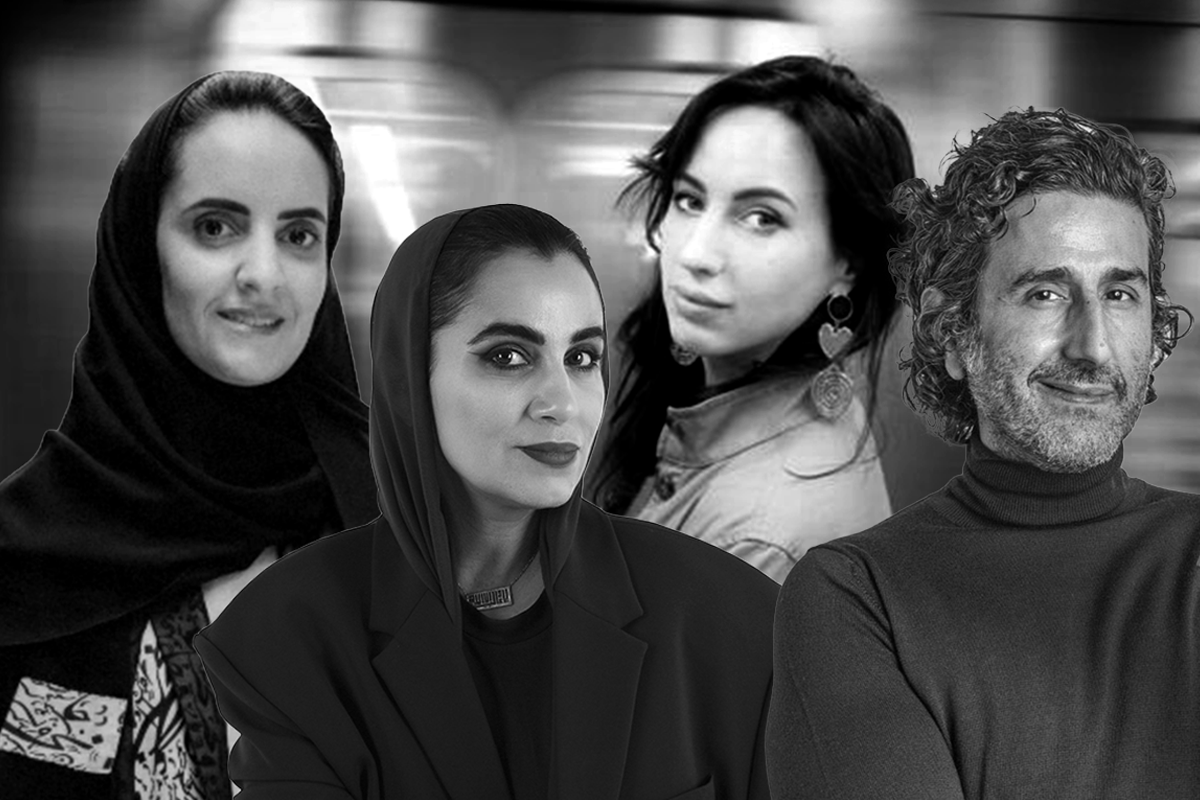
HRH Princess Noura bint Saud Al Saud, Founder and CEO of Rukun and AlMashtal, believes authenticity cannot be added at the end of the creative process. “Regional creatives should not simply be brought in to make something ‘look local.’ They need to be involved early enough to influence the thinking, the story and sometimes even the product or experience itself.”
It is a subtle shift with significant implications. The creative brief becomes less about execution and more about shared authorship. Yasmine Vanda Trofast, Founder of YVT Consultancy and Creative Dialogues, argues that brands need to rethink the relationship entirely. “Brands need to shift from thinking of creatives as vendors delivering a deliverable, to treating them as co-authors of ideas.”
For agencies, that means inviting creative partners into strategy sessions rather than presentation day. For brands, it means recognising that cultural insight is not something that can be added in post-production.
The creator economy is growing up
The creator economy has transformed marketing, but visibility and cultural value are not always the same thing.
Alia Alshamsi, author, multidisciplinary artist and curator, believes brands sometimes confuse short-term engagement with long-term equity. “Collaborations with content creators are often highly effective at driving immediate engagement. However, collaborations with artists, designers and cultural practitioners strengthen brand image, build reputation and cultivate authenticity,” she said.
That distinction matters. A campaign may trend for a weekend. Cultural relevance lasts much longer. The difference often comes down to the relationship itself. “The real value lies in long-term investment, building relationships with creatives and developing genuine collaborative projects.”
Instead of commissioning another campaign, brands have an opportunity to build creative ecosystems around their business. The strongest partnerships are becoming less transactional and far more collaborative.
Great ideas rarely arrive from one department
Anyone who has sat through a brainstorming session knows the danger of groupthink. Sometimes the best ideas appear when people who would never normally work together start challenging each other’s assumptions.
That is exactly what TheMENAEdit is trying to test.
For Trofast, the regional creative economy has been missing one important ingredient. “The MENA creative industry has operated in silos.”
Her ambition is not simply to showcase talent but to create the conditions for collaboration across borders, disciplines and perspectives.
Saudi interior designer Nawaf Nahar Al-Nassar sees a lesson here for every creative agency. “The most meaningful ideas are not born inside a single department. They emerge where writers, designers, strategists, artisans and communities meet.”
It is an observation that feels increasingly relevant as agencies rethink how creative teams are structured. The future may belong less to individual specialists and more to multidisciplinary collaboration.
AI can make content. It cannot create culture.
As generative AI accelerates production, the value of human perspective only becomes more pronounced. Technology can generate thousands of visual concepts. It cannot explain why certain places, objects or traditions carry emotional meaning. As Al-Nassar puts it: “AI can help us create faster, but it cannot explain why an old doorway makes us feel at home.”
That distinction may become one of marketing’s biggest competitive advantages over the next few years. Content is becoming abundant. Meaning is not. The brands that stand out will be those able to combine technological efficiency with cultural intelligence, emotional nuance and genuine collaboration.
The next generation of brands will be built differently
Princess Noura believes the most exciting ideas will emerge where traditional disciplines begin to overlap. “Creativity moves beyond the traditional boundaries of art, design or fashion and begins interacting with science, technology, research, manufacturing and urban development.”
That way of thinking feels increasingly familiar across the region. The most ambitious brands are no longer asking how to make campaigns look more local. They are asking who should be in the room before the campaign even exists.
TheMENAEdit may culminate in an exhibition, but its significance extends well beyond Cairo Design Week. It signals a broader shift in how ideas are being created across the region, because in an age where almost anyone can generate content, the brands that win may not be the ones telling the best stories.