Saudi Arabia is rapidly strengthening its position on the global luxury map, driven by massive investments in infrastructure, heritage restoration, hospitality, and retail developments that are reshaping consumer and investor perceptions of the Kingdom.
Speaking at the Vogue Business Global Summit in France, Diriyah Company’s Chief Retail Leasing Officer, Nermeen Nosseir, said Saudi Arabia’s luxury market continues to demonstrate resilience despite a broader slowdown in global luxury spending.
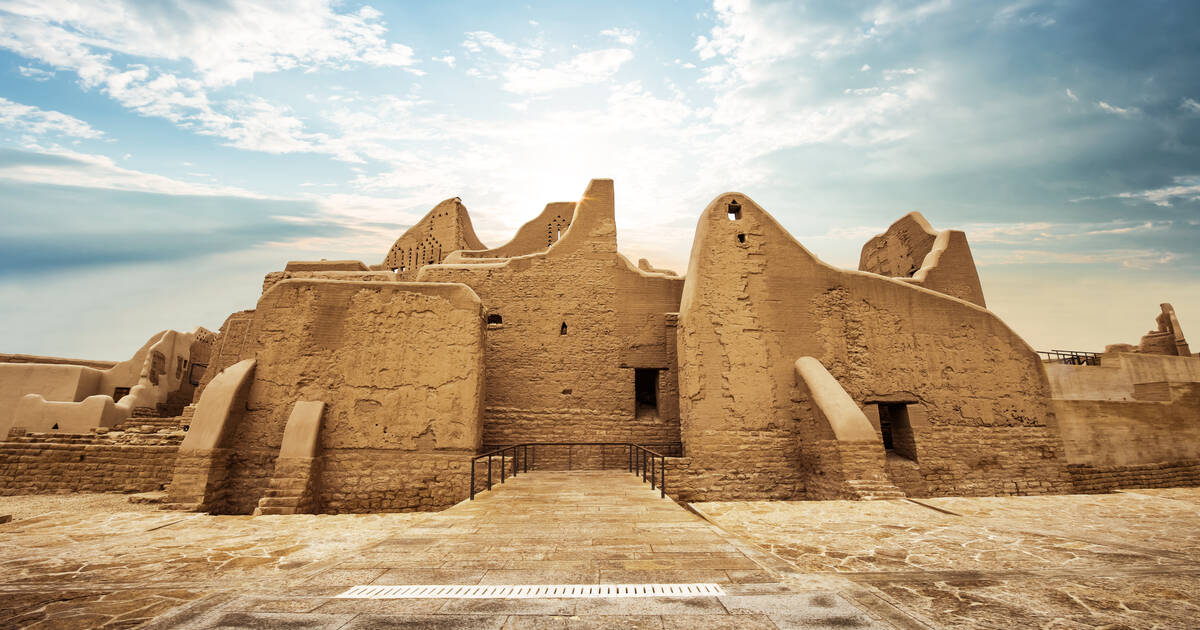
At the centre of this transformation is Diriyah, the historic birthplace of the Saudi state, which is being redeveloped into one of the Middle East’s premier luxury, cultural, residential, and tourism destinations.
Nosseir described the scale of the project as extraordinary, noting that the 14-square-kilometre development is almost the size of Geneva. Unlike newly built cities, however, Diriyah’s appeal is rooted in its rich history and cultural significance.
“Diriyah existed 300 years ago and served as the first capital of Saudi Arabia. Its culture and heritage are embedded in everything we are building,” she said, adding that the development draws inspiration from the UNESCO World Heritage Site of At-Turaif as quoted by Vogue.
The Kingdom’s growing luxury market is being fuelled not only by rising incomes but also by strong domestic spending patterns. According to Nosseir, retail sales during the recent Eid al-Fitr season recorded double-digit growth as Saudis increasingly chose to spend their holidays and shopping budgets within the country.
She attributed the trend to a growing sense of national pride and loyalty among Saudi consumers, who are supporting local economic development while maintaining strong demand for luxury goods.
Industry players are also being urged to understand the distinctive preferences of Saudi shoppers. Nosseir noted that affluent Saudi consumers seek exclusivity, personalisation, and limited-edition products rather than standard luxury offerings.
“They want unique products and bespoke experiences,” she said, quoted by Vogue. “Personalisation through engraving, embroidery and customised materials resonates strongly with Saudi customers.”
Luxury brands are already responding. Italian fashion house Dolce & Gabbana has opened the first luxury retail outlet in Diriyah, featuring the brand’s first D&G Café outside Milan. The store includes collections tailored specifically to Saudi tastes, including designs created for local fashion preferences.
A dedicated luxury retail district known as Raya Square is expected to host many of the world’s leading luxury brands, with several retailers planning stores significantly larger than their traditional flagship outlets.
Saudi Arabia’s luxury ambitions extend beyond retail into hospitality and wellness. Diriyah is expected to feature a collection of high-end hotels and resorts, including properties operated by Baccarat, Four Seasons, Armani, Aman and Six Senses.
Nosseir said the hospitality strategy reflects traditional Saudi values of generosity and hosting, where guests are welcomed with elaborate meals and personalised service.
As the Kingdom advances its Vision 2030 diversification agenda, developments such as Diriyah are becoming key symbols of Saudi Arabia’s efforts to attract international investment, boost tourism, and establish itself as a global destination for luxury retail and lifestyle experiences.
Industry experts believe that while Saudi Arabia offers significant growth opportunities for international luxury brands, long-term success will depend on their ability to understand local culture, consumer behaviour and the Kingdom’s evolving identity.