Luxury brands may be investing heavily in Ramadan storytelling, but a new Communicate online industry poll suggests the sector still struggles to balance cultural relevance with creative originality.
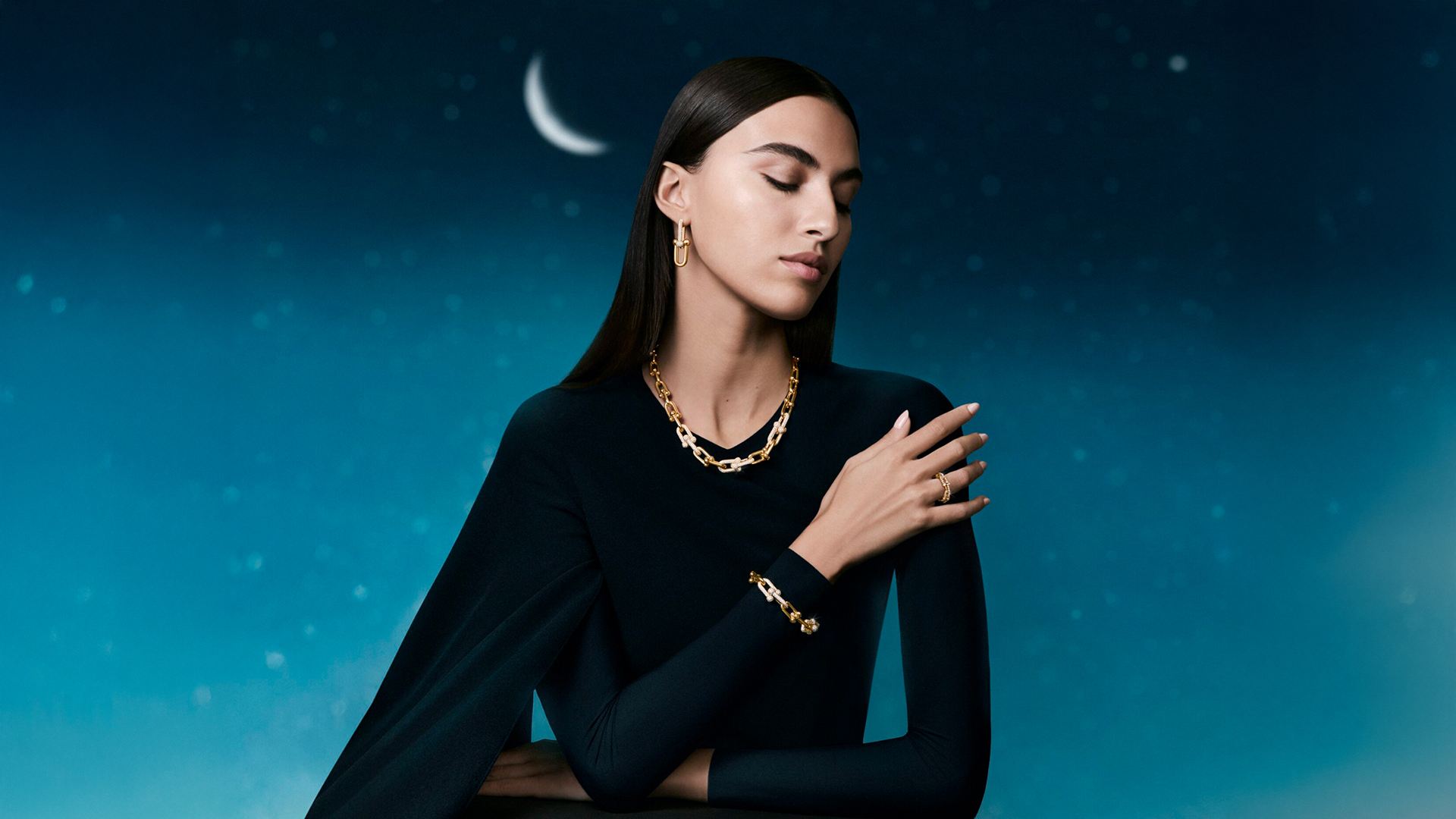
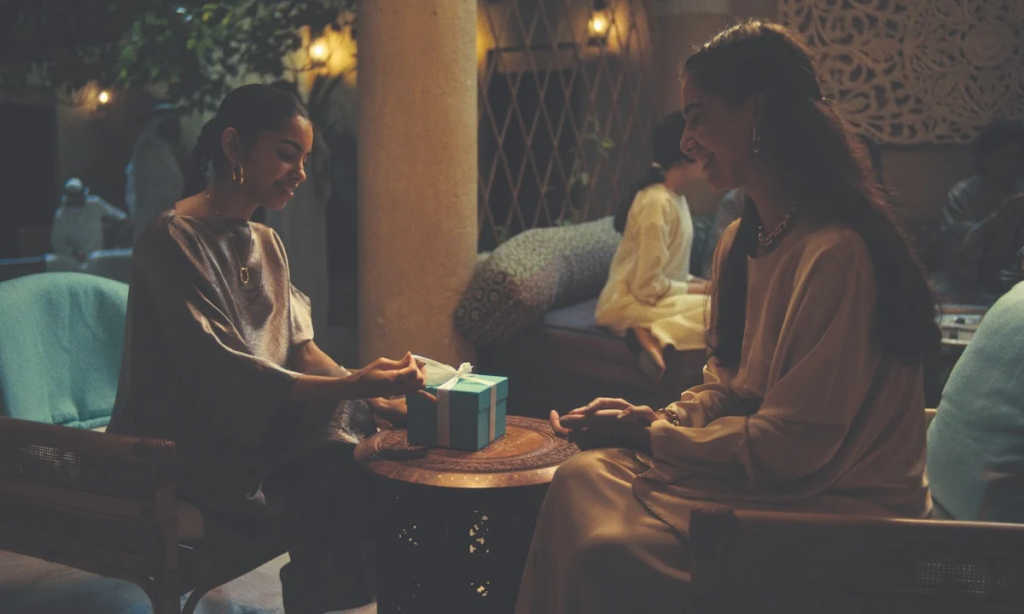
In a recent Communicate reader poll evaluating Ramadan campaigns from leading luxury houses, Tiffany & Co. emerged as the clear favourite, followed by Cartier and a cluster of brands tied closely behind. The results reflect both appreciation for strong heritage storytelling and growing fatigue with formulaic Ramadan advertising tropes.
The survey evaluated campaigns from brands including Bvlgari, Cartier, Chaumet, Gucci, IWC Schaffhausen, Jaeger-LeCoultre, Piaget, Prada, Tiffany and Vacheron Constantin across metrics such as storytelling, cultural relevance, brand fit and purchase intent.
According to the poll results, Tiffany secured the strongest positive sentiment among voters (54.5% of respondents), followed by Cartier (45.5%). A group consisting of Bvlgari, Chaumet, IWC Schaffhausen, Jaeger-LeCoultre, Piaget and Prada received similar mid-tier sentiment scores (36.4% each), while Vacheron Constantin (27.3%) and Gucci (18.2%) ranked lower in audience preference.
The winners: Heritage and storytelling win votes
According to the poll results, Tiffany secured the strongest positive sentiment among voters, followed by Cartier. A group consisting of Bvlgari, Chaumet, IWC Schaffhausen, Jaeger-LeCoultre, Piaget and Prada received similar mid-tier sentiment scores, the worst performers were Vacheron Constantin and Gucci ranked lower in audience preference.
The results suggest that while no single campaign dominated across all criteria, brands that leaned into craftsmanship, authenticity and emotional storytelling performed better than those relying purely on visual aesthetics.
One respondent praised Tiffany’s focus on heritage, describing it as “top tier” and highlighting its brand storytelling as a key strength.
This emphasis on authenticity is something creative leaders say luxury brands cannot afford to ignore during Ramadan.
Candace Braganza, founder of Sculpt25 Creative, identified Jaeger-LeCoultre as the strongest campaign from a strategic storytelling perspective.
“What sets it apart is it tells a complete story, not just what the product is, but how it came to exist,” she said.
By focusing on the designer and the craftsmanship process, the campaign created emotional depth while reinforcing brand credibility, she noted. According to Braganza, the heavy use of macro cinematography, warm lighting and detailed shots of artisans at work helped humanise the product without relying excessively on faces or dialogue.
“It answers why this product matters, not just what it looks like. That’s what drives both purchase intent and brand respect,” she said.
Izu Nwachukwu, host of Real People, Real Business Podcast, also highlighted the strength of several jewellery campaigns, noting how closely contested the category was.
He singled out Chaumet for its understated execution. “It was a difficult choice especially between Bvlgari, Chaumet, Jaeger-LeCoultre and Piaget, all of which drew on the significance of Ramadan,” he said.
“This campaign stands out for its simplicity, restraint and quiet elegance, capturing the spirit of Ramadan without overcomplicating the storytelling,” he said. While others found it as “full of cliches with bad lighting and execution.”
Nwachukwu noted that the use of a single model in a traditional abaya paired with minimal gold jewellery allowed the pieces to complement the cultural setting rather than overpower it, while subtle crescent-moon references created a poetic link between Ramadan symbolism and the brand’s design language.
“The minimalist approach — soft lighting, calm pacing and thoughtful composition — reflects both the serenity of Ramadan and Chaumet’s timeless aesthetic,” he added.
Ananda Shakespeare, CEO of Shakespeare Communications, also pointed to the relative strength of watchmakers in this year’s Ramadan advertising lineup.
“Of all the campaigns, for me, the watch brands were the most effective. Jaeger-LeCoultre and IWC stood out because they felt confident, elegant and culturally aware without trying too hard. Jaeger-LeCoultre brought a real sense of narrative and atmosphere, while IWC proved that sometimes restraint works best – it was simple, classy and clear in its Ramadan message. The weakest, for me, was Bvlgari. It was visually polished, but it felt too abstract and non-specific, with less emotional pull and less of the distinct Ramadan connection that makes a seasonal campaign memorable.”
Creativity concerns: “Too many clichés”
Despite some positive feedback, industry observers remain sharply critical of the overall quality of Ramadan luxury advertising.
Hubert Boulos, a long-time marketing executive, offered perhaps the most blunt assessment, arguing many campaigns feel interchangeable and creatively risk-averse.
“I have always had the harshest opinion about Ramadan advertising,” he said. “Ads are full of clichés, mostly useless, and now easily fully outsourceable to AI.”
He argued that many brands appear to be producing Ramadan campaigns simply to fulfil internal marketing requirements rather than to genuinely connect with audiences.
“Airing a Ramadan ad just ticks the boxes for marketing and communications departments,” he said.
Boulos pointed to recurring visual patterns across campaigns: abayas, desert landscapes, traditional architecture, slow-motion product shots and predictable Arabic musical cues.
“With AI you could throw these elements into a generator and produce endless Ramadan ads. Basically no creativity needed,” he said.
When different works — even imperfectly
Despite his broader criticism, Boulos did highlight a few campaigns that at least attempted differentiation.
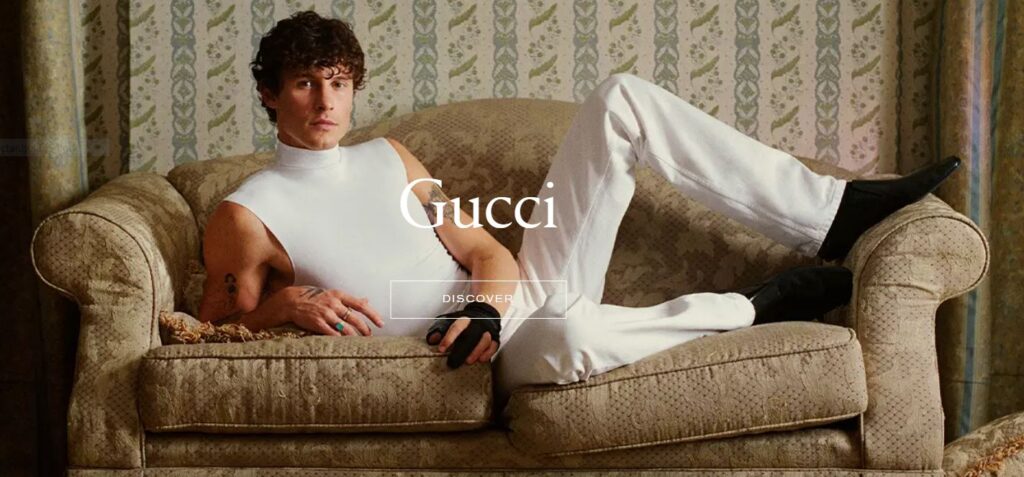
Piaget stood out for replacing predictable Ramadan imagery with unexpected cultural references such as playing cards and traditional games, while Gucci’s campaign caught attention for attempting to merge Italian identity with Middle Eastern settings — although he noted the narrative execution felt confusing.
Prada, meanwhile, drew attention for the opposite reason.
The brand presented dramatic visuals featuring models but made almost no attempt to connect the work to Ramadan.
“It had nothing to do with Ramadan. Not even a greeting to link it to the moment,” Boulos noted.
Nwachukwu shared a similar view, describing Prada’s campaign as visually refined but culturally detached.
“The campaign feels more like a standard global fashion ad with minimal regional relevance,” he said.
He noted that the visuals could easily belong to any seasonal fashion campaign and lacked identifiable Ramadan symbolism or storytelling cues tied to the traditions and emotional context of the holy month.
“The result is elegant but not meaningfully connected to Ramadan,” he said, adding that the work highlights the difference between simply releasing a Ramadan collection and creating a campaign that genuinely reflects the cultural significance of the season.
Braganza echoed this critique from a strategic standpoint, naming Prada as the weakest campaign in the review.
“Prada stayed too committed to its global minimalism and completely bypassed cultural relevance and emotional connection,” she said.
“In a season that is deeply emotional and culturally specific, neutrality reads as disconnect.”
The localisation challenge luxury brands still face
The mixed performance of global brands in Ramadan advertising continues to highlight a structural challenge: how to adapt global brand identities to culturally specific moments without appearing superficial.
According to Boulos, the issue may lie in how regional marketing is sometimes treated within global organisations.
“There is plenty of room for improvement for luxury brands, especially when you know how important the region is for their business,” he said.
He suggested some regional teams may be producing low-risk campaigns simply to demonstrate activity to global headquarters rather than investing in deeper cultural storytelling.
“Maybe these teams only need to tick a box saying they did something for this market that cost little and did not offend anyone,” he said.
A surprising bright spot: Retail storytelling
Interestingly, Boulos said one of the most compelling Ramadan executions he encountered did not come from film advertising at all, but from physical retail.
He singled out Tiffany’s Ramadan window display at Mall of the Emirates as an example of how luxury brands can successfully blend creativity, emotional storytelling and local relevance.
“Absolute world-class work — truly creative, emotional, locally relevant, visually striking and 100% on brand,” he said.
He questioned why the same creative ambition seen in retail experiences does not always translate into advertising films, which typically receive far larger distribution.
“I fail to understand how we can reach such highs for window displays and such lows for ads that have much higher reach,” he said.
What the poll ultimately shows
Taken together, the Communicate poll results and expert commentary suggest Ramadan luxury advertising is at a crossroads.
While brands clearly recognise the commercial importance of the season, the gap between execution and audience expectations remains evident. Campaigns that emphasise craftsmanship, storytelling and authentic cultural insight appear to resonate most strongly, while generic visual symbolism is increasingly seen as outdated.
The findings also reinforce a broader shift taking place across luxury marketing: audiences are becoming more sophisticated and expect deeper narratives rather than seasonal branding exercises.
As Braganza put it, the brands that succeed will be those that move beyond surface-level cues.
“Ramadan is not just a visual theme,” she said. “It’s an emotional context. The brands that understand that will always stand apart.”
For luxury marketers, the message from this year’s Ramadan campaigns may be simple: cultural relevance is no longer optional — and originality is the new luxury.