Dubai’s accelerated shift toward a cashless economy is set to transform how residents, tourists and businesses interact with everyday services, from shopping and dining to transport, utilities and government transactions.
The transition gained fresh momentum after the signing of a Memorandum of Understanding (MoU) between the Department of Finance and the Dubai Free Zones Council earlier this year to advance digital payment initiatives under Dubai’s Cashless Strategy.
The agreement, witnessed by Sheikh Ahmed bin Saeed Al Maktoum, aims to accelerate the emirate’s move toward a fully integrated digital transactions ecosystem, with a target of making 90 percent of all financial transactions cashless and ensuring 100 percent digital enablement of institutions by the end of 2026.
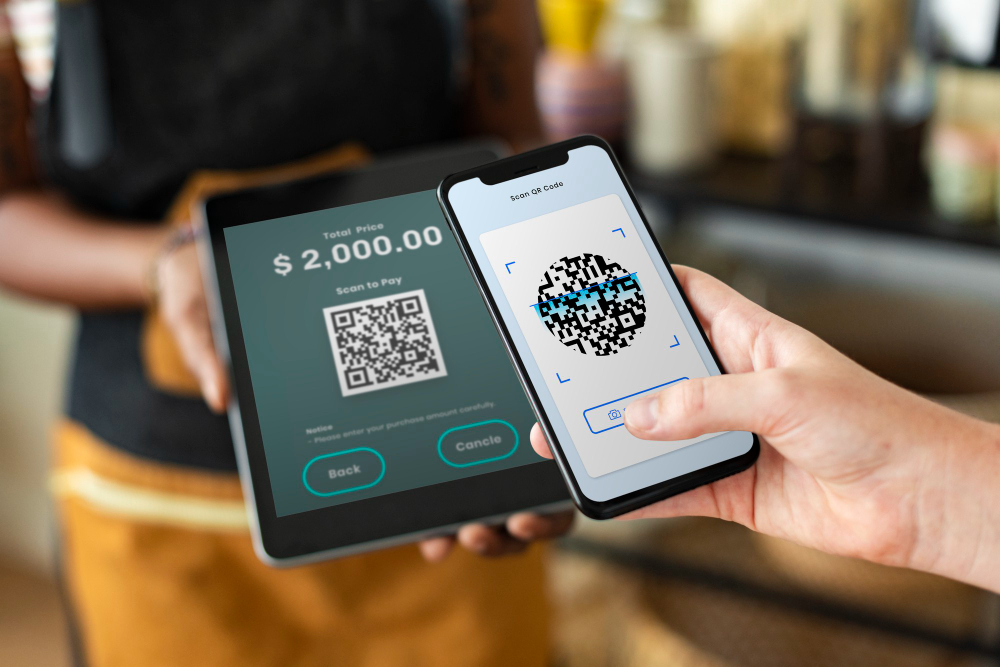
For consumers, the shift means cash payments are likely to become increasingly rare across large sections of Dubai’s economy. Payments for parking, taxis, restaurants, retail shopping, utility bills, entertainment and government services are expected to rely more heavily on cards, mobile wallets, QR-code systems and app-based transactions.
Industry observers say GCC consumers are already adapting rapidly to digital-first payment environments, particularly in urban centres such as Dubai, Riyadh and Doha, where smartphone penetration and fintech adoption remain high.
As more services move online, convenience is expected to improve for residents and visitors alike. Digital transactions typically reduce waiting times, simplify billing and enable faster access to services. Consumers are also likely to see more integrated loyalty programmes, personalised offers and app-based financial services tied to digital payment ecosystems.
However, the transition also places pressure on brands and service providers to ensure payment systems remain seamless and reliable.
Businesses across retail, hospitality and transport sectors will need to focus on frictionless payment integration, fast transaction processing and clear communication around new payment methods to maintain customer confidence.
Experts say even minor disruptions in payment systems — such as app failures, unclear interfaces or transaction delays — can affect consumer trust in increasingly cashless environments.
The strategy is also expected to accelerate the adoption of advanced financial technologies across Dubai’s free zones, which host thousands of international companies. This could lead to wider use of AI-powered payment solutions, embedded finance, smart invoicing systems and real-time transaction analytics.
Officials say the broader goal is to reinforce Dubai’s status as a leading global digital city and strengthen the objectives of the Dubai Economic Agenda D33, which seeks to position the emirate among the world’s top economic hubs.
Speaking at the signing ceremony, Abdulrahman Saleh Al Saleh, Director-General of the Department of Finance, said the agreement reflects the government’s commitment to “strengthening government partnerships and unifying efforts to accelerate the transition towards an integrated digital transactions ecosystem.”
Dr. Mohammed Al Zarooni, Secretary-General of the Dubai Free Zones Council, described the move as “a practical framework for strengthening cooperation” and supporting Dubai’s strategic direction toward an advanced digital transactions ecosystem.
For consumers, analysts say the message is becoming increasingly clear: Dubai’s future economy will be designed around speed, convenience and digital-first financial interactions, with cash gradually moving to the margins of everyday life.