By Will Rankin
My first foray into the world of media was on-the-job training. We were taught to check, check and check again. This was pre-internet, so checking information often involved calling people repeatedly, which could get quickly awkward and embarrassing. You learned fast to try and be as accurate as you possibly could the first time around.
As communications professionals, journalists, editors and advisers who live and work across the Gulf region, we certainly value the role of international media in informing global audiences. Many of us work closely with international outlets every day, and recognize the importance of fast, accurate reporting during moments of geopolitical uncertainty.
We are going through a period of extraordinary uncertainty right now across the region, and, as a moderator of one of the region’s largest WhatsApp media groups, I’m shocked and appalled by some of the articles we are sharing from seemingly reputable international media houses.
We are increasingly concerned by a notable pattern of reporting about the region that prioritizes speed, speculation or dramatic framing over careful verification and local context.
Recent coverage referring to travelers and expats “stranded” across the Gulf, alongside other stories circulating in recent months, illustrates a broader issue.
Headlines and commentary often amplify anxiety without reflecting the realities on the ground, the resilience of regional infrastructure, or the expertise of those who actually live and work here. We know that content that generates fear or anxiety creates clicks and comments, which turn into revenue – a ridiculous model that seems to be ruining accurate reporting.
We have also seen instances where commentary is drawn from tourists, influencers or casual observers rather than from qualified regional experts, aviation authorities, security analysts or the many journalists and professionals based in the Gulf who are deeply familiar with local conditions.
In some cases, routine incidents, such as industrial fires, have been rapidly reframed in international commentary as potential geopolitical events without evidence. Such reporting can unintentionally distort perceptions of the region, create unnecessary alarm, and undermine the credibility of journalism itself.
The Gulf is home to millions of residents, businesses and global institutions who rely on clear, accurate and proportionate reporting. Those of us who work in communications, journalism and public affairs here understand that during complex or rapidly evolving situations, calm and factual information is essential.
Our request to international media is simple: Report rigorously. Seek regional expertise. Avoid speculative framing. And reflect the realities on the ground as carefully as you would in any other part of the world.
The Gulf is one of the most internationally connected regions in the world. It deserves the same standards of nuance, verification and context that responsible journalism demands everywhere.
I offer this letter not in opposition to international media, but simply in support of better reporting and stronger global journalism. In a world where certain politicians decry factual reports as ‘fake news’, we all need to step up to ensure we report the truth and help maintain what little faith remains in modern media.
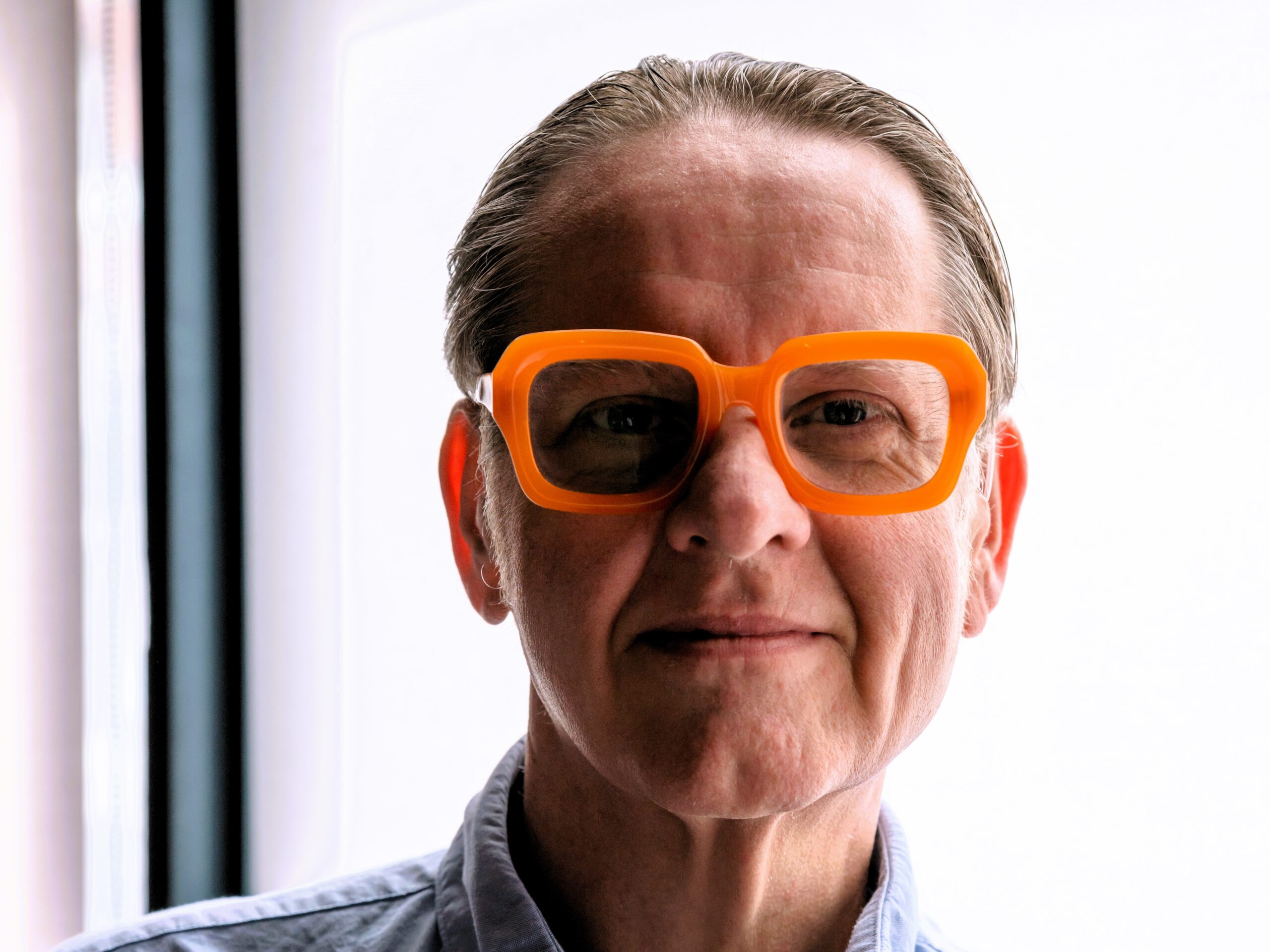
(Will Rankin, a Senior Media Consultant, has extensive international experience as a journalist and PR professional for 34 years. He has worked with Reach, The Times, Wall Street Journal Europe and the Daily Mail Group. He specializes in business, oil and gas, automotive, food and leisure writing. Experienced in Middle East issues and lifestyle, he has been in the UAE for more than 20 years.)