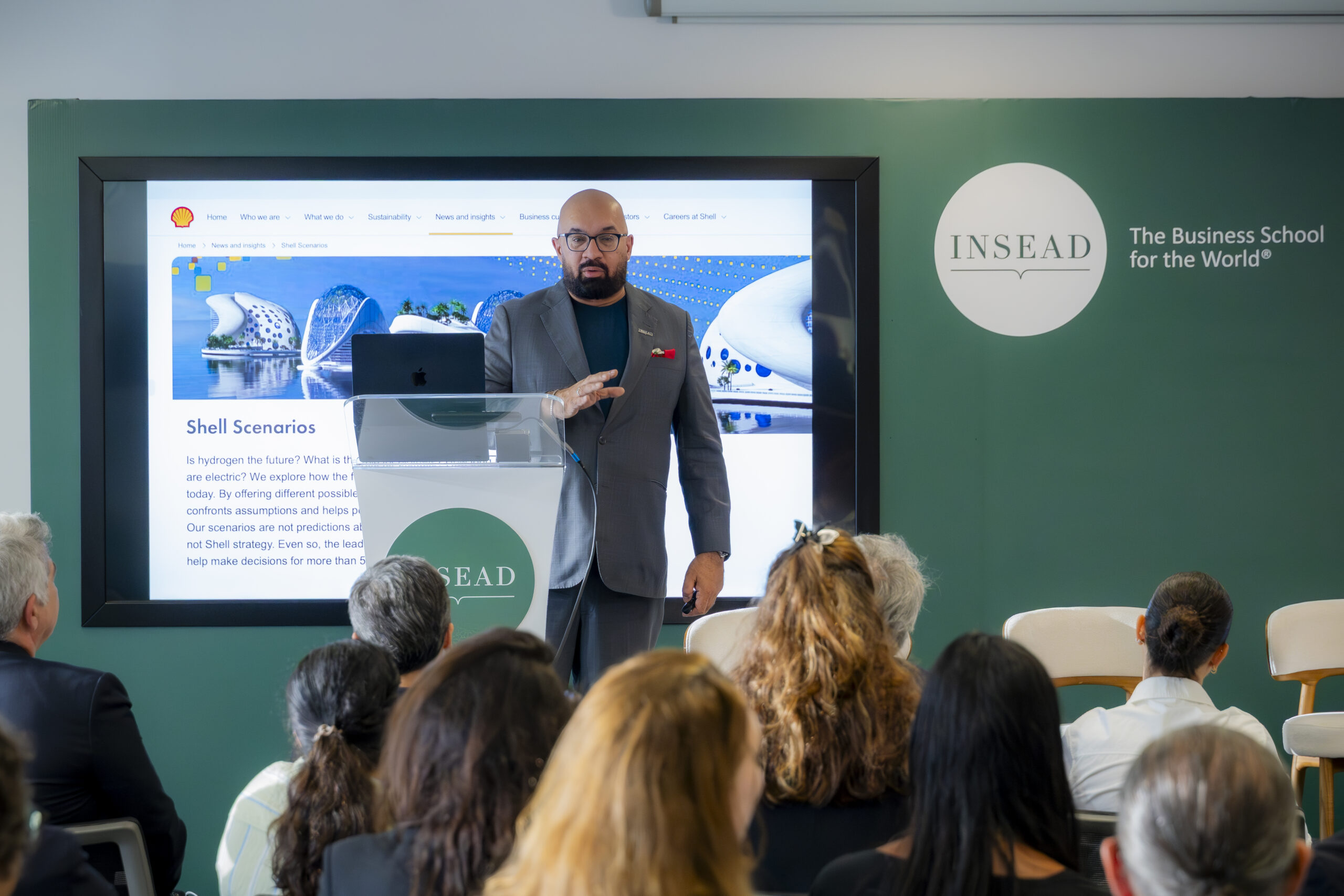
At Rewiring Growth & Marketing Strategy, a forum organised by Communicate in collaboration with INSEAD, Strategic Design Thinking Advisor to C-suites, Anand Vengurlekar, challenged one of marketing’s oldest assumptions: that great products succeed on their own merit.
“Consumers don’t buy products, they hire them to solve a problem,” he said, reframing growth through the lens of Jobs To Be Done (JTBD) in a world now reshaped by AI, fractured attention, and rising competitive noise. He was speaking during a session called: Build it and they will come.
The old model, he argued, was built for a simpler era, one where “build it and they will come” felt almost like a regional strategy playbook. Today, that logic breaks the moment reality “punches you in the mouth,” as he put it, quoting Mike Tyson’s famous line on adaptability. In markets like the UAE and beyond, certainty is collapsing faster than strategy decks can be updated.
Instead of more frameworks, Anand pushed for sharper thinking. His first provocation: critical thinking as a competitive advantage, not an academic exercise. Professionals, he argued, are trained to find “the right answer”—but the new edge lies in asking better questions. He urged leaders to split their thinking: one side for knowledge, the other for wisdom-driven questions that AI cannot simply generate for them.
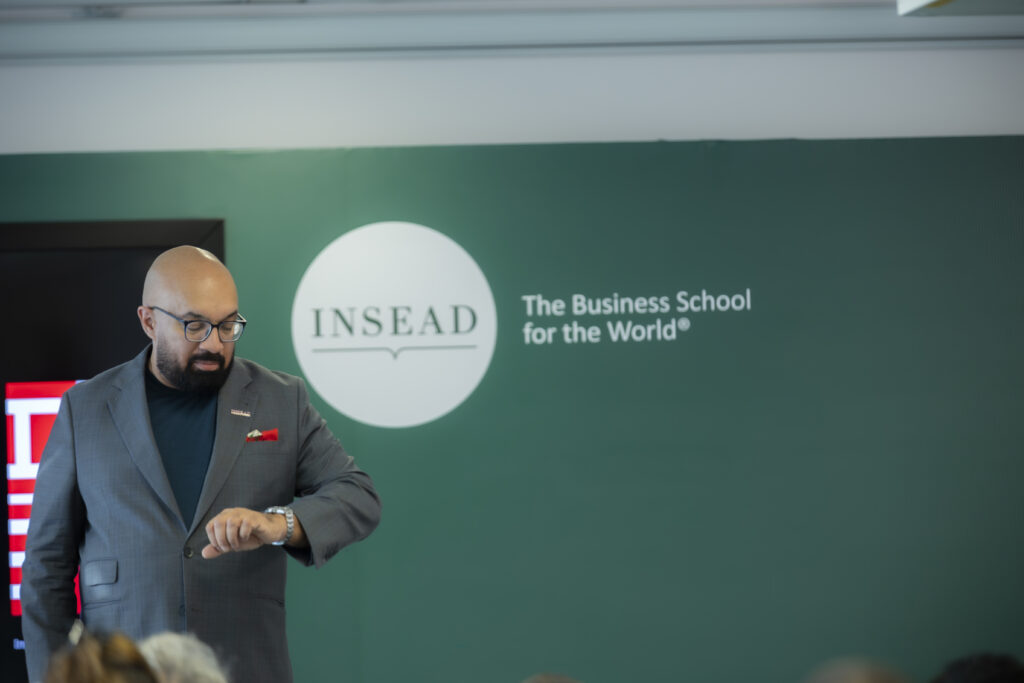
“Knowledge is free now,” he noted. “Wisdom is your ability to ask questions no one else is asking.”
A second shift was more practical: note-taking as a strategic tool, not a memory aid. In a live exercise, he challenged the audience’s instinct to capture facts, instead proposing a dual-track system—recording insights while simultaneously capturing questions that surface in real time. The goal: train teams to notice what matters before it becomes obvious.
To illustrate how institutions miss this shift, he referenced legacy thinking in product innovation, from early Sony Walkman disruptions to Apple’s iPod evolution, where the breakthrough wasn’t execution, but the framing of the right question: how do you design for the only free input a user has, their thumb?
The session culminated in Jobs To Be Done, illustrated through a deceptively simple example: the milkshake. Rather than improving taste or packaging, the real question becomes: what job is this milkshake being hired to do? A commute meal, a reward, a convenience ritual: the “job” changes everything.
That, Anand argued, is where most marketing still fails. It optimises features, not human progress.
In an AI-shaped economy, his closing warning was clear: asking AI for answers will produce polished documents. But asking it the right questions may be what sharpens human judgment the most.