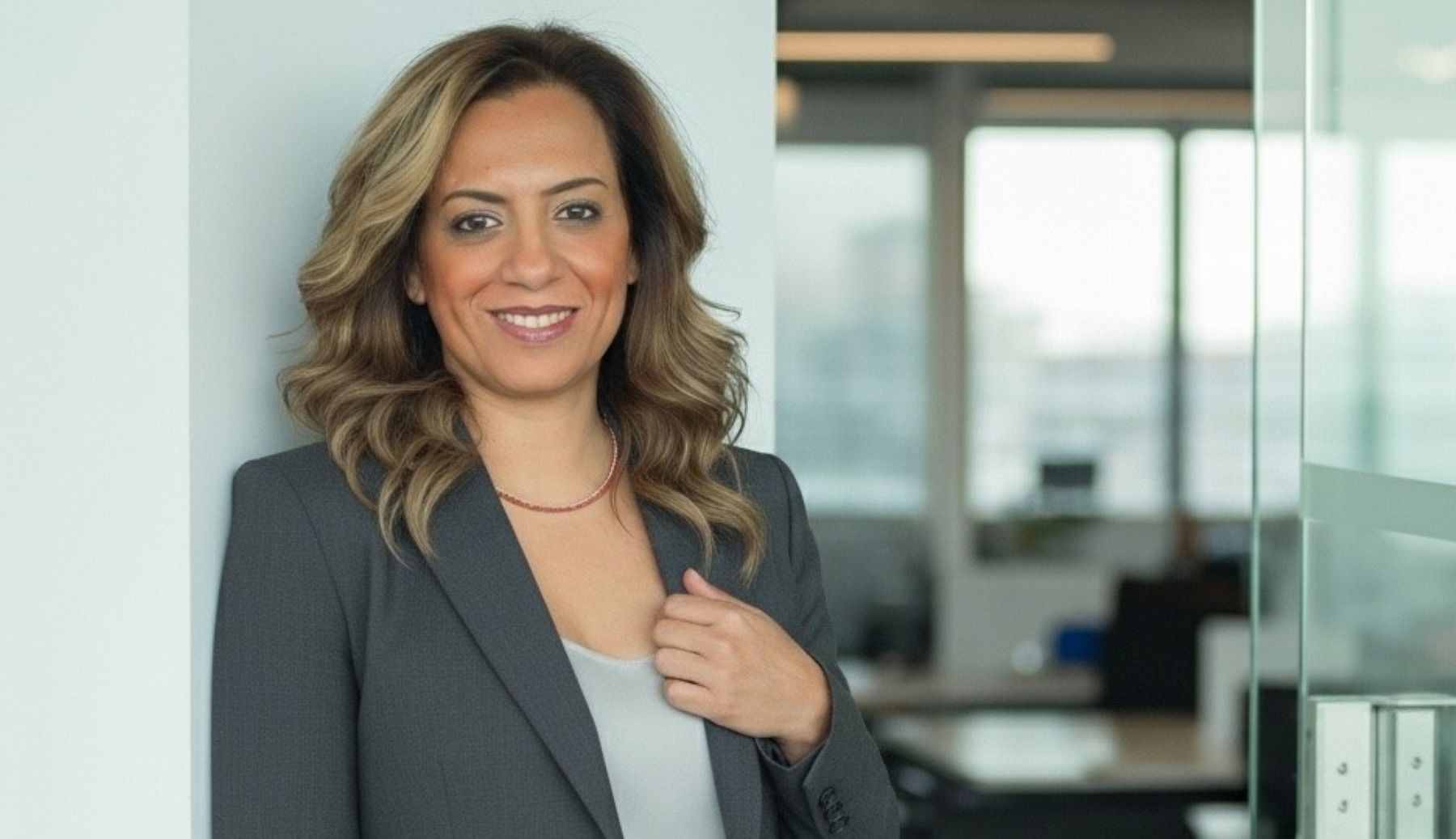
Linda Kender, Regional Director at MMA MENA, has a front-row seat to how turbulence rewires marketing playbooks in real time. In this conversation, she unpacks a region where campaigns pause, budgets tighten, and “wait and see” stops being a strategy. From empathy-led media choices to the rising currency of trust, she explores how brands are quietly rebuilding while the market holds its breath, and why those who stay strategically present today will own far more than attention tomorrow.
Where are we today in the current geopolitical and marketing landscape?
It’s echoing what we saw at the beginning of the pandemic, but not exactly the same. At first, everyone starts to look internally and the first pause is: let’s hold the campaigns.
This situation is different because people are afraid for their safety. It’s a war situation, so it’s much more volatile and far less controllable than the pandemic. During COVID-19, you could stay at home and safeguard your environment. Here, no one really knows how much control they have. People are just trying to make sense of it.
There’s a much quieter tone in the marketing industry this time around.
We’ve been speaking to different members in our ecosystem. Some sectors are growing, like the snacking industries, in times of uncertainty where people stockpile products. But even then, they face delivery and stock issues. So yes, there’s increased demand, but operationally, there are constraints.
Other sectors are heavily impacted. Tourism is one of the biggest hits, whether inbound to Dubai or outbound. No one is traveling, so it’s a major pause across the board.
What we’re trying to shift is the narrative from “wait and see,” because that doesn’t work. The question becomes: what can be done from a brand, marketing, and data perspective to keep the market moving, even at a slower pace? Because if everything stops, people lose jobs, customers feel isolated, and it creates a downward spiral.
So we’re talking to brands about doing things differently with empathy. That word is used a lot right now. Being empathetic means changing where you advertise. Don’t place ads next to news about death or bombs. Advertise in environments where people are more open and receptive.
Are brands using this moment to rethink internally?
Yes. Marketing teams are usually too busy servicing clients or reacting to the market. Now, we’re saying: use this time internally to fix what needs fixing.
It’s very reflective of the pandemic. We all turned inward. You start organizing your house, and in business terms, you organize what you can control.
We’re seeing members using this time to work on strategy, prepare stronger comebacks, and really think deeply for the first time. Because when things return, everyone will try to make up for lost time. The space will be crowded, and brands will need creative ways to stand out.
Have any brands turned uncertainty into innovation?
Yes. Two stand out in particular.
In retail, Majid Al Futtaim created a kind of bazaar concept so that small and medium businesses affected could have an online and offline presence.
We’ve also seen Careem run a very interesting campaign with clear boxes, essentially saying: if it can be delivered, we will deliver it. It was creatively strong without high cost. You don’t have to stop advertising; you just need to use your assets intelligently.
We also saw Pickl do something very human. They told small and medium businesses: we know people are not going out to buy burgers, but burgers bring happiness. We cannot give you money, but we can give you a burger.
These campaigns addressed real concerns, and they stood out because they did not stay silent.
Staying silent is a double-edged sword. If you lose your brand space in the consumer’s mind now, it will be much more expensive to rebuild later when the space is crowded again. So the advice is clear: find a creative way to stay present, even without big budgets.
Are marketers shifting budgets and channel priorities?
They have to. We’ve always tried to reposition marketing as a return-on-investment driver, not a cost center, but this is a natural pause.
It is also sensitive to advertise certain products right now, and the ROI environment has changed. We are seeing a slowdown and postponement of campaigns until things stabilize. Events have also been heavily affected.
But this is exactly the moment to do marketing smarter. The brands that understand that will win.
Where is the opportunity in this uncertainty?
The opportunity is in trust.
Consumers already trust brands with their money and their safety when they buy products. Right now, the question is: what can you do for me when I need you?
Brands that build on trust and long-term value, rather than short-term gains, will come out stronger.
We also see this in governments across the Middle East. There has been a strong foundation of trust built, especially in markets like Dubai, where communities actively advocate for their countries. That level of trust is not common in expat societies.
Trust is being built economically and socially. That is the foundation going forward.
What about mobile strategy and long-term brand building?
It is absolutely relevant. Branding is always a long-term strategy. It is the promise between a company and its consumer.
If a brand disappears during moments like this, it becomes much harder to regain trust later. Mobile and digital strategies need to reflect continuity and presence, not short-term spikes.
What consumer behavior shift should marketers watch closely?
The most dangerous mistake will be rushing customers back into buying.
People will come back cautiously, even with some level of emotional impact from what they have experienced. Trying to force a fast return to “normal” will be the biggest mistake.
The space will be noisy and crowded. Recovery needs to be gradual. You cannot invest long-term and then suddenly pivot back to short-term tactics when things reopen.
Is this a moment for partnerships or retreat?
We are seeing strong collaboration. Partnership has taken on a different meaning.
Even membership in associations has increased because people are seeking safety in numbers and knowledge sharing. There is a strong desire to tap into networks, training, and shared intelligence.
The right approach right now is not just business-driven partnerships, but support-driven networks.
Are traditional KPIs still relevant?
Effectiveness now is more about retention than acquisition.
KPIs are shifting from growth to optimization: optimizing budgets, optimizing existing consumer databases, and staying relevant to your current audience.
The only real growth area right now is brand building.
How has MMA adapted its role?
Our role has changed significantly because we usually connect through events, and that is no longer possible in the same way.
We are now running a knowledge-sharing series with board members, including a new initiative where leaders share what they have learned, what worked, and how they are tapping into global networks during this period.
We are also launching sessions that go beyond marketing in crisis, including perspectives from government, psychologists, and marketers doing things differently.
We also launched AI training for members, which would normally cost significant fees elsewhere, but is offered to our members as part of our support ecosystem.
Networking is critical right now, and we help connect people to the right resources depending on their needs.
On a final note:
Uncertainty creates the most discomfort in most humans. But this will pass. We will all come out of the other end. And when we do, we will have to be better marketers because of it.