Marketers have never had more data, more technology or more ways to reach consumers.
Yet the biggest takeaway from today’s growth conversation wasn’t AI. It wasn’t automation. And it certainly wasn’t another debate about channels.
It was trust.
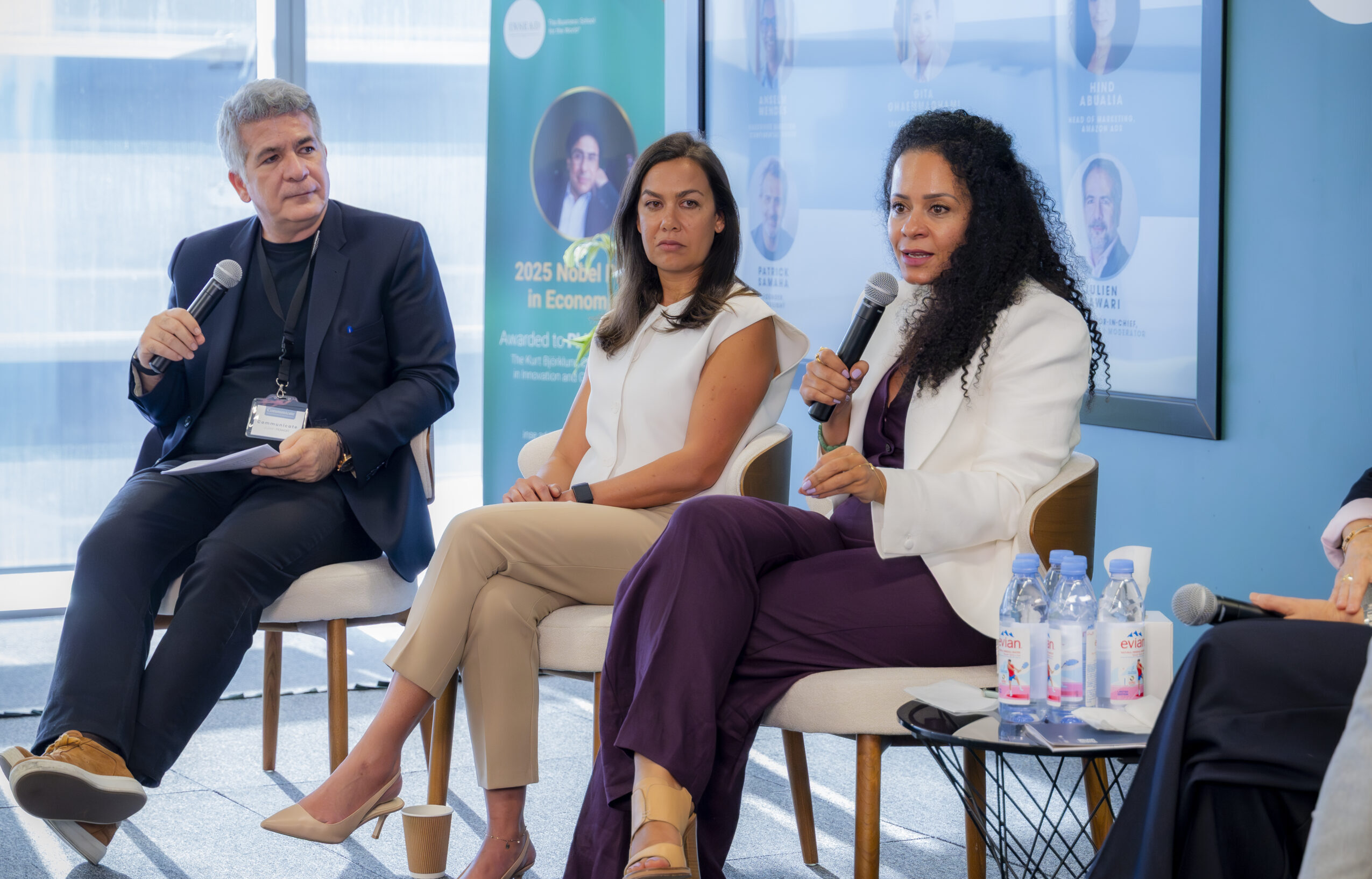
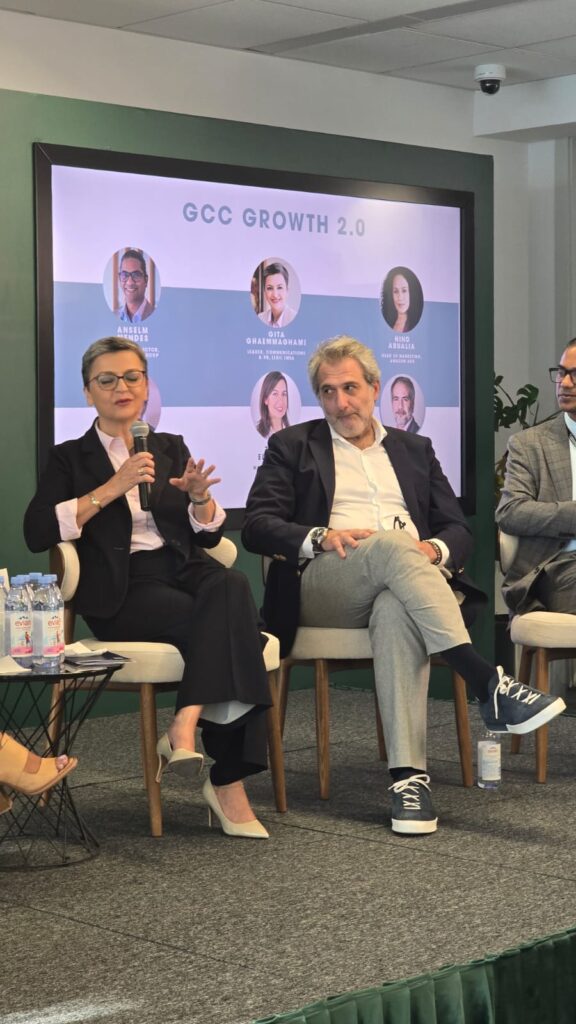
That theme emerged repeatedly during the Growth 2.0 panel at Rewiring Growth & Marketing Strategy, a forum organized by Communicate in collaboration with INSEAD. Moderated by Julien Hawari, CEO and Editor-in-Chief of Communicate, the discussion brought together leaders from Amazon Ads, Subway, Continental Group, LIXIL IMEA and Eleveight to unpack what growth looks like in an era defined by AI, economic uncertainty and rapidly evolving consumer expectations.
At a time when consumers are questioning more, comparing more and demanding more from brands, trust is quietly becoming one of the most important drivers of growth. Not as a brand metric, but as a business advantage.
And nowhere is that shift more visible than in the way consumers are making decisions today.
Consumers haven’t stopped spending. They’ve raised the bar
For years, economic uncertainty has fuelled predictions of cautious consumers and shrinking demand.
But that’s not quite what’s happening. Consumers are still spending. They’re still buying premium. They’re still willing to pay more.
What has changed is their expectation that brands justify every purchase.
“Consumers haven’t stopped wanting to purchase premium. What’s changed is the decision-making process, they now expect clear value and justification behind what they’re buying,” said Gita Ghaemmaghami, Leader Communications and PR at LIXIL IMEA.

She added: “We’re not seeing a drop in consumption. We’re seeing a shift in how decisions are made, consumers still want premium, but they expect value and justification to back it.”
That shift is forcing brands to work harder for consideration.
“Consumers aren’t willing to compromise on quality for value,” said Zeinab Elamrawy, Marketing Director EMEA at Subway.
In other words, consumers aren’t necessarily trading down. They’re becoming more intentional.
And they’re becoming harder to convince. “The consumer is way smarter than before,” said Patrick Samaha, Founder of Eleveight. “If they identify with a brand, they will spend money for it.”
For Anselm Mendes, Executive Director at Continental Group, authenticity has become the deciding factor.
“Customers recognise authenticity. Brands need a voice people can genuinely relate to.”
The message for marketers is straightforward: attention may be easy to buy, but trust still has to be earned.
The industry’s favourite debate hasn’t gone away
Few topics divide marketers more consistently than the battle between brand and performance.
The pressure to prove ROI has pushed many organisations towards short-term optimisation. But the discussion highlighted a growing concern across the industry: what happens when brands focus so heavily on harvesting demand that they stop creating it?
Samaha summed it up in a line that lingered long after the discussion ended: “If you don’t plant the seed, you can’t harvest the crop.”
It’s a simple analogy, but one that cuts to the heart of modern marketing. Performance marketing is exceptionally good at capturing existing demand. Brand building is what creates future demand.
The strongest growth strategies don’t choose one over the other. They understand that one fuels the other. Because eventually, every performance engine needs something to run on.
AI isn’t replacing marketers. It’s expanding their influence
For all the discussion around AI disrupting marketing, the more interesting question may be what it is doing to the role of the marketer.
As AI reshapes audience understanding, segmentation and decision-making, marketing leaders are finding themselves closer to business strategy than ever before.
“Never in the history of organisations has the CMO sat so close to the business,” said Hind AbuAlia, Head of Marketing for Amazon Ads International Expansion across EMEA and APAC.
It’s a striking observation, but an accurate one. The modern marketer is no longer responsible solely for communications. Increasingly, they sit at the intersection of customer insight, product development, operations, finance and growth.
AI is accelerating that shift. The technology may automate tasks, but it is also elevating the importance of those who understand customers best.
The real growth advantage
The marketing industry is entering a new phase. Consumers are more informed. AI is becoming embedded in everyday decision-making. Expectations around value, relevance and authenticity continue to rise.
The easy answer is to assume that growth belongs to whoever adopts the latest technology first. But the conversation suggested something different.
Technology may create efficiency. Data may create visibility. Trust creates preference.
And in a market where consumers have more choices than ever before, preference is what drives growth.
The brands that win won’t simply be the smartest users of AI. They’ll be the brands people believe.