When Communicate fielded its 2026 GCC Advertising & Marketing Salary Survey in Q3, the numbers came back with some surprises. C-suite titles cluster at the same median. PR now out-pays media in the UAE. A Saudi Creative Director earns a fraction of what the same job pays across the border.
Data can tell you what the market pays. It can’t tell you why. So in the same research window, Communicate sat down with HR and talent leaders across the region’s agency groups. We asked the questions a spreadsheet can’t answer: who’s really hiring, who still has leverage, and how much of the org chart AI is quietly redrawing.
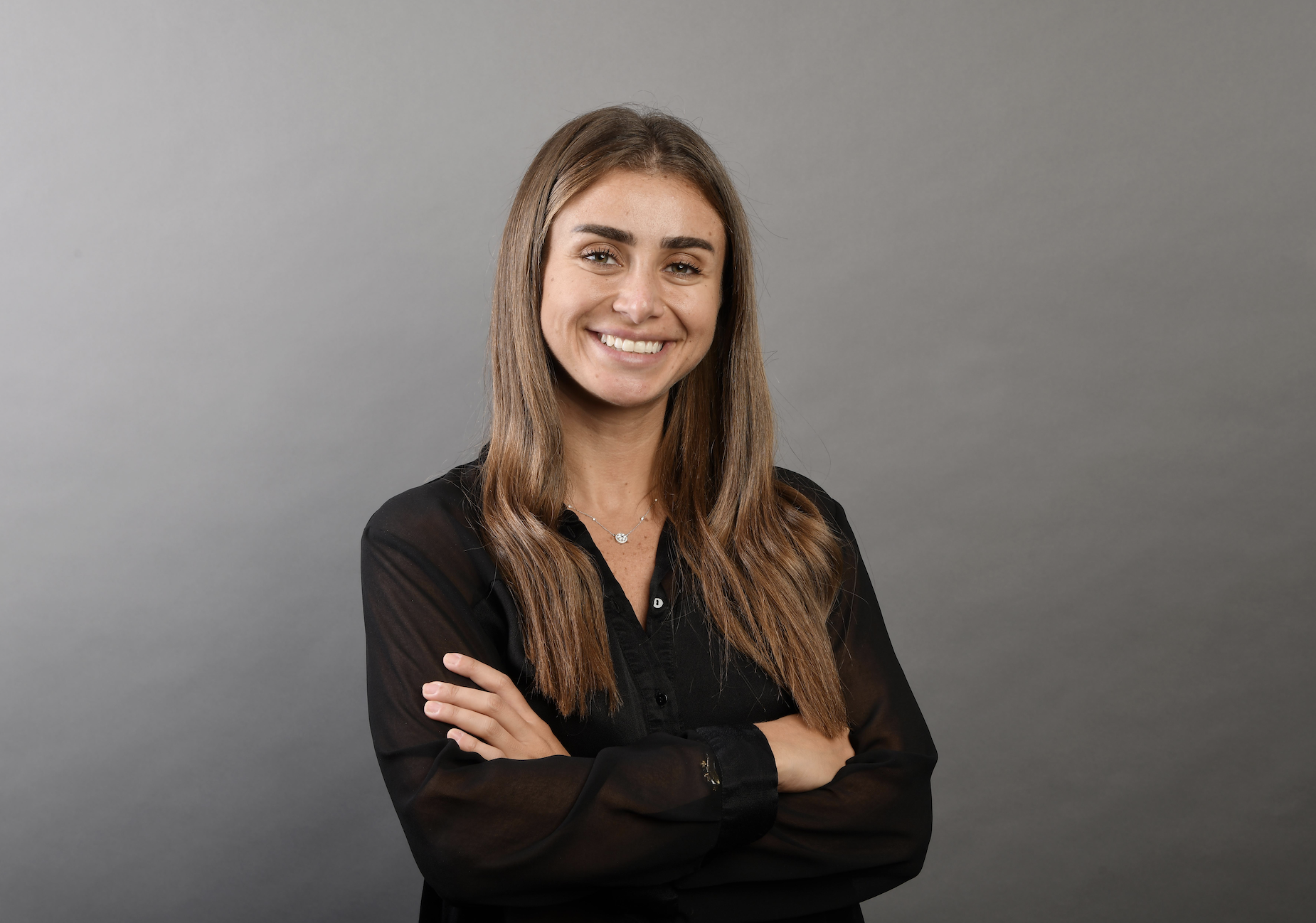
First up is Sewar Azzouni, Head of Talent Transformation at Publicis Groupe Middle East & Turkey. Publicis has been one of the industry’s stronger performers lately, winning business while rivals announce restructurings. Its global CEO, Arthur Sadoun, has made a point of saying the group won’t squeeze its people to please Wall Street.
Azzouni won’t talk numbers. On the survey’s thorniest finding, the Saudi-UAE pay gap, Publicis’s position is that it doesn’t look at talent by nationality at all. What Azzouni does offer is a clear view of where the market is heading. Pay alone no longer holds people, AI fluency is the scarcest skill in the room, and entry-level roles are being redesigned from scratch.
Conversation below:
Is hiring paused, selective, or business as usual?
Not paused at all. Hiring is related to two components: hiring for new client engagements and hiring for talent investments; for both, we were and are active, with a scaled-back approach based on the market conditions and the current situation.
Publicis Groupe globally has been outperforming much of the sector recently, winning significant new business while others in the industry have gone through visible restructuring. Because we’re a Talent First Organization, every talent investment goes through a lens of “how do we redeploy and upskill our own people into the growing areas” before we look outside.
Do you think most agencies are being fully honest publicly about where they actually stand on this?
I cannot speak on behalf of other agencies. Most public messaging frames workforce changes as “efficiency” rather than naming what’s actually shifting. Being Talent-first means we try to be honest and transparent about why something is changing. That honesty and transparency is part of respecting the people affected, not just managing headcount.
Our global CEO, Arthur Sadoun, has been clear that we (Publicis Groupe) will not squeeze to please Wall Street. We keep investing in our talents and in training them for an AI-driven future, and that commitment was made to our own people before it was made publicly.
Is salary still the main lever that decides whether someone joins or stays, or has it become more of a baseline expectation? Has your own pay scale moved in the last year?
I would not go into disclosing compensation specifics. What I can say is that salary alone doesn’t win or keep our best people anymore investment [→ anymore. Investment] in their growth, and specifically in AI upskilling, is doing more of that work than pay does on its own. This is over and above other benefits, inclusive of our cultural outlook across the region that offers safety, flexibility, and support beyond what employees typically expect.
Do you see what’s happening as a permanent shift or a cyclical dip?
Both. Hiring volume swings are cyclical, and the industry has weathered this before. But the shift in which capabilities matter is structural, and that part isn’t reversing even as budgets recover. Our response has been to lean into upskilling rather than just rebalancing headcount, building AI fluency across the organization so our people move with the shift instead of being displaced by it.
Can you point to a specific role or hire that AI has genuinely eliminated or changed at Publicis?
Artificial intelligence is a commodity tool rather than a standalone competitive advantage, and its purpose is not to replace our workforce. We remain a service and human-first business.
Our CEO for the region, Bassel Kakish, describes it as Tony Stark and the suit. AI is the suit, and it takes both to make the superhero. What has changed here is what our talents spend the day [→ their day] on, with the repetitive work moving to the tool. Without the talent, the suit is an empty shell. We will always prioritize our talents, and we will keep investing in AI as it evolves.
When you make an offer today, how does that conversation compare to one or two years ago? Does the best talent still have leverage?
Leverage has bifurcated rather than shifted uniformly toward either side. Talent with strong AI/technology fluency and strategic capability still holds real leverage, because that combination remains genuinely scarce, which is exactly why we’ve made upskilling a core part of our talent strategy rather than treating it as a nice-to-have.
Does the agency business model need to be rethought? Is your hiring strategy built for now or for five years from now?
Rethought, yes, and we have been doing that for a while. In-house teams plus AI erode the old case for why a client needs an agency’s scale, so the value has to sit somewhere else. Clients want the right technology for their transformation, and they want people who can take them through it.
Our hiring strategy tries to close that gap by building AI capability into our talents now rather than treating it as a future problem.
What does it cost to attract or keep strong Saudi national talent right now compared to a year ago?
We don’t look at talent by nationality. We hire on capability and potential, and that standard is the same for every candidate in every market we operate in. Where competition has intensified, it has been for AI and data capability, and that is true across the region rather than in any one market.
Our answer to that has been to build the capability ourselves. We invest in developing our talents internally, and we reach young people ahead of graduation to bring them into the industry early.
Do Gen Z candidates genuinely want different things, or is that more narrative than reality?
Genuinely real on specifics: they ask directly about growth, flexibility, and how seriously a company invests in developing them. Overstated on the rest: talent has always wanted these things; Gen Z just names it in the interview instead of discovering its absence months in. It’s part of why upskilling and development conversations happen earlier and more explicitly with our teams now. But the reality remains that they are a generation unlike previous ones, with different aspirations that make them more adventurous in their decision-making.
Is there a piece of conventional wisdom about hiring and talent right now that you think is wrong or misunderstood?
AI is destroying entry-level jobs. More accurately, AI is changing what entry-level work looks like, forcing a redesign of the role itself rather than simply eliminating it. As a Talent First Organization, we see that as our responsibility to get ahead of redesigning roles and upskilling people into them, rather than reacting after the fact. One piece of advice for the new talents coming into the job market: curiosity remains a key differentiator in our hiring selection.
(This interview is part of Communicate’s HR leaders series, conducted during the research period for the 2026 GCC Advertising & Marketing Salary Survey. Want to know what the market actually pays? Floor, median and ceiling salaries for 130-plus roles across UAE Creative, Media and PR, Saudi Creative and agency leadership are in the full results. One teaser: your CCO and your MD may be earning almost the same. (Explore the 2026 Salary Survey HERE)