The next wave of marketing technology is all about interaction, personalization, and conversational commerce. Global customers do not want to see generic advertisements. They expect brands to show them content, offers, and experiences that are genuinely relevant to them.
This trend is even more relevant in the GCC, according to experts.
Why personalization is becoming the new standard
“The biggest priority today is delivering a strong customer experience,” said Sara Waszyńska, Field Marketing Manager at Bloomreach, during an interview with Communicate at this year’s OMR Festival in Hamburg.
“Consumers now expect personalization. It’s no longer something innovative. It’s become the standard expectation.”
Bloomreach, a cloud-based e-commerce experience platform and B2B service, works with some of the Gulf’s largest retail ecosystems, including Al-Futtaim Group and Alshaya Group, helping brands personalize customer experiences across websites, loyalty apps, WhatsApp communication, email marketing, SMS, and broader e-commerce journeys.
According to Waszyńska, the foundation of modern personalization starts with customer data infrastructure.
“This is where many brands still struggle today,” she explained. “We help implement customer data platforms that create a 360-degree view of the customer. That includes tracking products customers browse, time spent on websites, purchase history, discount behavior, loyalty activity, and communication engagement across channels.”
Using AI on top of that behavioral data allows companies to build increasingly individualized experiences.
“For example, if someone regularly buys pizza every weekend for a family, you can assume they may have children and require different promotions than a single customer,” Waszyńska said.
The death of “batch and blast” marketing
According to Waszyńska, one of the biggest changes in marketing over the past five years has been the move away from generic mass communication.
“Years ago, brands would simply send the same ‘30% off Mother’s Day sale’ email to their entire database,” Waszyńska explained.
Today, AI-powered personalization allows brands to build one-to-one communication journeys triggered by customer behavior in real time.
“You no longer need to create broad messaging that tries to fit everyone,” she said. “You can become more creative because you know what will actually resonate with each audience.”
Waszyńska points to Alshaya Group’s Aura loyalty app, which includes more than 80 brands, as one of the strongest customer experience ecosystems currently operating in the Middle East.
“There has been a huge increase in CRM-driven revenue through the communication powered by Bloomreach,” Waszyńska said.
Shopping is becoming interactive
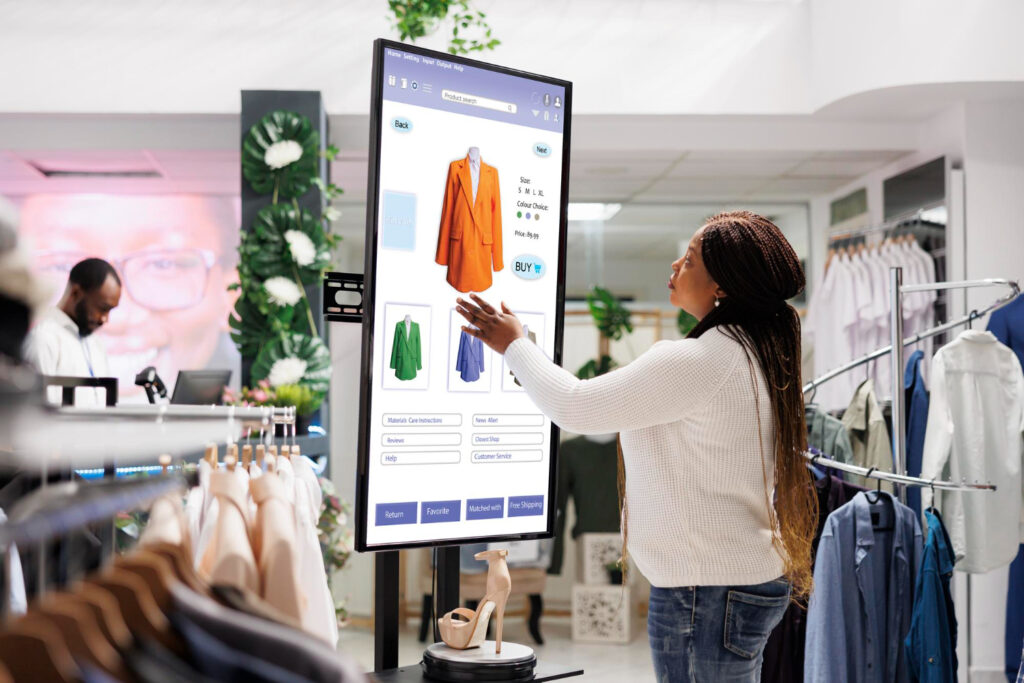
From AI-powered interactive shopping funnels to native messaging technologies embedded directly into smartphones, companies are searching for new ways to make digital experiences feel more personal, measurable, and conversion-driven.
German startup Heyflow is part of a growing category of platforms helping brands turn static websites into personalized interactive experiences designed to increase conversions.
“Heyflow is a no-code tool for building interactive funnels and quizzes,” explained Philipp Meißner, Sales Lead at Heyflow.
Instead of directing users toward static product pages, brands guide them through personalized multi-step experiences that feel more conversational and tailored.
“The entire concept is about personalization and creating the feeling that the recommendation is specifically designed for that customer,” Meißner said.
“A skincare brand, for example, might ask users questions about their skin tone, preferences, or concerns before recommending products based on those answers.”
According to Heyflow, these interactive journeys dramatically improve conversion performance.
“When comparing Heyflow experiences to traditional static forms, we often see conversion improvements of around 80%.”
“Only over the past one-and-a-half to two years have quiz funnels and interactive e-commerce experiences really become mainstream,” he explained.
That trend has accelerated alongside the rise of creator-led e-commerce brands and direct-to-consumer businesses.
Messaging apps as advertising platforms
You do not need to have the latest phone model for advertising tech to reach you.
According to Vonage, an American cloud communications provider, one of the most important emerging technologies for brands is RCS, or Rich Communication Services. This stands for an upgraded form of messaging that allows interactive multimedia communication directly inside native phone messaging apps.
“What we’re seeing nowadays is the rise of a new channel called RCS,” explained Marian Diederichs, Communications Specialist at Vonage.
Unlike traditional SMS, RCS supports videos, interactive media, rich messaging formats, real-time communication, and conversational customer journeys.
“This is especially interesting because the technology is already integrated into users’ phones,” Diederichs told Communicate.
For brands, this creates new opportunities to engage audiences without relying entirely on external social platforms. The technology is already seeing strong adoption across markets such as Germany, the UK, France, Brazil, India, and the GCC.
“The Gulf region is highly promising because users are already very comfortable interacting with brands through their phones,” Diederichs explained.
“A user might search for something on Google and then immediately enter an RCS conversation with a brand directly from the search experience,” Diederichs said, pointing to the integration between messaging technologies and search behavior itself.
Whether through personalized loyalty ecosystems, interactive shopping journeys, or native messaging technologies, digital marketing is moving away from interruption-based advertising toward experiences that feel intuitive, responsive, and deeply integrated into everyday digital behavior.
Hyper-personalization, once viewed as an intrusion, is now an expectation.