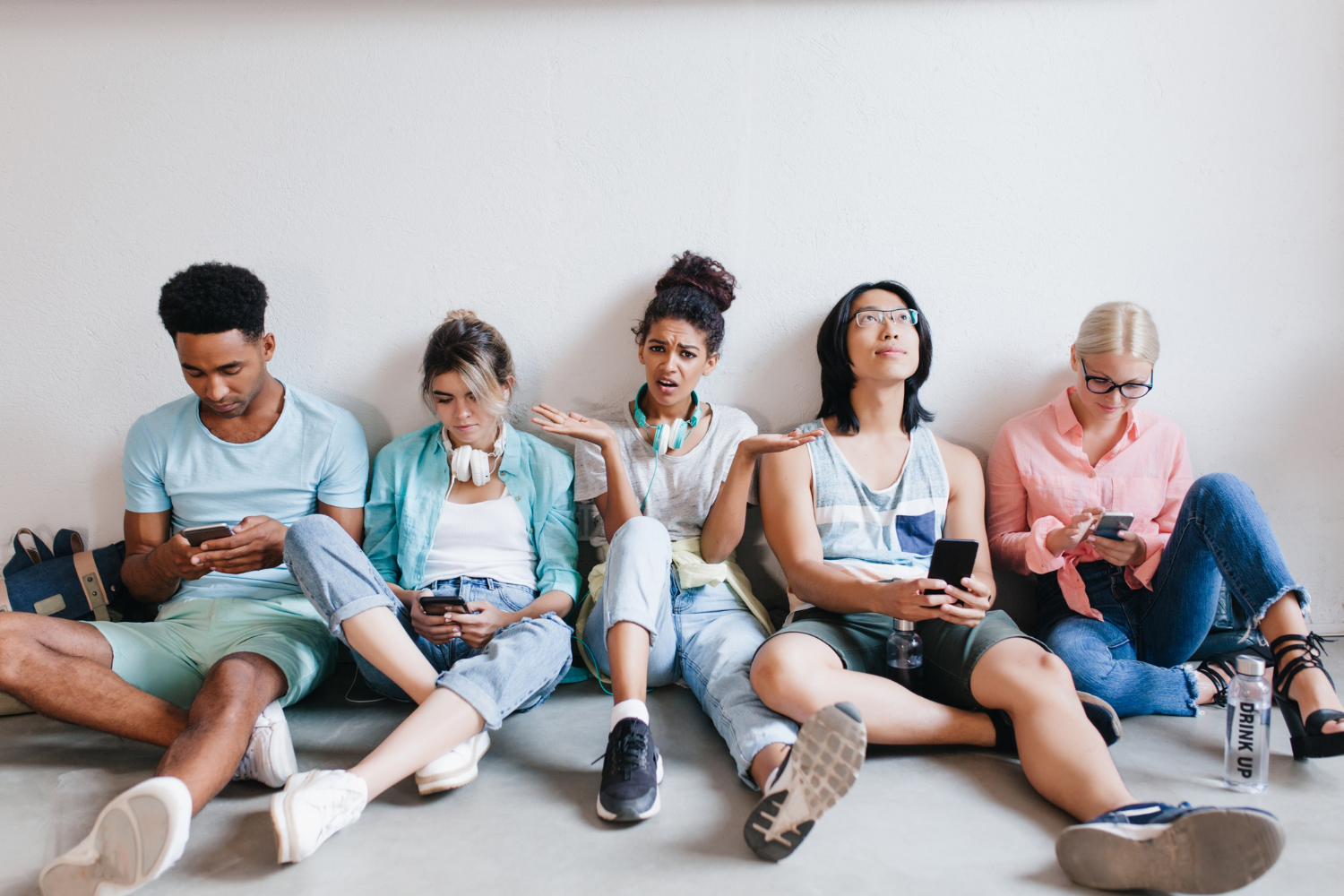
The Harris Poll’s latest Gen Z Weekend Report finds that financial pressures, loneliness and a preference for lower-pressure social settings are reshaping how young Americans spend their weekends, with many choosing wellness and affordable experiences over traditional nightlife.
More than half of Gen Z adults in the US experience loneliness on a typical weekend, while nearly three-quarters now spend at least half their weekends at home, according to The Gen Z Weekend Report by The Harris Poll. The findings suggest that soaring costs, digital-first social lives and changing attitudes toward nightlife are fundamentally reshaping weekend culture among young adults.
“The most-connected generation in history is the loneliest,” the report said, noting that 51% of Gen Z respondents reported weekend loneliness—the highest share among all generations surveyed. It added that 65% “experience their social life more through a phone than in person,” while 49% said they do not have enough friends to spend time with offline.
The survey, conducted online between May 28 and June 6, 2026, covered 4,100 US adults, including a nationally representative sample of 603 Gen Z respondents aged 18-29.
Staying in is now the default
Rather than heading out, many Gen Z adults are choosing to remain at home. According to the report, 74% stay in at least half of their weekends, while 73% agreed that “Staying in has become my default weekend plan.”
The report argues this behaviour should not be mistaken for antisocial withdrawal.
“Staying in is intentional, not antisocial,” it said, adding that the biggest reasons are “saving money (49%) and recharging physically and mentally (47%).”
Screens have become central to weekend routines. Around 71% spend at least half their weekends watching television, streaming or gaming, while 69% spend that time doomscrolling on social media. Nearly two-thirds (65%) agreed: “I experience social life more through my phone than in-person.”
Cost has replaced FOMO
The report suggests financial concerns have overtaken the fear of missing out as the biggest influence on weekend decisions.
“Financial damage has replaced FOMO,” it said, with 68% agreeing that “Going out these days isn’t worth the damage it does to my wallet.” Another 62% said: “I avoid making weekend plans because I don’t want to feel financial regret afterward.”
Among those who rarely or never go out, 41% said they would rather spend their money elsewhere, 38% said they genuinely enjoy staying home, while 35% described nightlife as overwhelming. A third (34%) said they simply could not afford to spend money on “fun.”
Financial pressures were especially pronounced among women and renters. The report found that 42% of Gen Z renters and 41% of Gen Z women cited being unable to afford “fun” as a reason for not going out.
From hard socialising to “soft socialising”
Instead of loud bars and clubs, Gen Z increasingly prefers calmer and more affordable social environments.
According to the report, 88% actively avoid at least one type of social setting. Large gatherings with strangers (39%), loud and crowded venues (38%), expensive nights out (36%) and alcohol-centred socialising (35%) ranked among the most commonly avoided experiences.
“Hard socializing is over. Soft socializing is in,” the report said, adding that 73% wished “there were more social settings where alcohol isn’t the main focus,” while 79% wanted more affordable ways to spend time outside the home and 76% preferred quieter, less overwhelming environments.
The shift also extends to wellness activities.
“The center of social gravity is shifting from the bar to the workout, the class, and the calmer room,” the report said. It found that 65% of Gen Z—and 70% of Gen Z women—felt “more socially connected in wellness-focused settings than in traditional nightlife.”
Looking for affordable ways back to in-person friendships
Despite their digital lifestyles, the survey suggests Gen Z still wants more face-to-face interaction.
The report found that 85% had already found lower-cost ways to socialise, including hosting friends at home, looking for discounted tickets and attending free events.
Meanwhile, 62% agreed: “I wish more of my online friendships translated into in-person plans,” while 71% said they felt they were “missing out on in-person experiences that older generations had when they were my age.”
Summing up the findings, the report concludes: “Gen Z wants back in, they just need an affordable, low-pressure door.”
“The demand is there and largely unmet,” it said.