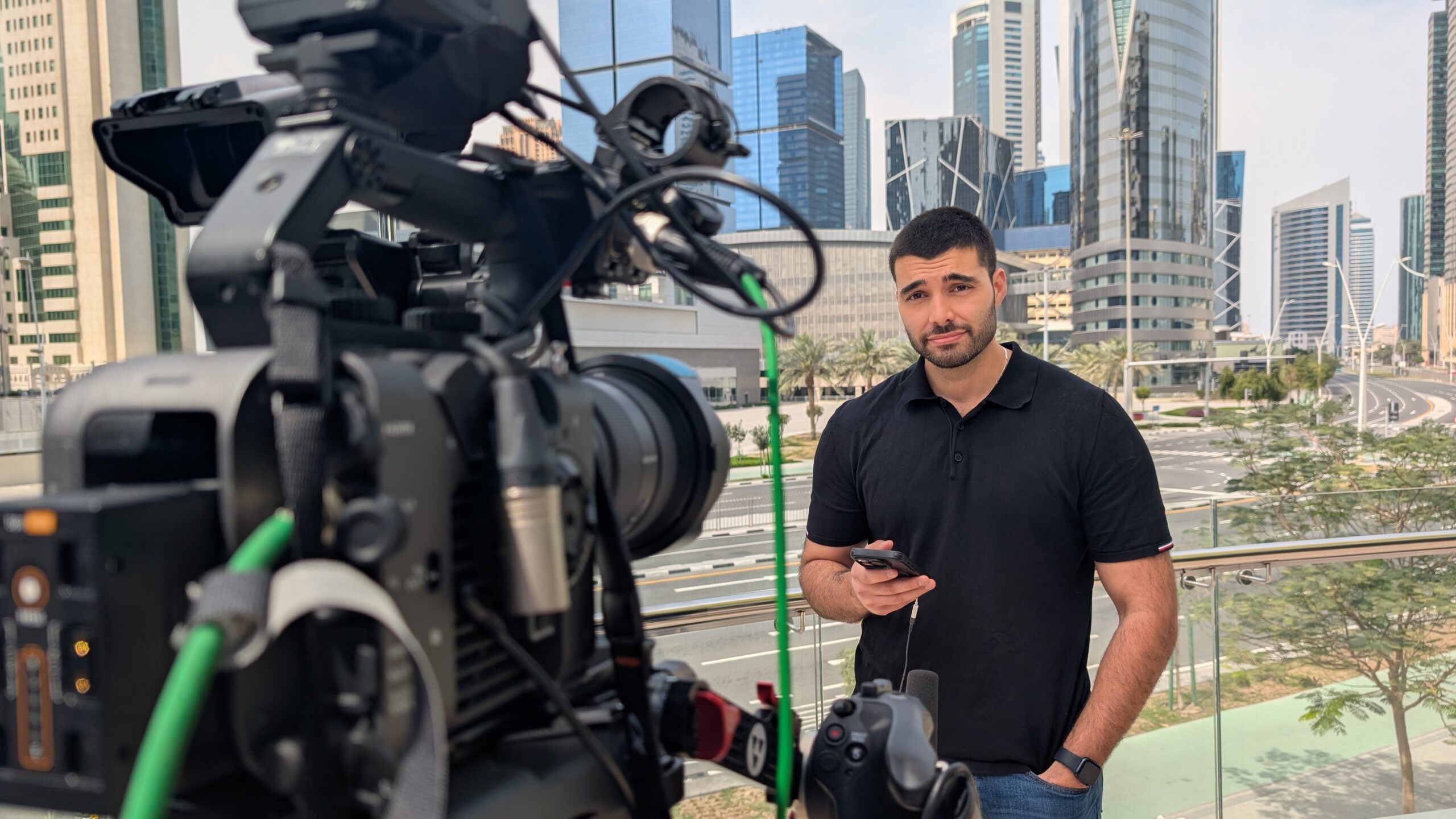
As audiences move away from traditional media habits, CNN Creators is testing a difficult balance: how does a 40-year-old news organization embrace creator culture without becoming just another content brand? For years, journalism and the creator economy existed on opposite sides of the media conversation.
Newsrooms were built around editorial checks, verification and institutional credibility. Creators built audiences through personality, community and a direct relationship with followers. But the lines between the two are becoming harder to define.
A growing number of people no longer begin their search for information with a broadcaster or newspaper. They start with a person they follow, a video that appears in their feed or a creator who has earned their attention.
For media companies, the challenge is no longer simply reaching audiences. It is building a relationship with them.
That is the thinking behind CNN Creators, a digital-first, multiplatform initiative produced from Doha, where a new generation of CNN journalists are experimenting with a different way of storytelling.
The idea is not to turn journalists into influencers. It is to understand what creators have changed about audience behaviour, and what traditional journalism still brings to the table.
Because while creators have mastered attention, trust remains one of the hardest things to build. And that is where CNN believes it has an advantage.
The creator economy changed what audiences expect
The biggest shift brought by creators is not simply shorter videos or new platforms. It is the expectation that audiences should know the person behind the content.
For CNN Senior Producer and CNN Creator Bijan Hosseini, that connection has always been at the heart of great storytelling. Growing up, he says, the stories that stayed with him were often connected to the people telling them.
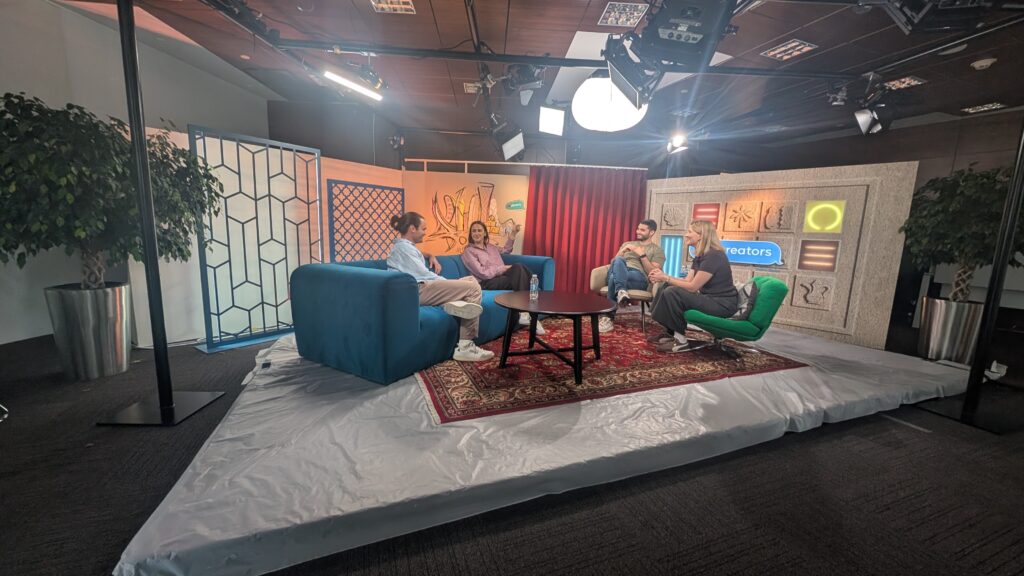
He points to storytellers such as Anthony Bourdain and David Attenborough, figures whose personalities became part of the experience. “People engage with people,” he says.
That idea has become increasingly relevant across media and marketing.
Audiences do not just follow organisations anymore.
They follow perspectives. They follow people they feel they know.
For brands, this shift has already changed how campaigns are built. The rise of creator partnerships, founder-led content and community-driven marketing all point to the same trend: audiences want a human connection before they want a message.
The trust challenge
The creator economy has solved one problem that traditional media has struggled with: getting attention. But it has created another challenge: knowing what to believe.
That tension is at the centre of CNN Creators.
Executive Producer Andrew Potter describes the opportunity as combining two things audiences increasingly want at the same time. “Audiences are moving towards trusting individual content creators more and more, but also want information they can rely on. So how about a creator who has CNN’s reach, integrity and editorial standards?”
It is an interesting proposition because the rules are different on each side. Creators build relationships through access and personality.News organisations build credibility through process. CNN Creators is attempting to bring those worlds together.
Digital does not mean less serious journalism
One of the assumptions traditional media has had to challenge is that digital storytelling means simplifying stories. CNN Creator Charline Bou Mansour, whose reporting has covered refugee crises, conflict and women’s health, sees it differently. For her, the format changes, but the responsibility does not.”Digital storytelling is an evolution of journalism, not a lesser version of it.”
The goal is not to make complex stories smaller. It is to make them easier to enter. “If someone understands a complex issue because they watched a two-minute video on their phone, that’s a win for journalism.”
That idea has implications far beyond news. Marketers are facing the same challenge: audiences are not necessarily rejecting depth. They are rejecting content that asks too much before giving them a reason to care.
Creators raised the visual bar
The influence of creators has also changed expectations around production.
Audiences have become accustomed to cinematic storytelling everywhere, from Netflix documentaries to YouTube creators filming from their bedrooms.
For CNN Creator and photojournalist Ben Foley, that means traditional broadcast quality is no longer enough on its own. “Just delivering a traditional broadcast product alone doesn’t really cut it anymore.”
The challenge is not simply creating content for more platforms. It is understanding that each platform has its own language. A story designed for television will not necessarily work on TikTok. A vertical video cannot simply be a cropped version of a broadcast package.
The thinking has to start earlier.
- How does the audience discover this?
- Why would they stop scrolling?
- What makes them stay?
Those are questions creators have been asking for years, and traditional media is now asking too.
The fundamentals have not changed
Despite the disruption, CNN Creators argues that the foundations of storytelling remain surprisingly familiar. CNN sports producer Matias Grez believes the creator era has changed distribution, but not what makes audiences care. “The key elements of what make a great storyteller remain the same from the network era to the creator era: being empathetic and putting humans at the centre of your story.”
That may be the most important point for brands watching this evolution.
Technology changes. Platforms change. Algorithms change. But audiences still respond to stories that feel real.
What marketers should take from CNN Creators
CNN’s experiment reflects a broader shift happening across media and marketing. The creator economy has changed the relationship between organizations and audiences. Brands can no longer rely only on awareness. They need relevance. They need voices. They need communities.
Three lessons stand out:
- Personality is becoming part of the brand experience
The strongest organizations are no longer faceless.
Whether it is a journalist, founder, executive or creator, audiences increasingly connect through people.
- Trust is becoming a competitive advantage
As AI increases the volume of content available, credibility will become harder — and more valuable, to earn.
- Great content starts with audience understanding
Creators do not think about content in isolation. They think about behaviour: where audiences are, what they care about and why they would choose to engage. That mindset is increasingly influencing every part of marketing. The future may belong to hybrid storytellers.
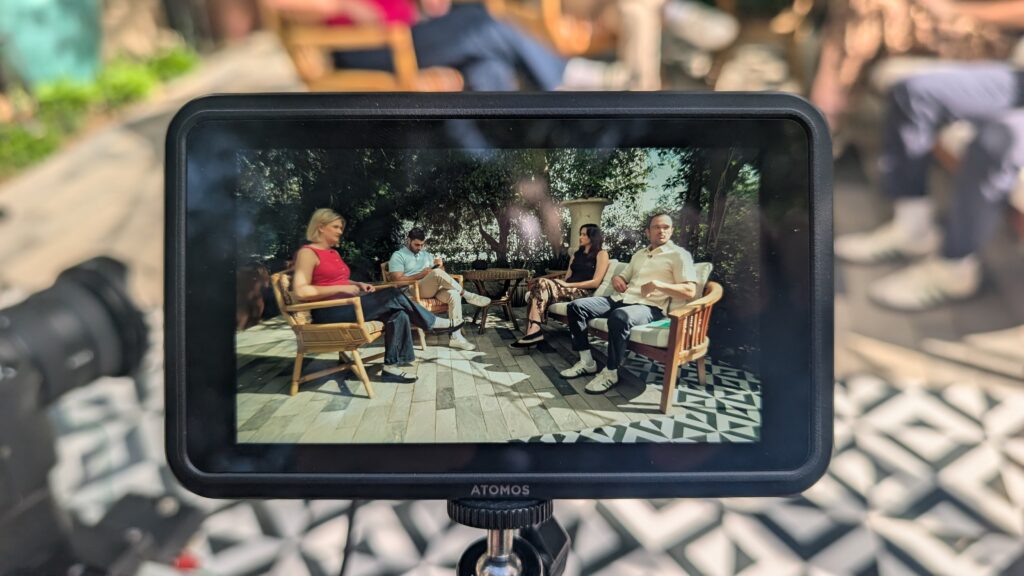
CNN Creators is not proof that traditional media has become obsolete. It is proof that even the biggest institutions are having to rethink how relationships are built. Creators have shown media companies how to build intimacy.
News organisations have shown creators the value of accountability. The next chapter of media may belong to those who can combine both.
For brands watching from the sidelines, the lesson is clear: The future will not simply belong to whoever has the largest audience. It will belong to those who can earn attention and give people a reason to trust them.