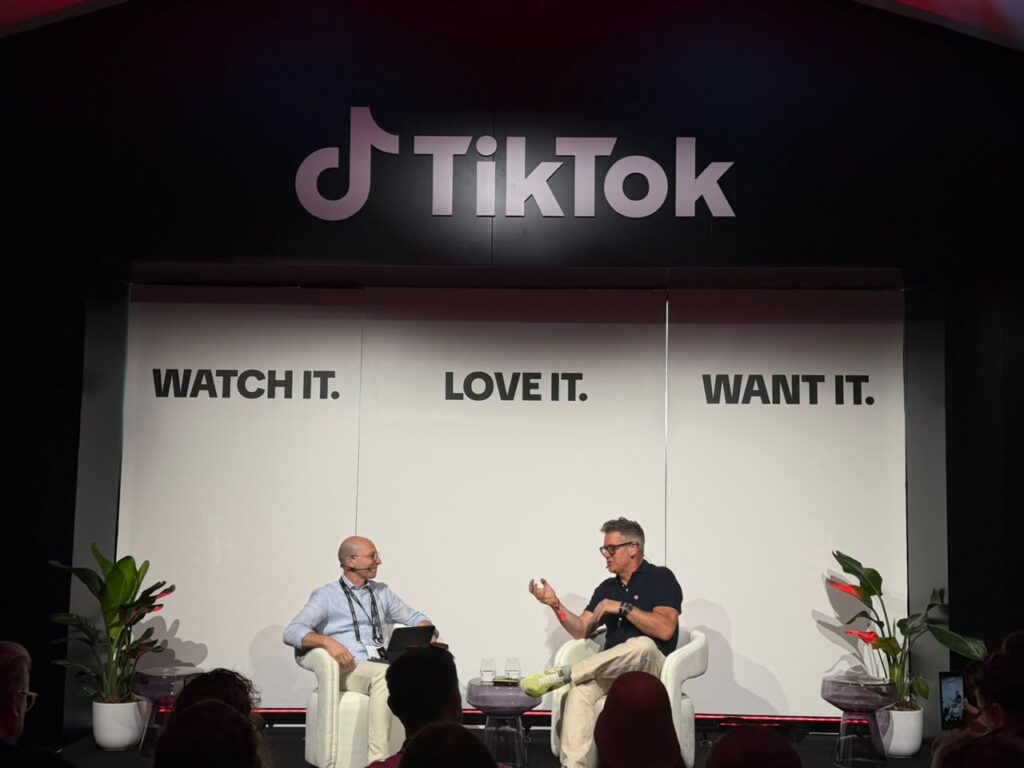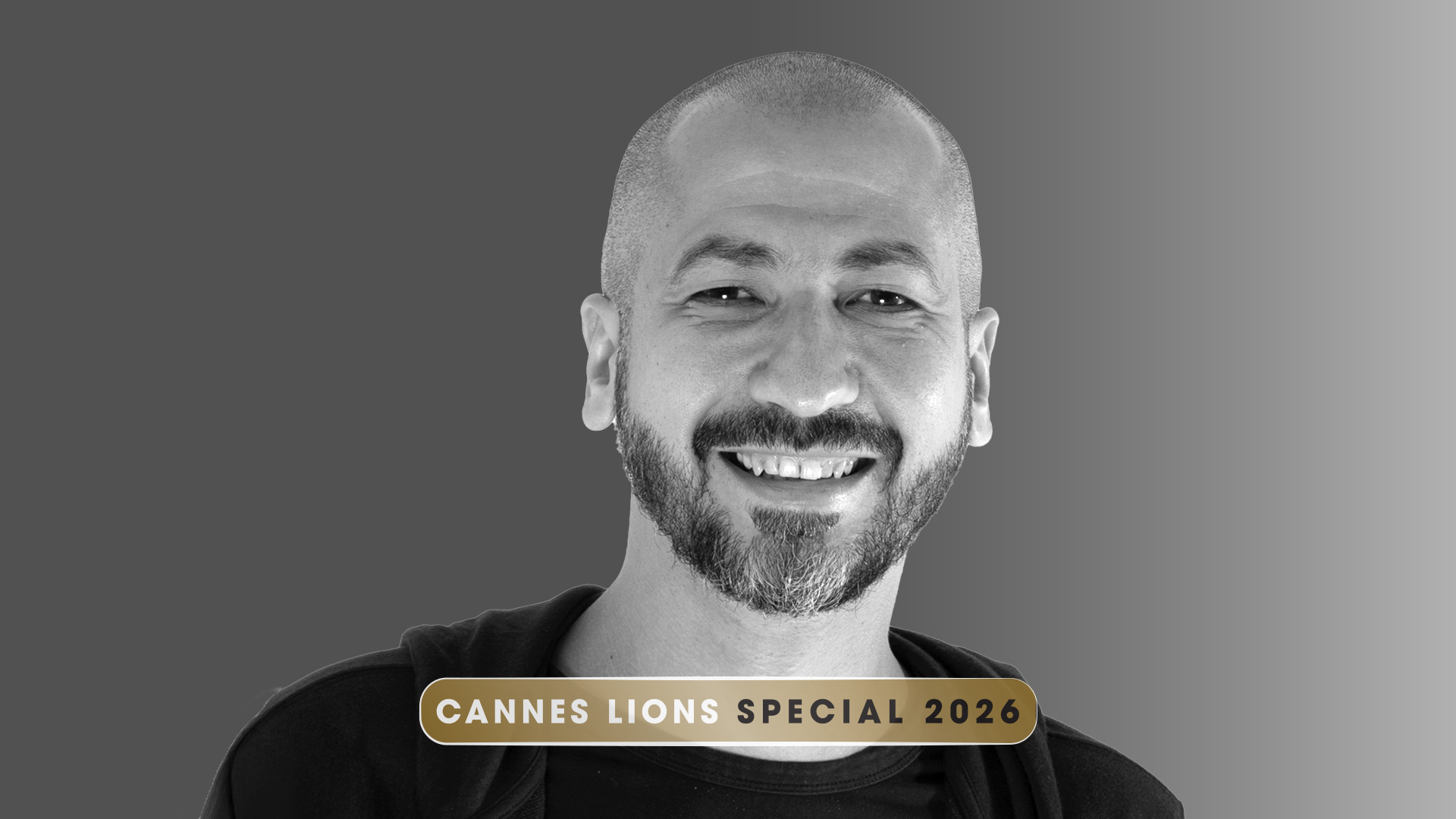
As Cannes Lions 2026 unfolds, the global creative industry is navigating a new era shaped by data, creators, platform-first storytelling and measurable business impact. In this interview, Youssef Gadallah, Head of Creative Studio at TikTok METAP, discusses what will separate award-winning work from the rest, why the Middle East has emerged as a serious force in global creativity, and how brands can balance craft, authenticity and speed in a rapidly evolving digital landscape.
As expectations of creativity continue to shift, what will distinguish the most-awarded work at Cannes Lions 2026?
The beauty of creativity is that it never stands still. It changes every year, and I’ve always seen Cannes Lions as the place that sets the new benchmark for the industry.
For me, the work that will stand out in 2026 is still the work built on brave ideas. Not just big ideas for the sake of being big, but ideas that are beautifully crafted, rooted in a real problem, and able to offer a real solution.
What feels different now is the role of data and business impact. The strongest work will be the work that can prove it moved something, whether that’s culture, behavior, perception, or business results. I think the best ideas this year will be the ones that bring together bravery, craft, data, and measurable impact in a way that feels effortless.
What are your expectations for Cannes Lions 2026, and how do you assess the evolution and global competitiveness of work coming out of the Middle East?
A few years ago, we may have needed more time to answer this question. Today, I think the answer is much clearer. The work coming out of the Middle East is not just improving; it is competing globally and has already proven that it can win some of the biggest metals at Cannes Lions.
There are a few reasons behind this shift. The region has become a place that attracts amazing talent, while also giving younger creative voices the chance to take bigger steps earlier in their careers. We are also seeing braver clients who are more open to taking risks, trying new approaches, and trusting ideas that challenge the usual way of doing things.
Platforms have also played a big role in opening up new creative opportunities and pushing the conversation forward. Add to that a stronger focus on data-driven creativity and business impact, and you start to see why the region is becoming more competitive.
For Cannes Lions 2026, I expect the Middle East to continue showing that it is not an emerging creative market anymore. It is a serious global player.
If everything is “content” now, what actually qualifies as craft anymore?
Content is king today. It has become one of the strongest ways for brands to build deeper engagement and a real connection with people.
But I think we need to look at craft in content with a different eye. It is not the same as judging a TV film or a traditional piece of advertising. Of course, framing, lighting, editing, and production quality still matter, but content craft is much wider than that.
Craft today is in the subject itself, in the storytelling, in the authenticity, and in the ability to remove the wall between the brand and the audience. It is about knowing how to speak in a way that feels natural, not forced. It is about building the right community, not just pushing out another message.
So, for me, craft in content is not only about how polished something looks. It is about whether people feel it, trust it, engage with it, and want to be part of it.
Are brands still overthinking digital while creators are outpacing them in real time?
I think brands are taking the right steps toward digital and social transformation. Many brands understand now that they need to move differently, think differently, and become more connected to culture.
But creators have definitely built something that brands can learn from. They understand their communities deeply. They know how to create engagement, build trust, and react in real time without making the process feel too heavy.
That is why partnering with creators today is not just a nice add-on; it is mandatory. The right creator partnerships can give brands a much stronger push because creators bring authenticity, speed, and a real connection with audiences.
For me, it is not about brands versus creators. It is about how brands can work with creators in a smarter and more meaningful way. When the partnership is right, both sides bring something valuable: creators bring community and cultural instinct, while brands bring scale, ambition, and long-term vision.
Does high production value still matter, or is speed the new standard of excellence?
I think this will remain a creative debate for some time, but one thing is clear: production value cannot be one size fits all.
The right level of production depends on the campaign, the platform, and the audience. TV production is different from outdoor production, and both are very different from social production. Even across social platforms, the way we produce should change depending on the algorithm, the format, and how people behave on that platform.
High production value still matters, of course, but only when it serves the idea and the environment where the work will live. Sometimes a beautifully produced film is exactly what the campaign needs. Other times, speed, relevance, and authenticity can create a stronger impact than something that looks overly polished.
So, I don’t think the answer is production value or speed. The real standard of excellence is knowing when to use each one. The best brands will be the ones that can balance quality with agility and understand what each platform and audience actually needs.