Since the Mad Men era, marketers have largely been trained to think in campaigns: build the big idea, distribute it across channels, measure the response, then move on.
Samsung and Spotify are making a different argument. As connected ecosystems become part of everyday life, the most powerful brand experience may be the one consumers barely notice.
The two companies have expanded their partnership across MENA, Türkiye and Pakistan, offering eligible Samsung customers up to four months of Spotify Premium on selected devices. The promotion spans Samsung’s connected ecosystem, from Galaxy smartphones and Buds to TVs, sound devices and watches.
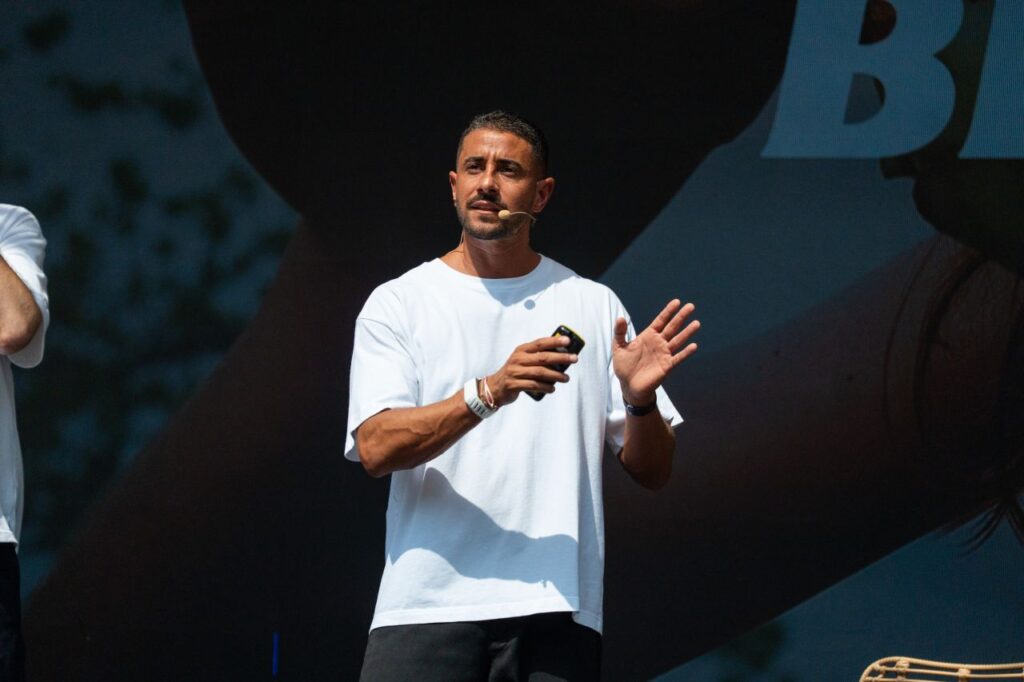
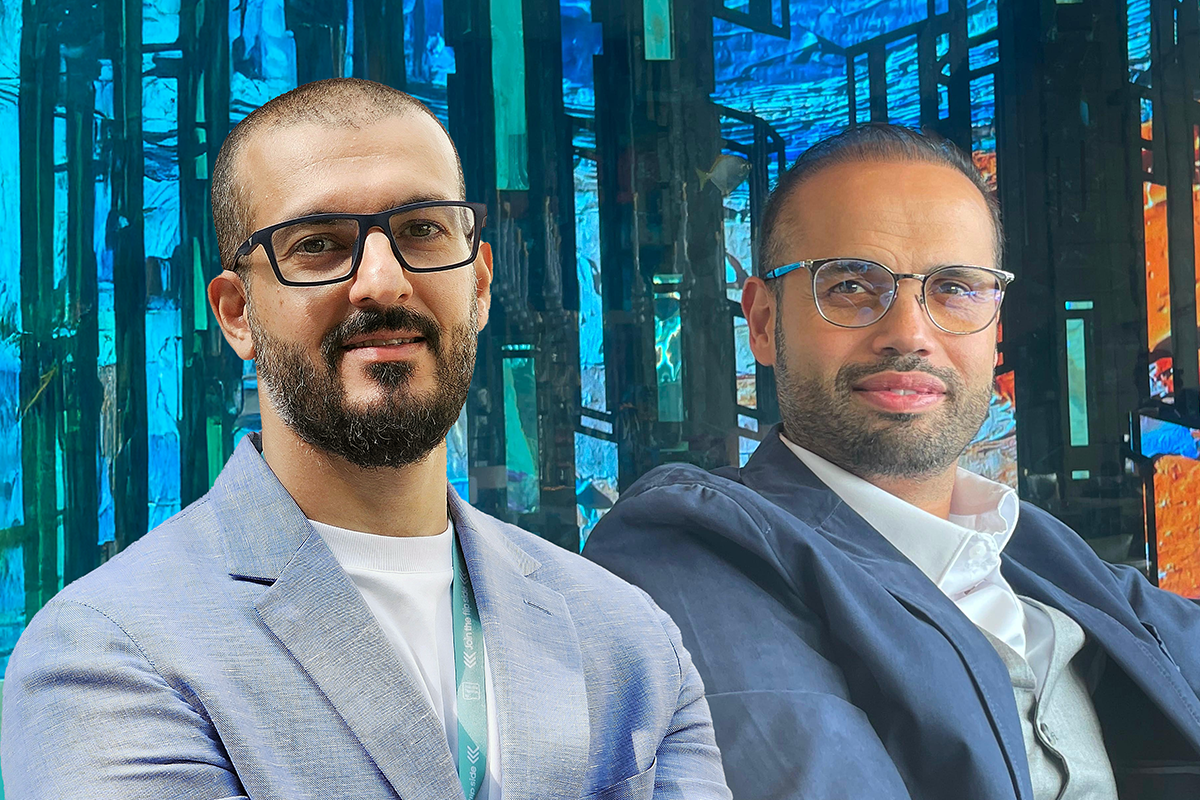
But the more interesting story is what the partnership says about where brand experience is heading. For Omar Saheb, Regional VP of Marketing and Online Business at Samsung Electronics MENA, the shift is from selling individual devices to creating an ecosystem that consumers remain inside. “A phone on its own is a product. A phone that knows your smartwatch, your TV and your buds, and moves your music between them seamlessly, is an experience you stay inside,” Saheb argues.
That has implications beyond Samsung. If a consumer can start an album on the commute, continue it at home and control it from a watch without having to think about the technology connecting those moments, the experience itself is doing some of the work traditionally assigned to advertising. Saheb puts it succinctly: “For brands, that means the experience itself becomes the communication vehicle. Continuity is the message.”
It is a useful distinction for marketers navigating increasingly fragmented attention. The challenge is no longer simply creating enough touchpoints. It is making those touchpoints feel like one connected experience.
Spotify’s Rami Jamal, Head of Partnerships for South Asia, Middle East and Africa, sees the same shift from the platform side. For brands, he argues, the question is moving beyond where and when to reach consumers. In Rami’s words: “In a world where so much is competing for people’s attention, the question shouldn’t simply be, ‘How do I reach someone at the right moment?’ It should be, ‘What can I add to this moment?’”
That is particularly relevant in a region where music sits close to culture, identity and social behaviour. Spotify says nearly seven in 10 streams across MENA, Türkiye and Pakistan on Samsung devices come from listeners aged 18 to 34, putting younger audiences at the centre of the partnership.
But neither executive frames Gen Z engagement as another opportunity to create louder brand messaging. Saheb argues that brands earn relevance by becoming useful inside behaviours that already exist. He says, “Emotional connection with this generation is not won through messaging. It is won by being genuinely useful in the moments that matter to them.”
For agencies and brand teams, that raises a bigger question about the role of partnerships. If the strongest collaborations are no longer simply media vehicles or promotional tie-ups, they need to create something that neither brand could deliver alone. Jamal’s definition is this: “The real question is what becomes meaningfully better for the consumer when those businesses come together.”
That may be the real test for ecosystem marketing. Not whether two brands can share an audience, but whether the consumer can actually feel the difference.