Luxury brands are investing heavily in growing their Middle East business. Bvlgari, that is among the top 3 in the jewellery segment in the region, is investing in powerful localized content and talent to deliver their story and enchant their customers.
Bvlgari marketing and communication department led by Victoire Pozzo Di Borgo, is on an aggressive roll to grow to the top position in the jewellery segment. With heavy investment in media and content it is leading the charge against the category leader Cartier, and one of Communicate’s Best Brand 2026.
Di Borgo worked with Chanel, Chalhoub, and Puig before joining Bvlgari in 2023. With strong understanding of the region, she brought the same instinct for pairing global brand storytelling with local creative voices into a very different story: The Girl I Needed, its film marking Emirati Women’s Day 2026.
For over six years, Bvlgari has run an Emirati Women’s Day campaign, and Nathaly Khory, the brand’s Public Relations and Media Manager, calls this year’s iteration especially personal.
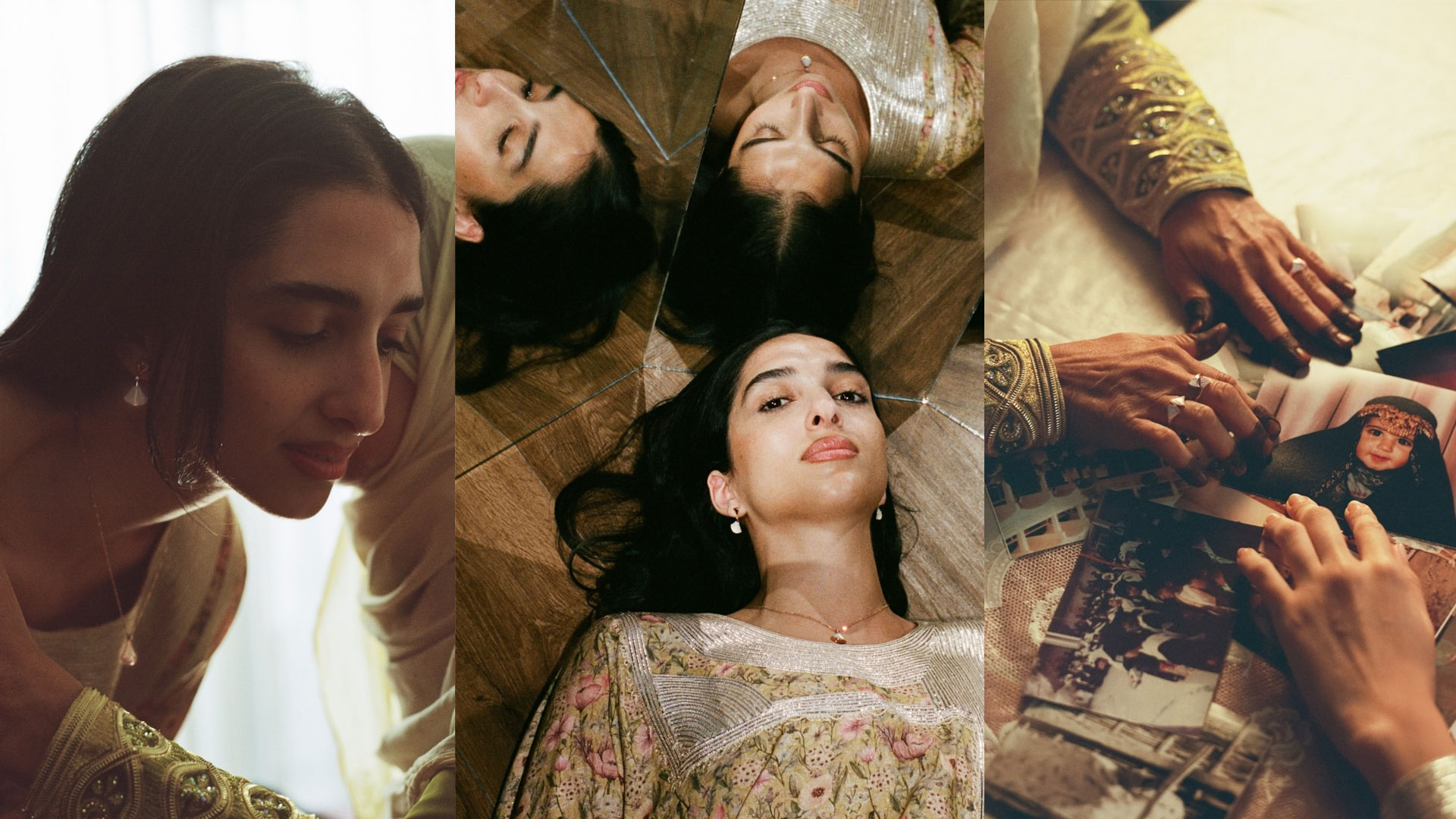
Created to honor the occasion, the cinematic short follows Mariam, tracing her journey from childhood into adulthood to explore the evolution of female identity across different stages of life. Her story becomes a vehicle for something bigger: the wisdom passed between generations, the women who shape us and the courage to become fully ourselves. Rather than portraying empowerment as a destination, the film treats is as an evolving journey rooted in courage, personal growth, and authenticity.
It is a familiar idea, but Bvlgari gives it a distinctly local lens. A grandmother’s voice narrates Mariam through three stages of her life, closing on the line: “Everything you thought you needed, you always had” a fitting echo of the film’s Arabic title.
The film pays tribute to the resilience of UAE women who have paved the way for future generations, creating a poetic bridge between heritage and modern achievement. At its heart is a simple proposition: strength is not about becoming someone else. It is about having the courage to remain yourself. It is, in Bvlgari’s own framing, a celebration of the strength, grace and collective ancestral wisdom that binds Emirati women, and of their legacy as anchors of society and builders of generations.
For marketers and brand leaders, the interesting bit isn’t simply that Bvlgari made an Emirati Women’s Day film but it’s who it trusted to tell the story.
The Maison partnered with Butheina Kazim, founder of Cinema Akil, as creative collaborator and executive producer. Khory says it was Kazim who shaped the concept and proposed the wider creative team, with Bvlgari aligning around her choices. The film is written and directed by Taqwa Bint Ali, produced with Studio HARAKA, with Osama Mutasem as producer, Anas Alkassim as Director of Photography and Mariam Shamma as the lead actress. That is a distinctly regional creative constellation.
And it points to a bigger shift in the Gulf’s luxury and advertising landscape: local talent is increasingly moving from the brief’s margins to the centre of the creative idea.
Localisation asks: How do we make our global campaign work here?
Authorship asks: Who from here can tell this story in a way nobody else could?
Bvlgari’s film leans toward the second. Rather than simply attaching an Emirati Women’s Day message to a global luxury campaign, the brand has built the narrative around women, memory, identity and intergenerational wisdom, with regional cultural and filmmaking voices shaping the work.
For CMOs, brand heads and marketers, that’s a useful distinction. Cultural relevance is no longer just about casting local talent, finding the right setting or translating the copy. The creative team itself can be the cultural strategy.
It’s paying off in the numbers too. In Khory’s words, the campaign has overachieved against every prior Emirati Women’s Day campaign, despite running as a long-format video.
And for the region’s creator economy, there is another signal here. The people making the work are moving fluidly between film, fashion, culture and branded content. Taqwa Bint Ali’s work with Amouage and now Bvlgari is one example. Studio HARAKA’s involvement shows how Gulf production companies can increasingly operate as creative partners, not simply production suppliers.
Then there is Kazim. As founder of Cinema Akil, she brings an independent film and cultural perspective to a global luxury brand. It is an unusual combination, and perhaps that is exactly why it works.
The result is a campaign that feels less like a traditional brand partnership and more like a meeting point between luxury, cinema and Gulf cultural storytelling. And that is the bigger story. The Gulf’s creative industry is not simply producing more campaigns. It is building a deeper bench of people with a point of view.
Asked whether Gulf creative talent can now originate luxury campaigns that travel beyond the region, Khory doesn’t hedge: “Of course,” she says, the region, in her view, should be proud of what it has and push it globally. For global brands looking at the region, that may ultimately be the more valuable luxury.
Campaign credits
Brand: Bvlgari Campaign: The Girl I Needed (كل ما تتمنين) Occasion: Emirati Women’s Day 2026 Theme: “Together, We Rise Stronger and Better.”
Written and directed by Taqwa Bint Ali, whose work is driven by a deep commitment to storytelling that connects. Through narratives rooted in human experience, Taqwa explores emotion, identity, and culture in ways that resonate across borders.
Produced in collaboration with Studio HARAKA, a multidisciplinary studio rooted in movement and the cultural rhythms of the Gulf, the film brings together a distinctive visual language and an authentic perspective to celebrate the stories of Emirati women.
The film was brought to life through the creative vision of Executive Producer Butheina Kazim, Producer Osama Mutasem, Director of Photography Anas Alkassim, and Lead Actress Mariam Shamma, whose collective contributions shaped the film’s emotional depth and visual expression.