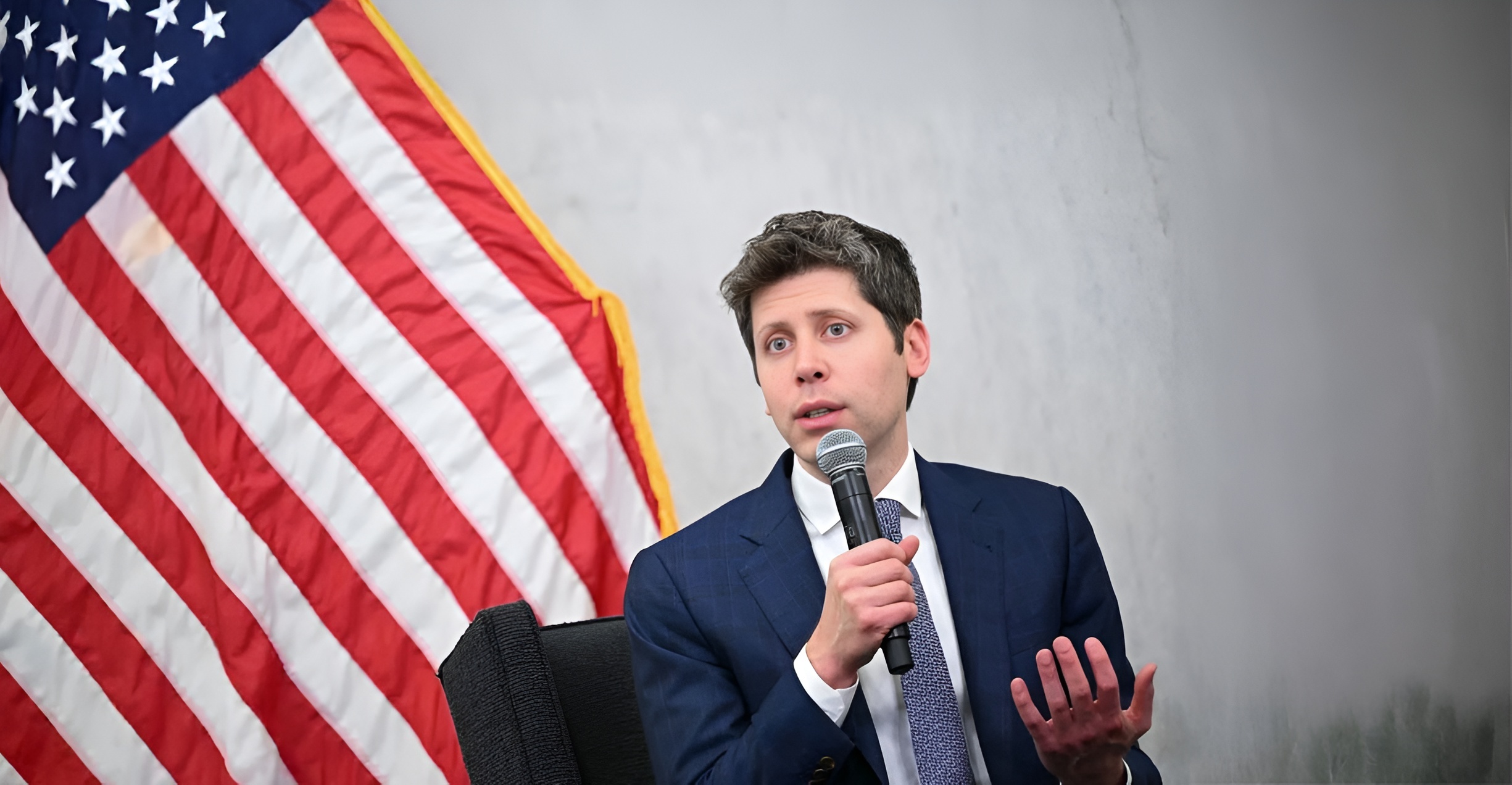
Anthropic appears to be gaining new users and visibility following a defence-related agreement OpenAI signed with the United States Department of Defense (Pentagon), triggering online criticism and calls to boycott ChatGPT.
The controversy emerged after news of OpenAI’s partnership to provide artificial intelligence capabilities for defence applications. While full details of the contract remain unclear, the association with military systems sparked ethical concerns among some users, particularly around potential uses such as surveillance, intelligence analysis, and operational planning.
Soon after the reports surfaced, the hashtag “Cancel ChatGPT” began trending on social media platform X (Twitter), with some users urging a shift toward rival AI platforms.
Anthropic positions Claude as an alternative
Rival AI firm Anthropic appears to have benefited from the backlash, with increased attention on its AI assistant Claude (AI assistant). The company has promoted features such as a memory import tool that allows users to transfer chat histories from other AI platforms, positioning the move as a way to “switch without starting over.”
The feature, previously limited to paid users, has now been made available for free, a move widely seen as an attempt to attract users reconsidering their reliance on ChatGPT.
Ethics debates reshape AI competition
The episode highlights how ethical positioning is becoming a competitive factor in the fast-growing generative AI market. As governments deepen partnerships with AI companies, their commercial decisions are increasingly being scrutinised through political and ethical lenses.
Industry observers say such controversies can temporarily shift user sentiment even if market leaders retain dominance. ChatGPT remains the most widely used consumer AI chatbot globally, but the incident shows how quickly competitors can gain momentum when controversies arise.
The developments also underline a broader trend: as AI becomes strategically important to national security and economic competition, technology companies are finding themselves navigating complex trade-offs between commercial opportunities, public perception, and ethical commitments.