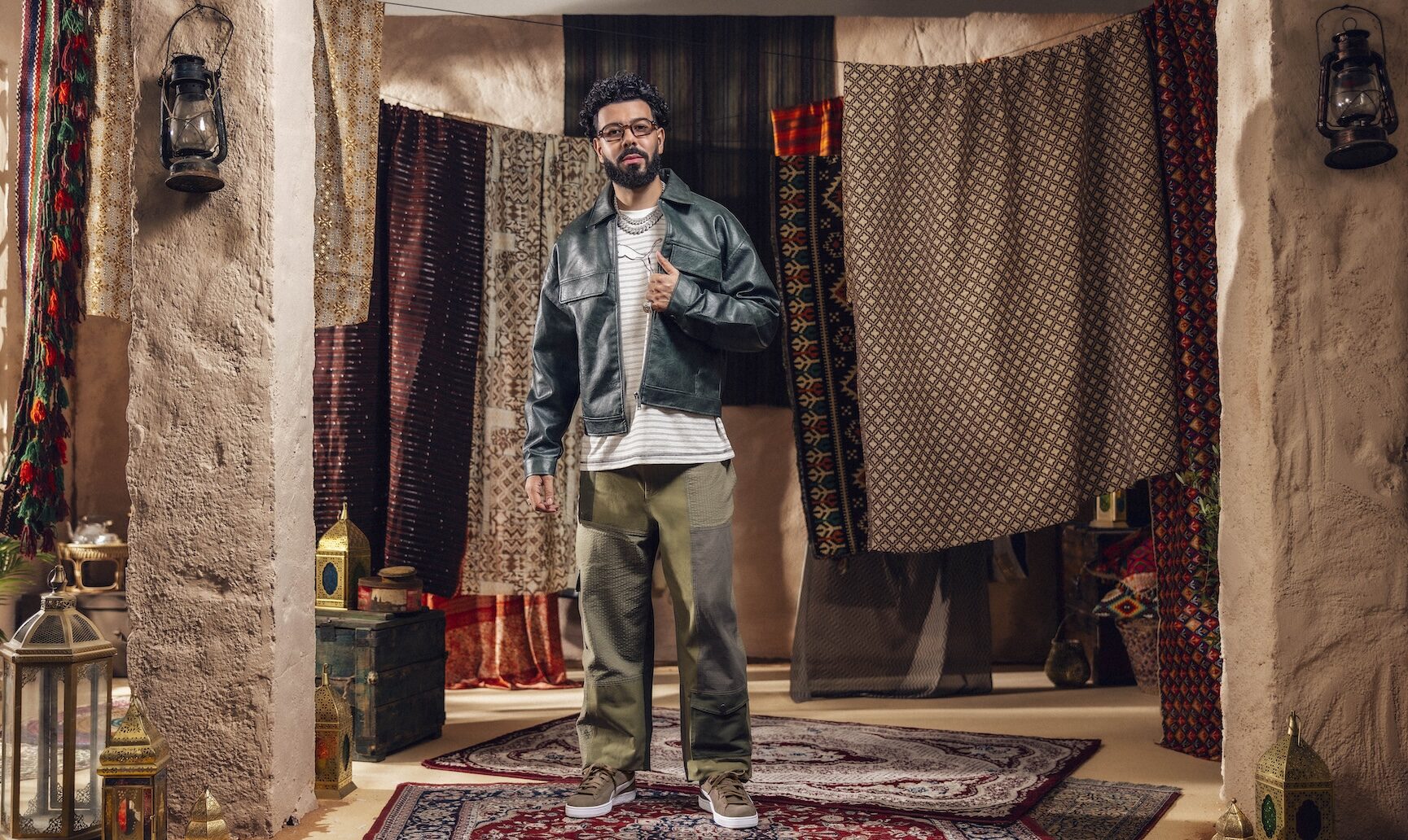
PUMA Middle East has launched the latest regional chapter of its global “Never Not Suede” campaign, partnering for the first time with Moroccan-Belgian artist DYSTINCT to celebrate self-expression through music, fashion and sport.
The campaign highlights the enduring legacy of PUMA’s iconic Suede sneaker, which has been embraced by athletes, musicians, skaters, dancers and creatives since its debut in 1968. The regional campaign explores the influences that have shaped DYSTINCT’s identity through three themed worlds, each paired with a signature colourway from the latest Suede collection.
The music-inspired setting, featuring vintage speakers, vinyl records and references to DYSTINCT’s artistic journey, is matched with the classic black Suede. The fashion world draws on Moroccan streets, traditional patterns and contemporary influences, complemented by the coffee brown Suede. The sports-themed environment celebrates DYSTINCT’s passion for football and Moroccan sporting culture, with jerseys, trophies and memorabilia showcased alongside the bold orange Suede.
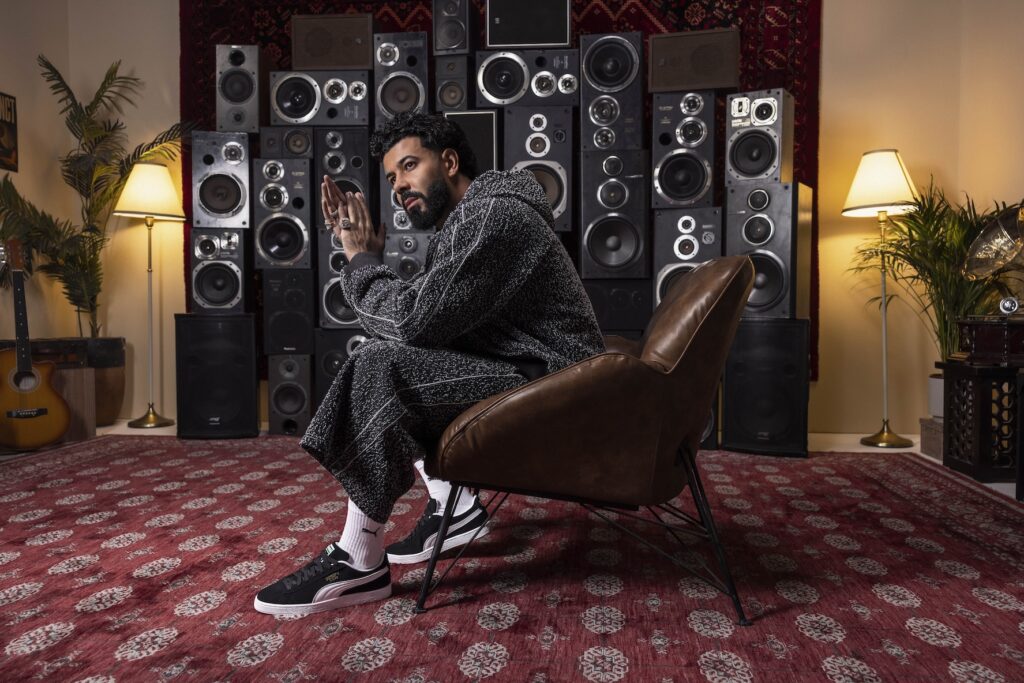
According to PUMA, the campaign reflects the Suede’s long-standing role as a platform for individuality and creativity, encouraging wearers to express themselves while remaining true to their identity.
“This partnership marks an exciting first for PUMA Middle East as we collaborate with a regional artist who genuinely reflects what the Suede has stood for over the years,” said Jonathan Bannister, Head of Marketing at PUMA Middle East.
He said DYSTINCT has built his own legacy by blending cultures, languages and creative influences while staying connected to his roots. “That authenticity made him the right partner for this campaign, and together we’ve created a story that feels true to both him and the legacy of the Suede,” Bannister added.
Beyond DYSTINCT’s story, PUMA Middle East has also released a series of social films featuring dancers, skaters, DJs, graffiti artists and fashion creators from across the region. The films highlight how different creative communities have contributed to the Suede’s cultural legacy and continue to use the silhouette as a form of self-expression.