Now we know why FMCG brands must shift from channel obsession to product truth, innovation, and shopper relevance in 2026.
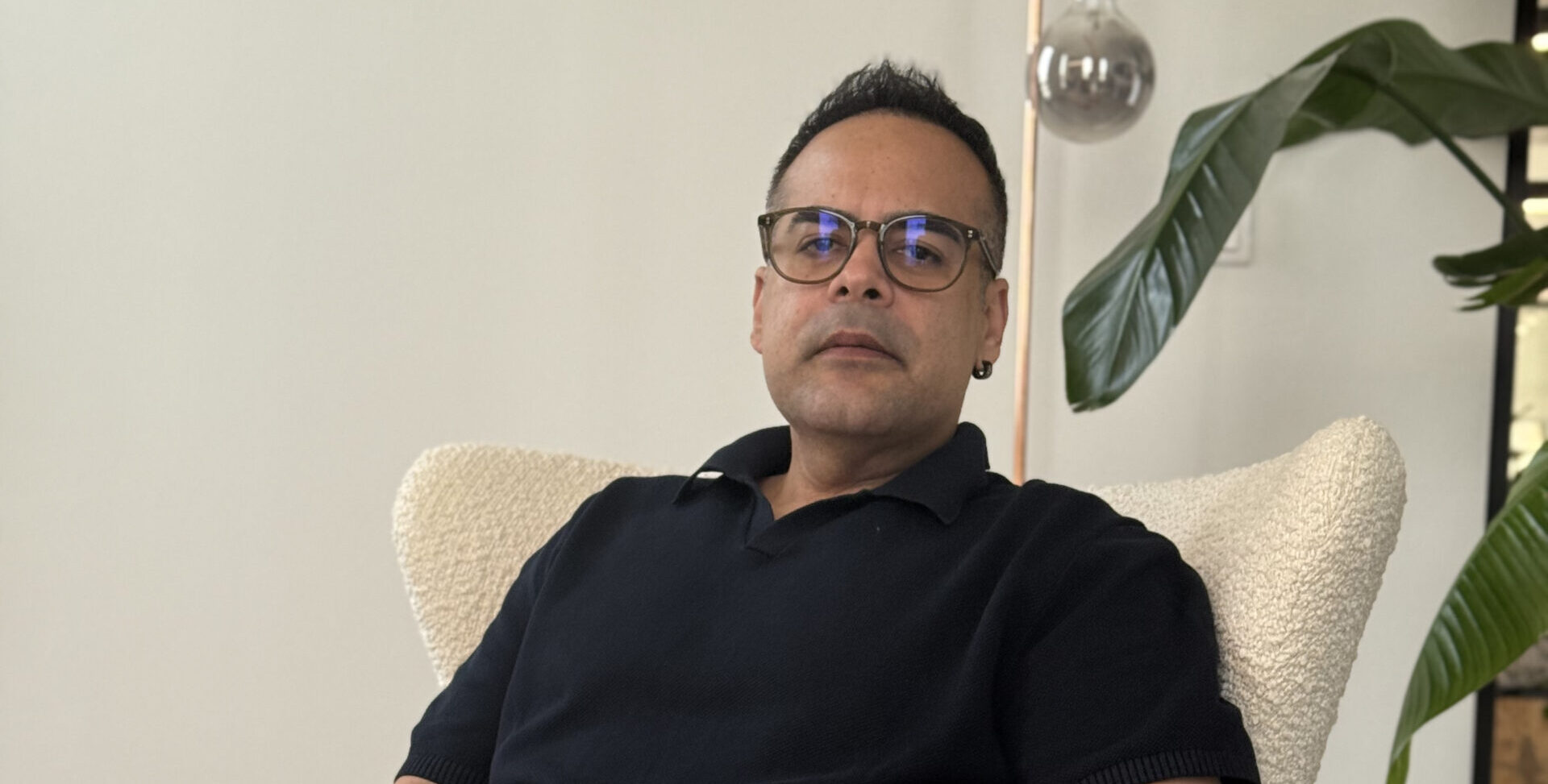
Retail media, AI, social commerce, omnichannel – the marketing playbook grows more complex by the day. But according to Sachinn J Laala, CEO of Liquid Havas, the industry may be solving the wrong problems. Drawing on decades of regional experience and a client roster dominated by global CPG giants, Laala makes a case for going back to fundamentals: product relevance, innovation, and clear shopper-centric messaging.
How is the CPG industry evolving, and how do you see it moving forward in 2026? What trends, and what impact have those trends had on the FMCG space?
There are two key trends. One is, of course, something we started Liquid with back in 2016—saying, “Guys, you cannot look at offline and online in silos.” I’m a shopper. I want one seamless shopping experience.
I want things to connect from offline to online and online to offline. It doesn’t matter which channel comes first, because today, if a shopper wants to order toothpaste, they don’t care if it’s coming from InstaShop or Carrefour offline. They want the toothpaste to solve a problem they have.
Omnichannel used to be a trend. Today, it’s a necessity. It’s something brands simply need to do.
But I think the big shift I’m seeing personally is that people are leaning more toward niche brands. Rather than focusing on a company that sells shampoo, toothpaste, and laundry, they want to go to someone who only does toothpaste—and does toothpaste for a living. They do a good job of it.
It doesn’t need to charge a million dirhams. We don’t want to overpay for what we’re doing, but we want someone who is more specialized, who makes us feel that the brand is giving us the best value for money. So that’s been a shift I’m seeing more and more. People have become less brand-conscious. They’ve become more product-conscious.
How do you see things moving forward, especially now with AI amplifying everything?
Even more so, you need to be very product-conscious. Yes, your brand needs to stand for something, and you should have a brand ethos, and all that is important. But does your product really deliver on what it says it will deliver, or are you just relying on good messaging skills?
I think every brand is being held accountable a lot more than in the past. You can’t say something and have the product not deliver—you’re not going to get a repurchase.
When we talk about loyalty and channels becoming multichannel, how do you see the transactional component of the relationship changing?
Loyalty is out the door. People are not buying you because they have known you for a while. I think trust is still important. They want to trust what they are buying. Loyalty, not really, because the reality is that earning money has become harder. If I’m spending money on a product, I want to buy the best product possible.
Today, there are websites available to check how new brands are doing. You can literally go online and look up, “This brand is promising this, this product is promising this—is it really doing this or not?” That’s quite astonishing. We didn’t have all this three or four years ago. So you can’t really hide under a rock anymore, which leads to innovation.
So I think brands that are spending money and keeping their finger on the pulse of relevance—knowing what innovation is available in the market—will win. It’s not just good brand messaging. Is your product actually evolving? A few years ago, charcoal in toothpaste became big, and then charcoal became big in all products. But now it’s not relevant anymore. So what is the latest technology that the R&D guys are pushing forward? And is my brand using that?
I think R&D becomes important. The product itself becomes super important. That’s where shopper marketing is standing out.
If we look at the GCC versus the rest of the world, what’s unique about the GCC?
I think in the GCC, retail here is a cultural experience. It’s not a chore. If I were doing grocery shopping in Europe, I would want to get in and out of the store as quickly as possible. Whereas when I think of the Middle East, it’s an exploration, a discovery—it’s not just convenience. We also want to look at what’s available out there.
So the GCC has always enjoyed very good retail physical spaces. But we were always catching up on the online experience. You have Q-commerce, you have mainline e-commerce, you have physical stores. Today, they all have strong infrastructure and facilities. In the Middle East, we have three big benefits: the workforce is more affordable, the infrastructure is already set up, and people are already using the channels. That means I can test and learn. I can launch a new facility—say, a 10- or 15-minute delivery promise—and then three months later, I can say, “Okay, this worked, let me tweak it. This didn’t work, I’m shutting it now. I’ll restart again. The GCC allows rapid test-and-learn innovation, something impossible in many other markets.”
(Read this interview in the latest CPG issue of Communicate here)