At Cannes Lions myriad ideas compete for attention. But behind every winning campaign are countless others that never make it out of the meeting room. Ideas that were considered too ambitious, too early, or simply too different.
This year, the UAE Government Media Office decided to speak directly to those ideas and the creatives behind them. Instead of using Cannes to promote the UAE as a destination, the campaign created an invitation: bring the ideas that were rejected elsewhere and find out what happens when they meet a place built around turning ambition into action.
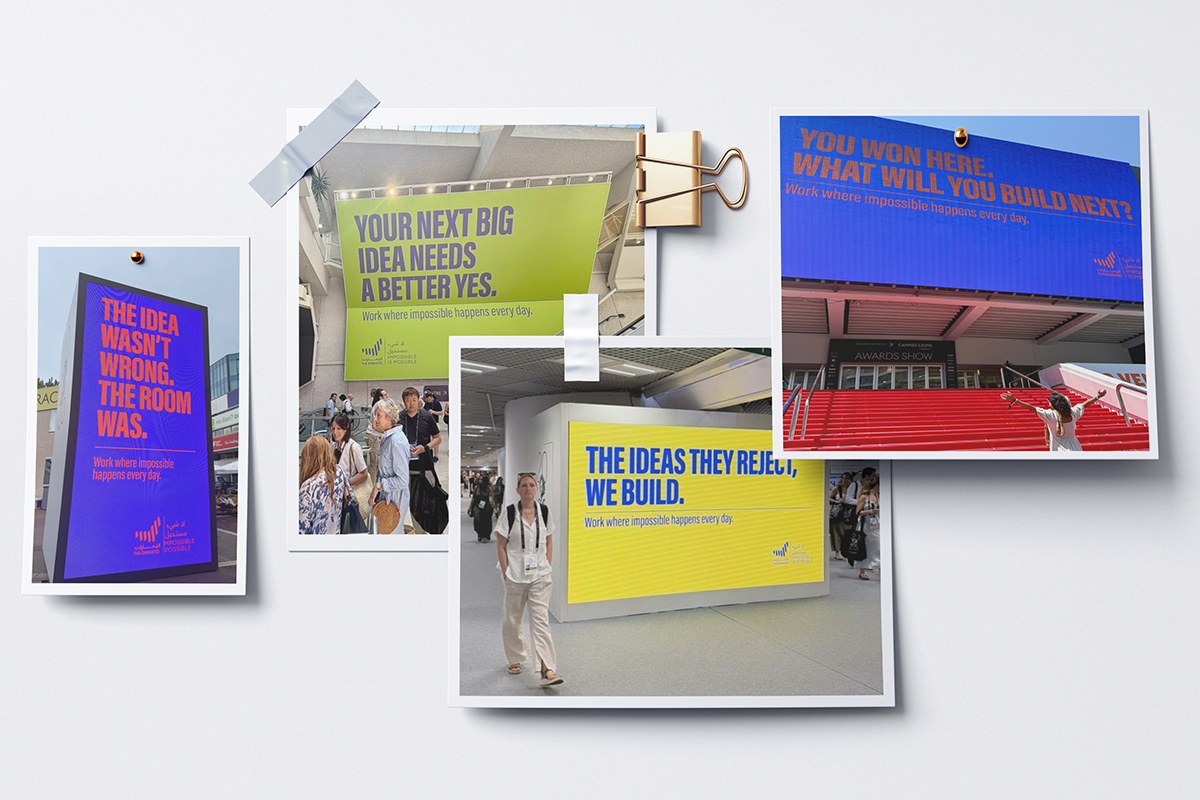
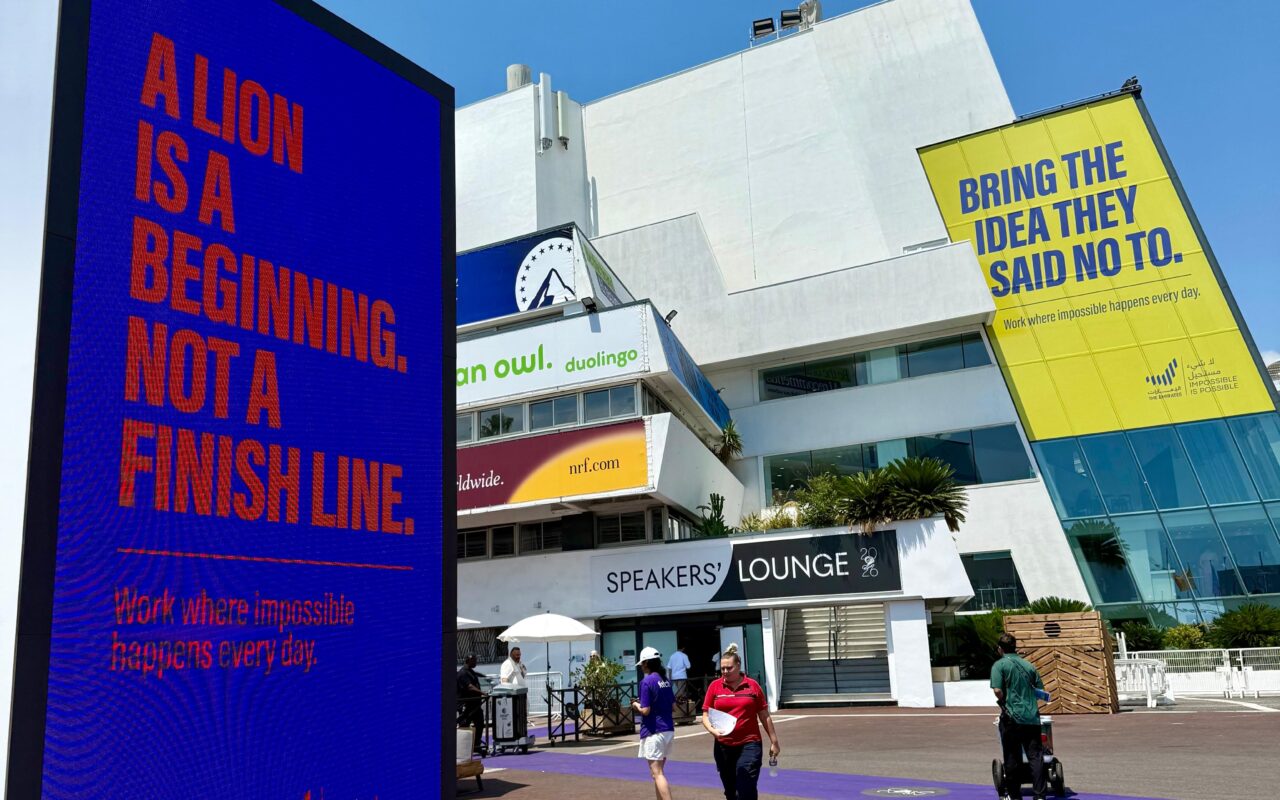
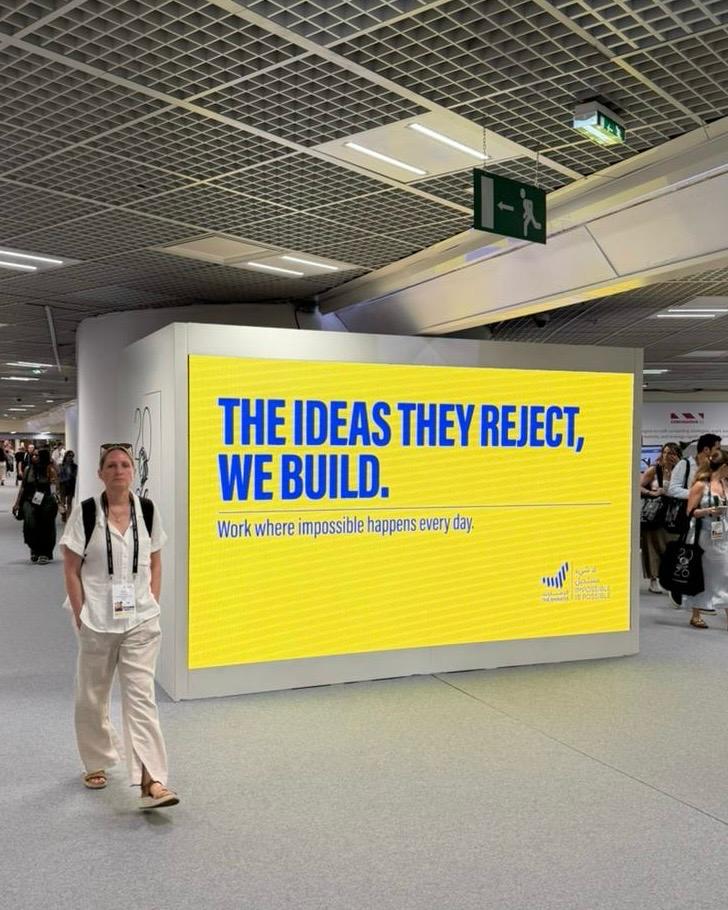
Created with IMPACT BBDO, the campaign took over key Cannes prime locations with bold messages including “The Ideas They Reject, We Build” and “The Idea Wasn’t Wrong. The Room Was.” And “A Lion is a Beginning. Not a Finish Line.” The work tapped into a feeling many creatives know well: sometimes an idea does not fail because it is wrong. Sometimes it simply lands in the wrong environment.
Now in its third year at Cannes Lions, the UAE’s presence reflects a wider shift in how countries are telling their stories. The competition is no longer only about attracting visitors or investment. It is about attracting talent, creativity and the people behind the ideas shaping the future.
In an interview with Communicate, Khaled AlShehhi, Executive Director of Marketing and Communication, UAE Government Media Office, shares the thinking behind the campaign, why the UAE sees creativity as part of its national identity, and how the country is positioning itself as a place where bold ideas can move from a pitch deck to real-world impact.
Full interview below:
Watching the campaign, it almost felt like the UAE wasn’t promoting a destination but it was recruiting the world’s creatives. Was that the idea? And where do you see the UAE fitting into the global creator economy over the next few years?
Yes. The invitation was direct. We were not promoting a destination. We were speaking to the people who make ideas, and telling them that this country is where their next one can be built. The UAE is not a place you visit. It is a way of operating. When the country’s leadership commits to an ambition, the environment moves with it. One good idea clears the ground for the next. The UAE is positioning itself to be one of the main homes of the global creator economy, not one of its markets. A home is where you build, not where you visit. They come here and stay. That is the shift the next few years will make more visible.
“Bring the idea they said no to” is a great line. Is it also a promise? Once someone brings that idea here, what happens next? How is the UAE turning bold ideas into businesses, brands and real-world impact?
It is a promise, and the country stands behind it. What happens next is not marketing. It is the way this country processes a serious idea. Most places send bold ideas to the committee. The UAE sends them to execution. Leadership listens quickly. Decisions move quickly. The bureaucracy that usually slows an idea down here is either removed or built around the idea instead of against it. That is why what would take years elsewhere gets built here in months. Real impact does not come from good intentions. It comes from countries that treat ambition as an operating priority, not a talking point. That is what the UAE is now.
This is your third year making noise at the Cannes Lions Festival of Creativity. Why is Cannes such an important platform for telling the UAE’s story?
Creativity is not something we visit at Cannes. It is how this country lives. It is in our streets, in our policies, in how our leadership talks about the future. When H.H. Sheikh Mohammed Bin Rashid Al Maktoum writes that the future belongs to those who imagine it, design it, and execute it, that is not a slogan. It is how the country operates. Cannes is where the global creative industry gathers. The UAE is where creativity is a national operating character. Both need each other. We are there to contribute, to elevate the conversation, and to show that governments can be bold, diplomatic, and creative at the same time.
The campaign felt less like government communications and more like a global brand campaign. Has the role of government marketing changed? And are governments now competing for talent, creators and ideas in the same way brands compete for consumers?
Yes. The role of government marketing has changed because the audience has changed. Countries are competing for talent, creators, and ideas now. The ones that understand this are already ahead. Ideas travel to the places that welcome them, and the government that shows up seriously in that conversation earns something no advertising can buy. On the room question, the biggest challenge in creativity today is not a shortage of ideas. It is a shortage of rooms brave enough to back them. Most ideas do not fail because they are wrong. They fail because they arrive too early, too honest, or too ambitious for the room they land in. On our own, the discipline is to keep saying yes when the idea is right, defend it internally, and treat creative ambition as a strategic capability, not a nice-to-have. That is something you earn every year, on every brief.