Egypt’s FMCG market does not behave like a textbook case. It behaves like a living system: fast-moving, unpredictable, and shaped as much by resilience as by scale.
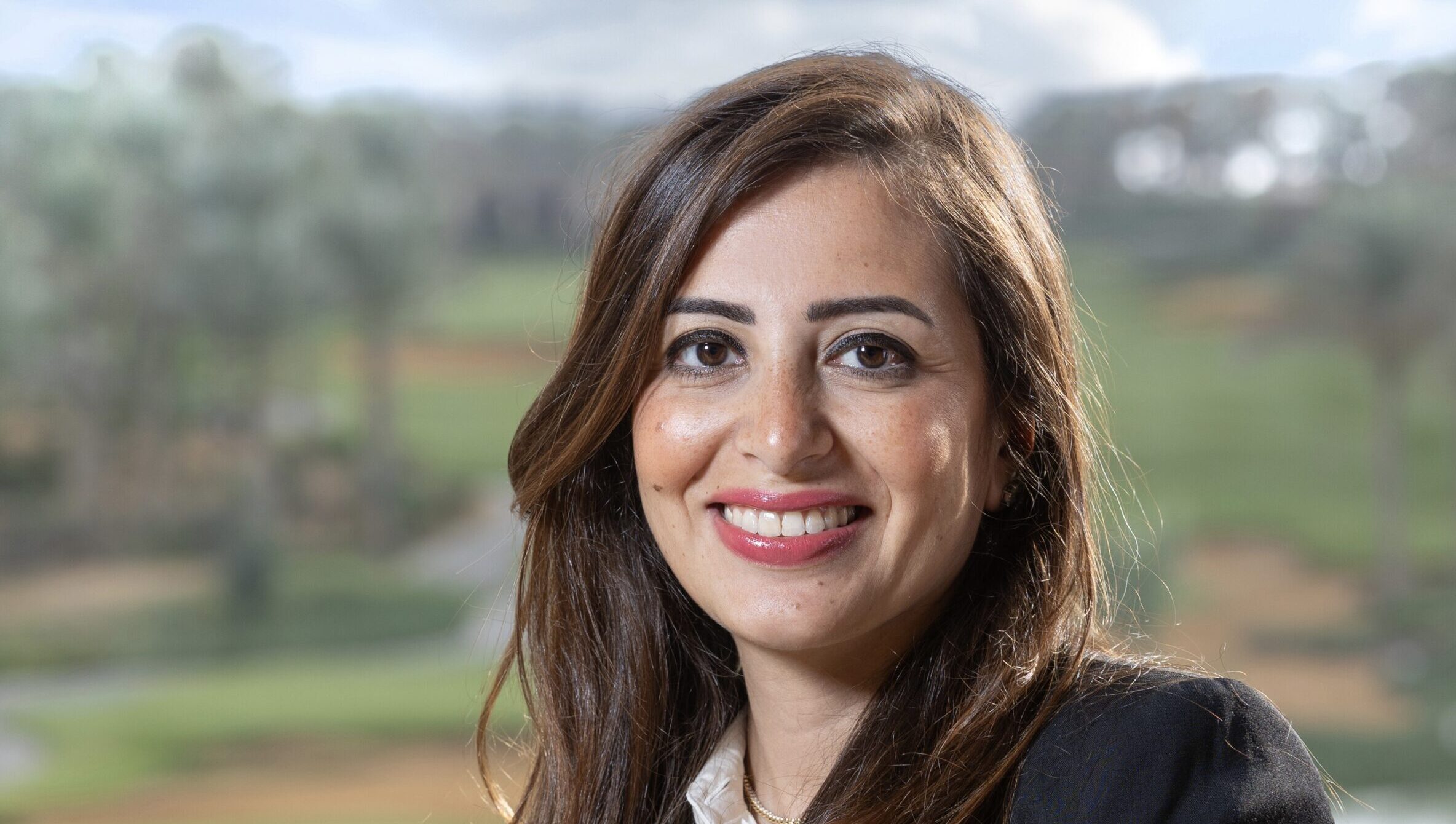
For Engy Elmaghraby, Vice President Marketing at Beyti, that is exactly what makes it one of the most interesting consumer markets in the region.
“If we talk FMCGs, it’s a very, very big market with major players, global, regional, and local,” she said. “Many of the local players are actually some of the biggest FMCGs in Egypt, ranking among the top 10.”
That mix of global giants and strong local champions like Juhayna, Egypt Foods, and others creates a competitive environment where learning is constant, and boundaries between categories and capabilities are always shifting.
But what really defines Egypt is not just competition. It is people.
“It’s a very, very young population. More than 50% of the population is under 25,” Engy said. “So this is amazing because the opportunity is immense.”
That youth advantage, however, exists alongside economic turbulence that has become almost cyclical. Currency devaluations, inflation pressures, and external shocks have repeatedly reshaped spending behavior. But instead of breaking the market, these cycles have built a kind of consumer muscle memory.
“You go through a devaluation, but then you emerge strong. It takes a couple of years, and then you do it again,” she said. “People are now more used to it than before.”
For marketers, this means macroeconomics is never abstract. It is always present in how people shop, choose, and prioritize.
“If they don’t talk to me about COVID and the devaluation of 2016, then there is a problem.”
COVID, in particular, reshaped food consumption in a very direct way. In-home eating surged, habits shifted, and categories like dairy became even more central because of their perceived nutritional value.
“Luckily for us, consumers believe that dairy products are important sources of protein and calcium, and that they are the main source of nourishment,” she said.
At the same time, recovery is now visible in out-of-home consumption, but one lesson has stayed firm: affordability is not a segment; it is a reality across the market.
“One of my biggest learnings for Egypt is the importance of smaller SKUs or smaller product sizes,” she said. “Because every three years, every four or five years, consumers get hit by devaluations, and their out-of-pocket gets affected.”
To understand Egyptian consumers properly, Engy often simplifies them into real-life portraits rather than abstract personas.
“Mona is 35 years old, she works as a teacher, and she has two kids who are eight and seven,” she said. “They spend around 5K EGP per week on food.”
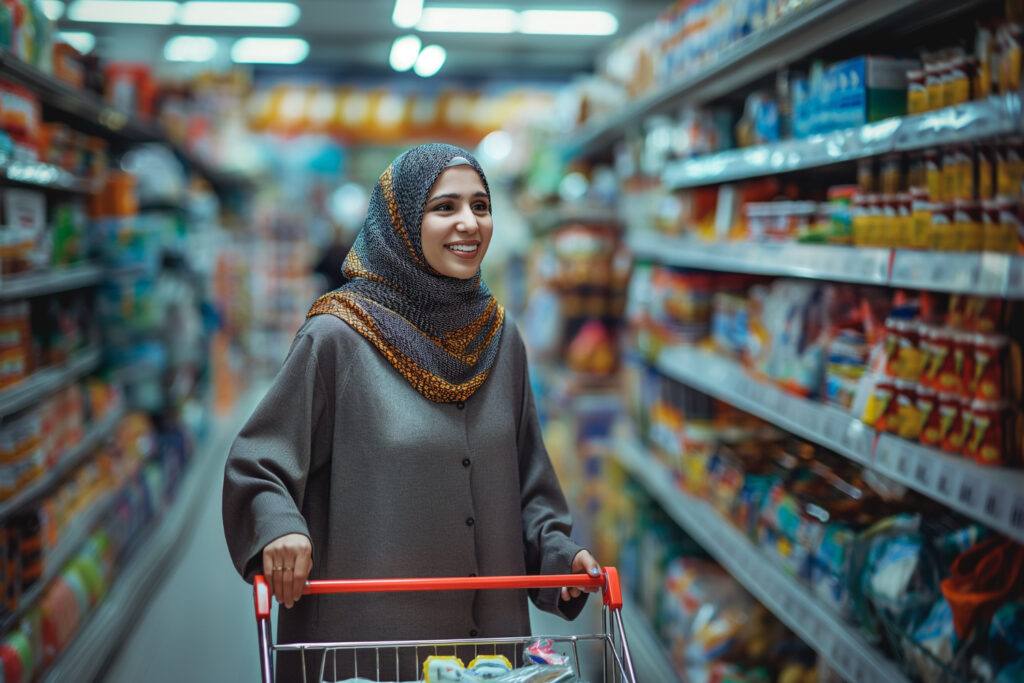
Mona’s life is layered. She scrolls TikTok, still relies on Facebook, watches TV, and increasingly uses streaming platforms like Netflix and Watch It. She shops at Carrefour, not just for groceries, but as a family outing.
“For them, Carrefour is an outing,” she said.
Outside major cities like Cairo and Alexandria, the picture changes again, with smaller stores, more fragmented retail, and different consumption rhythms shaped by geography and access.
In this environment, winning FMCG brands do not start with flashy campaigns. They start at the shelf.
“Visibility, or winning on-shelf, is a critical, critical success factor for any brand,” Engy said. “If you want to see your share, make sure that it’s happening on-shelf.”
She is clear that distribution alone is not enough. Availability gets you into the game, but shelf dominance decides whether you win it.
“Dominating the store comes from dominating the shelf and then adding extra visibility to really dominate the store.”
And then comes something many brands underestimate: education.
“Many consumers are just unaware,” she said. “We need to tell them; we need to educate them. It’s our role to propagate that story.”
Sometimes that education is surprisingly simple. Even basic nutritional truths need to be communicated clearly and repeatedly for consumers to connect the dots.
When it comes to storytelling, Engy believes the most important shift marketers need to make is moving from “brand talking to people” to “brand speaking like people.”
“Before you get to ‘brand I love’, we need to get to ‘brand close to me,’” she said. “A brand that speaks my language.”
That means tone, humor, dialect, and cultural sensitivity matter just as much as product claims.
“It is very important to capture the jokes of the Egyptians,” she said. “You are speaking my language.”
She points to past campaigns, including Dove’s ReBeauty platform, as examples of brands that succeeded because they built emotional relevance before chasing scale. She also recalls a mobile operator campaign that resonated deeply because it felt honest, local, and rooted in everyday reality rather than polished exaggeration.
In her view, timing and context also matter. Ramadan, for example, is not just a marketing season. It is a cultural and emotional rhythm that shapes consumption across categories.
“Ramadan is a beautiful season,” she said. “We wait for it year on year because, before anything, it brings out our resilience and the best in my company.”
But she also warns that execution matters more than spending.
“It could be the best quality product. It could be your space on the shelf. It could be making sure that you’re not out of stock in a very important season for the consumer.”
Finally, she returns to a theme that runs through everything: discipline.
“The biggest thing that marketers miss is understanding the numbers,” she said. “We are really business owners. You are the brand manager for that piece of the business. You own that business.”
For Engy, creativity is not separate from commercial reality. It is built on it.
“We miss so much when we don’t look at the data enough.”
In Egypt’s FMCG market, that balance is everything. Understand the consumer deeply, respect the shelf, stay close to culture, and never lose sight of the numbers. That, more than anything, is what defines winning.