Fred Roberto, Executive Creative Director at TBWA, explains why the most powerful creative ideas in CPG today are the ones engineered to stretch, sell, and survive scrutiny across every channel and market.
‘Nice ads’ no longer guarantee budgets. In the GCC today, what makes a creative idea not just memorable, but fundable for CPG brands?
Let’s get it straight: we’ve all made beautiful films. We’ve all cried at the edit. That doesn’t unlock the budget anymore. What gets funded is when a creative idea clearly solves a business problem (and not just that particular briefing task), when it helps a CPG brand grow penetration, defend margin, win in retail, or show up differently in a crowded category. The work has to create a shift in behavior, in perception, and in how the brand operates. If an idea can only live as a film, it’s already in trouble. But if it naturally stretches into social and its creators, in-store, packaging, promos, and still makes sense, then suddenly the CFO is listening. In cluttered categories, a great campaign idea has the power to reframe how that category works whilst giving the brand a new role in people’s lives. That’s what makes creativity fundable these days.
CMOs demand measurable results from creative work. How do you balance cultural relevance, storytelling, and short-term performance metrics when creating campaigns for FMCG brands?
I think we’ve finally stopped pretending that storytelling and performance sit on opposite sides of the table. They don’t. Emotion is what earns attention. Culture is what makes it relevant. Performance is what keeps the lights on. And in FMCG especially, emotional storytelling isn’t a luxury; it’s what makes everything else work harder. The trick is designing the story first, then deliberately breaking it into performance-ready pieces. A long-form film builds meaning, while short-form, creator content, and retail moments drive action. Same idea, different jobs. The mistake brands make is judging emotional work by short-term metrics. The smarter play is creating emotional ideas that are built to convert, not just to be admired.
Short-form video, creator-led commerce, and influencer marketing are booming. How are these new content and commerce ecosystems shaping which campaigns get funded?
What’s really changed is that campaigns aren’t the hero anymore. Ecosystems are. Short-form video and creators have completely shifted what gets funded because they’ve changed where power sits. Creators aren’t just media now; they’re distribution, credibility, and, often, the point of sale. So the ideas that win budgets today are the ones that are native to how creators actually behave, not overly scripted brand moments. In this day and age, my core responsibility as a creative lead is to design the idea so creators can finish it, reinterpret it, and carry it forward. Brands that understand this stop chasing trends and start building formats that can live, evolve, and sell over time. That’s what it means to be “audience-first”.
KSA, the UAE, and Qatar each have unique cultures and consumer behaviors. How do you adapt creative strategies across these markets while ensuring accountability and ROI?
This is where discipline really matters. The idea has to stay consistent, but the execution absolutely doesn’t have to. Saudi Arabia responds to storytelling that respects values, ambition, and social momentum—work that feels aligned with progress and pride. The UAE is fast, multicultural, and trend-aware, so modularity and speed are everything. Qatar is more considered, more premium, and more community-driven, so restraint and craft go further than noise. Designing a campaign for the GCC definitely doesn’t mean a one-size-fits-all approach; it means starting from the same strategic tension, then letting culture dictate how it shows up. ROI comes from shared objectives, but locally tuned levers.
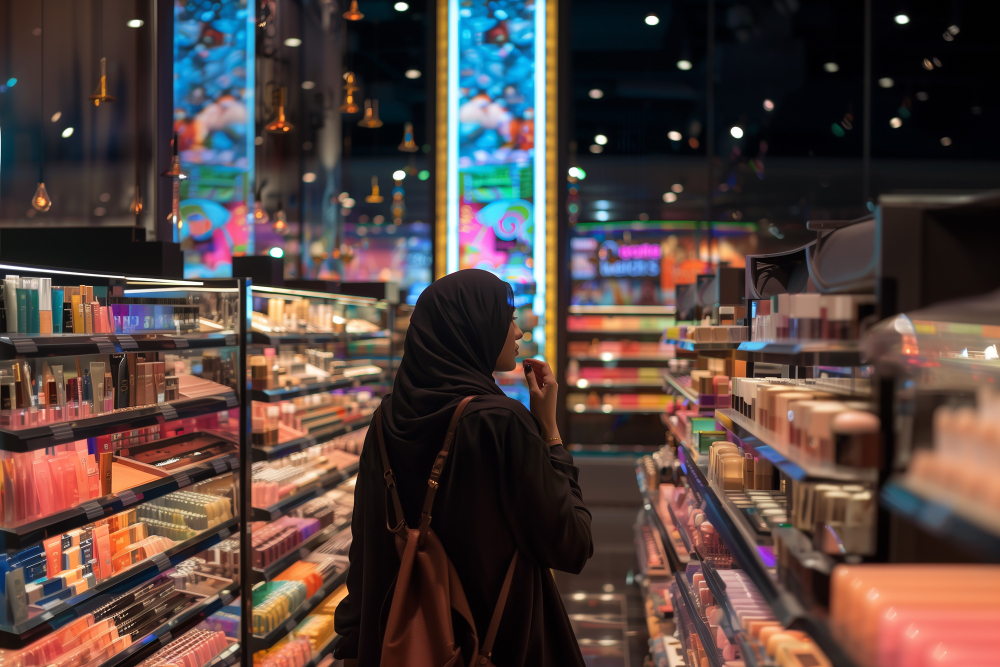
Research by McKinsey shows 74% of consumers discover new CPG products via social media. How should brands leverage culture as the new distribution channel and content as the new commerce engine to drive both engagement and sales?
If culture is the new distribution channel, then brands have to stop interrupting it and start moving through it. The brands winning today aren’t buying attention; they’re earning participation. They create ideas people want to share, remix, and buy into because it feels like culture, not advertising. Social platforms aren’t just media anymore; they’re marketplaces of meaning. Content doesn’t just tell stories—it sells, if it’s designed properly. Future CPG brands in the GCC will behave less like traditional advertisers and more like cultural signals that just happen to have a product attached. Because today, reach isn’t something you buy; it’s something culture gives you permission to have.