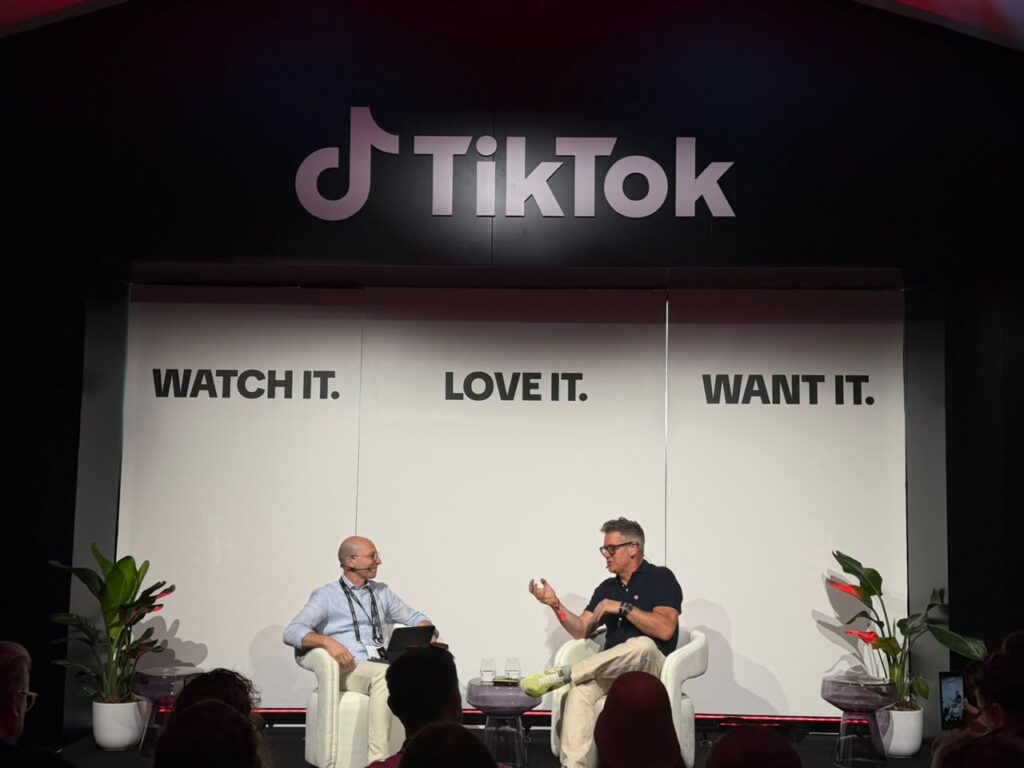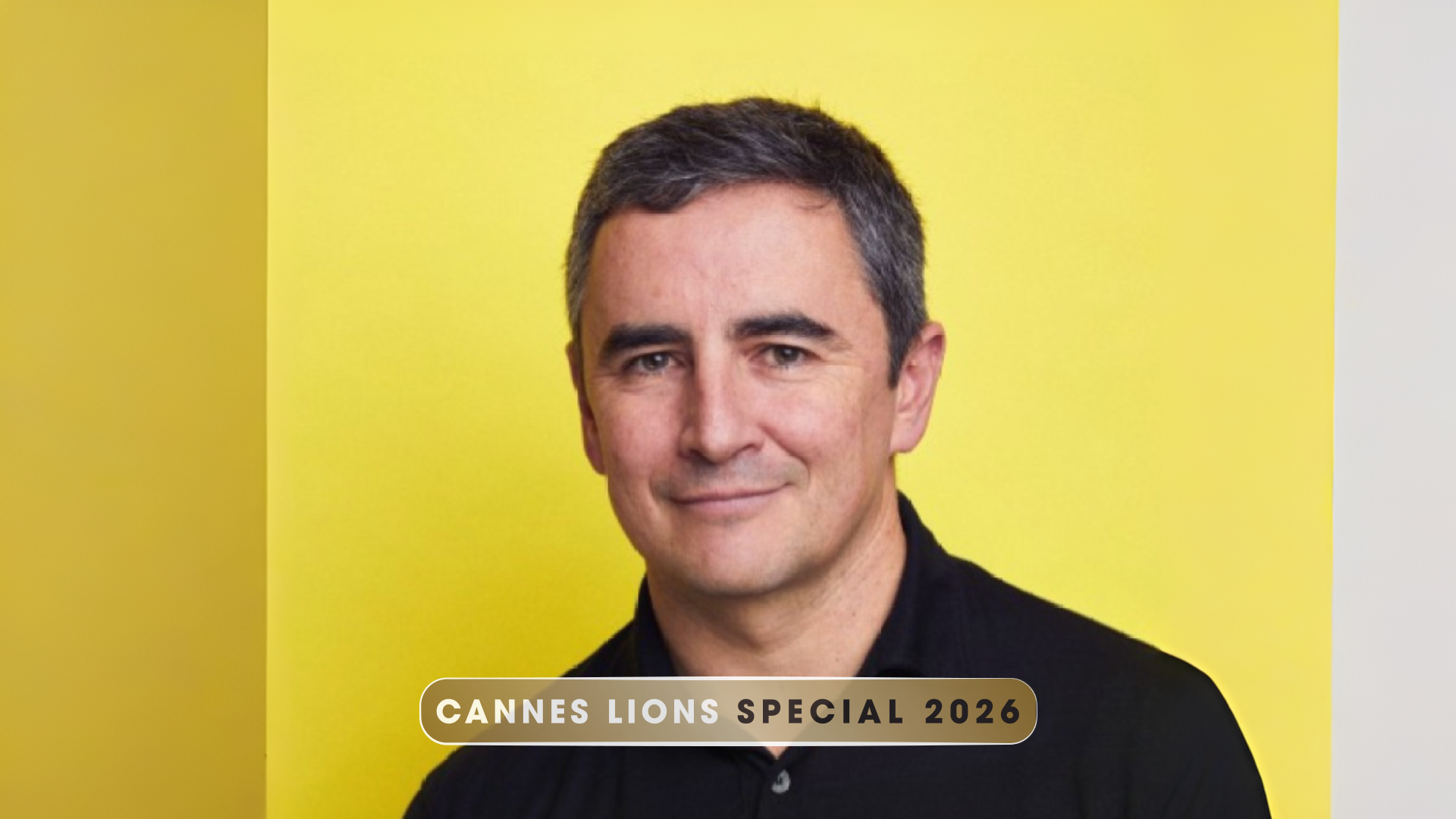
In an interview with Communicate at Cannes Lions, Ronan Harris, Snap’s EMEA President, outlined a major shift he believes is redefining the future of digital marketing. He described what he calls a “social media reset,” where audiences are increasingly moving away from public broadcast platforms toward smaller, more private spaces of communication. Harris argued that this change demands a fundamental rethink of how brands measure success, shifting from attention-based metrics to long-term connection and relationship-building. He also highlighted Snapchat’s Sponsored Snaps format and its early performance signals as evidence of this evolving advertising model.
Day one. What are some of the key themes you see shaping the discussions in 2026 and beyond?
We’re talking a lot about research we’ve just launched today, and I think it’s becoming a much bigger conversation in the industry. It’s around what we’re calling the social media reset, where we now have really strong data that shows people are moving away from broad public communications about the things that matter to them in life and towards more intimate, private communication with smaller circles of friends.
That’s a human shift that’s easy to understand. But the implications for brands and marketers—how they reshape their go-to-market strategy, messaging strategy, and activation strategy—I think that’s going to be a big conversation.
Reset velocity suggests audiences are moving to private, participatory spaces over broadcast, but Cannes plans are still built on reach and CPMs. What hard data can Snapchat show advertisers today?
If you’re a marketer or a CMO, you want to be able to see the fruits of your labour. Being able to see a billboard or a TV spot, or track reach and frequency and likes, has long been the way the industry works.
But now we’re seeing brands move into private spaces—conversations happening between individuals and their five or ten closest friends. And as a brand or marketer, you can’t see that directly.
What we can show through our research is that people prefer private communication with friends, and they also prefer private communication when interacting with brands. What’s also happening is that when a brand shows up in a human way and creates a moment of connection, that conversation often continues privately among friends.
We now have research that evidences this. While it’s harder to measure in the short term through likes or immediate signals, it’s much easier to measure over the medium term through key brand metrics—loyalty, action, and ultimately driving people to buy products or visit stores. That’s what we’re focused on.
If attention is dead, what is the one marketing rule you’re telling clients to kill from 2025 onwards—and what should replace it?
It has to move from attention to connection. The question is: can you create a conversation with your consumer that continues within their social circle, so your brand exists beyond the immediate piece of content you’ve pushed out?
And then, how do you continue and nurture that conversation over time?
That’s what shifts you from a reaction to a brand and its content, to a relationship with the brand and its products and services. That’s what brand owners should be striving towards—building relationships, not just momentary connections.
What will be unique about this approach in the EMEA region?
I don’t think it’s specific to EMEA—this is global. The move away from performative content that is purely about reach and likes is something the entire industry has to recognise.
That said, I think in EMEA there’s a certain comfort with conversation and letting it run. We’re good talkers in this part of the world—we like getting together with friends and family and discussing experiences, content, or new brand drops. We enjoy creating emotion and conversation around them.
In many ways, we’re also home to luxury, and luxury brands have probably figured this out better than most. I think other industries can learn from that.
What Snapchat product or ad format are you betting on here?
The big launch for us over the last year has been Sponsored Snaps. These are new ad formats that appear within the chat experience on Snapchat.
Chat is the primary reason people come to Snapchat—it’s to connect with family and friends. Since inception, it’s been free of advertising, but we’ve now developed a format that our community is very responsive to. They find it additive, not intrusive.
From a brand marketer’s perspective, that creates a safe environment. We’ve launched in several new markets in Europe and are seeing open rates in excess of 25% on most campaigns—that’s very strong from any marketer’s perspective.
These formats can open into full-screen video, interactive experiences, or drive actions like visiting a store via Snap Map, or engaging with a brand through lenses. These are experiences unique to Snap, and they’re delivering strong brand impact over time.
Final question—there are many CMOs here today. What is your message to them?
My message is: recognise that people are tired of the performative media we’ve all been pushing over the last decade.
They want experiences that feel more human and authentic. They want to interact with brands on a personal level, and they also want the ability to connect in private ways—not everything needs to be on a public platform that is tracked and followed.
We’re enabling that through the new formats on Snap. And what we’re seeing is that brand owners who use multiple Snap formats are achieving brand impact metrics that are 30%+ higher than other platforms. It’s really working.
Watch the full video here: